
The Story
Why it exists.
The beginning
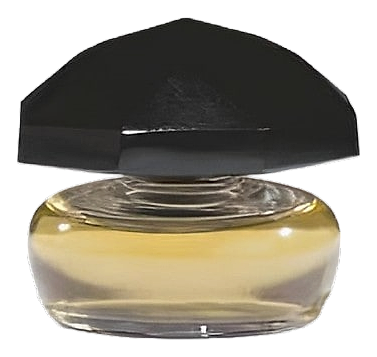
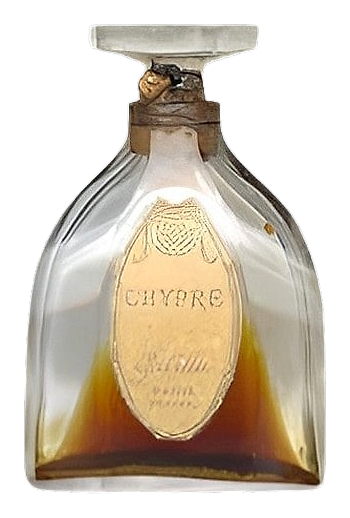
Henriette Gabilla named this one simply, and that was the point. Chypre by Gabilla arrived in 1924, during a decade when the Parisian perfume world was still finding its modern vocabulary. Coty's 1917 chypre had already done much to popularize the accord, and perfumers everywhere were interpreting what the structure could mean. Gabilla approached the category in a way that set her apart from the louder declarations of her contemporaries. She had been composing for years, building a catalogue one careful release at a time, and Chypre followed that measured pace. It was never meant to be the most dramatic interpretation of the accord on the shelf. It was meant to be the one that listened to you first, that earned its presence on skin rather than demanding it from across a room.
What makes this composition worth attention is the timing and the restraint of its construction. By 1924, the chypre accord was no longer new, but it was still being written into its mature form. Bergamot openings, floral hearts, oakmoss-and-patchouli bases, the architecture was known. The skill lay in proportion, in the weight given to each layer and the handoff between them. Chypre by Gabilla handles those handoffs with notable care.
The evolution
The first twenty minutes belong to the citrus. Bergamot opens sharp and clean, announcing the chypre structure early, not as a single note but as a framework: something bright giving way to something bitter giving way to something warm. You feel the architecture before you can name it. By the end of the first hour, the florals arrive, and they don't compete with the opening so much as answer it. The heart feels deliberate, unhurried, the kind of floralcy that reads as memory rather than statement. There is a softness to the way the petals seem to unfold against the lingering citrus, a gentle negotiation between brightness and depth that keeps the composition alive on the skin. The drydown is where this earns its reputation. Oakmoss and the warm, resinous weight of the base settle in and stay, grounding the entire composition in that bitter-green undertone that defines the chypre family.
Cultural impact
Chypre fragrances carry a specific cultural weight. The accord takes its name from Cyprus and traces its modern popularity to Coty's 1917 release, which introduced the structure to a wide audience and set the template for decades of interpretation. Gabilla's 1924 contribution sits within that lineage, a deliberate entry from a perfumer who valued restraint over volume. For collectors, Chypre by Gabilla belongs in the conversation about early 20th-century chypre work, a moment when the accord was still being defined and refined by multiple houses at once.
The House
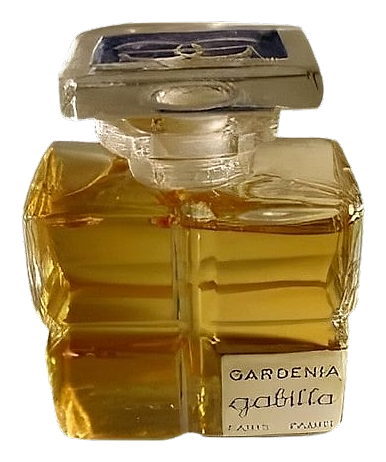
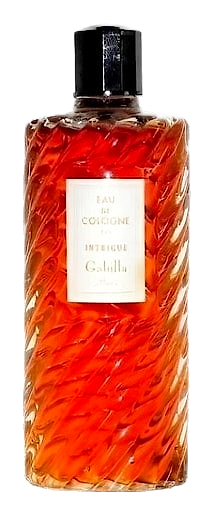
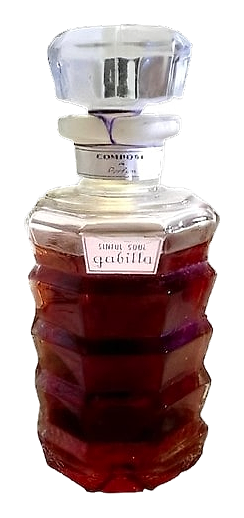
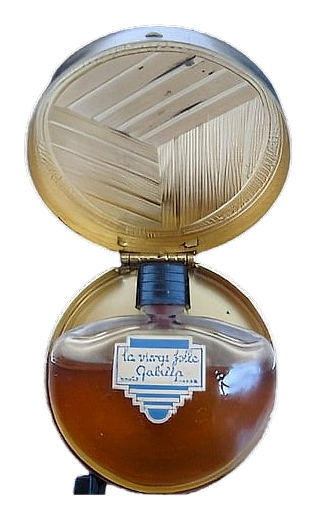
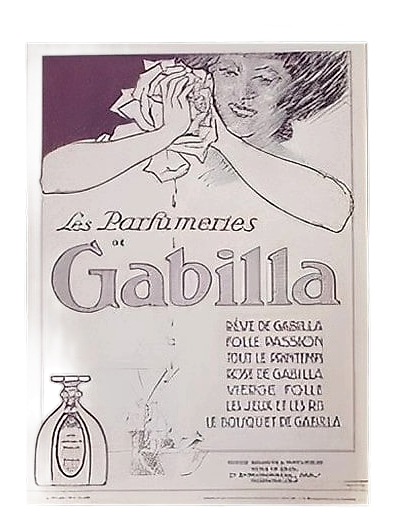
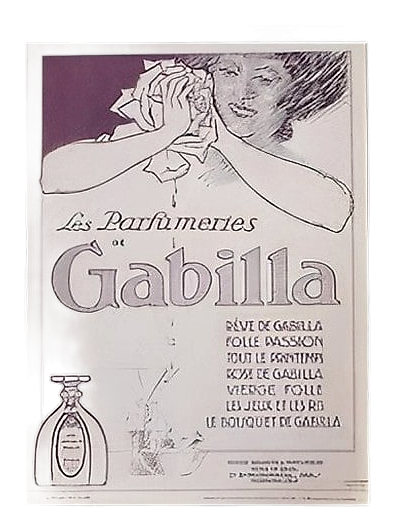
GabillaGabilla is a Parisian perfume house founded in 1910 by Madame Henriette Gabilla, a Syrian‑born pioneer who began blending scents in the late 1880s. Over five decades the atelier released more than eighty fragrances, many of which bear the year of their launch in their title. The brand’s catalogue reads like a chronicle of early‑20th‑century French perfume, with classics such as Violette (1912), Lilas (1922) and La Vierge Folle (1929) still cited by collectors. Gabilla’s legacy rests on a quiet confidence: a modest boutique on rue Edouard VII, a steady output of refined compositions, and a reputation built on craftsmanship rather than flash.
The Creator
Henriette GabillaGabilla favored layered constructions that unfolded over time. She began with a clear, luminous top, often built from citrus or green notes, then introduced a heart of rose, jasmine, or oud that lingered like a whispered secret.