The Story
Why it exists.
The beginning
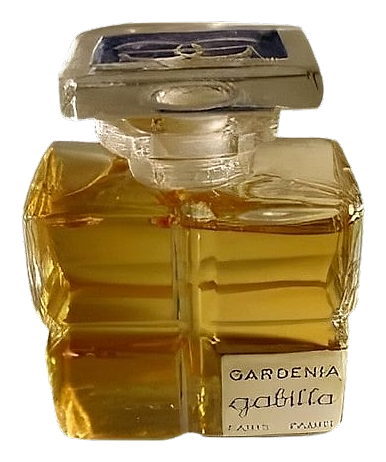
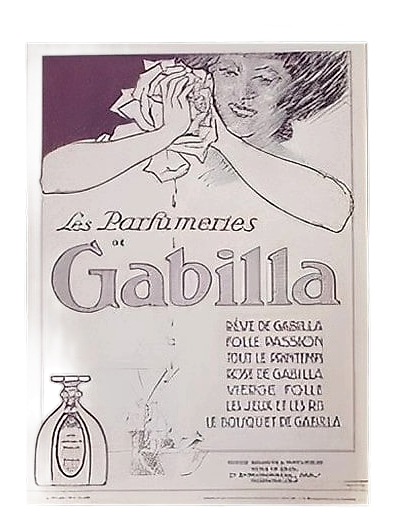
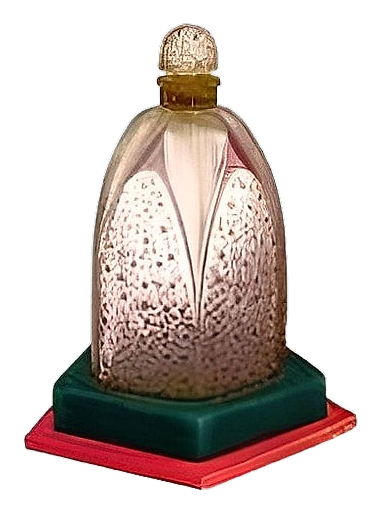
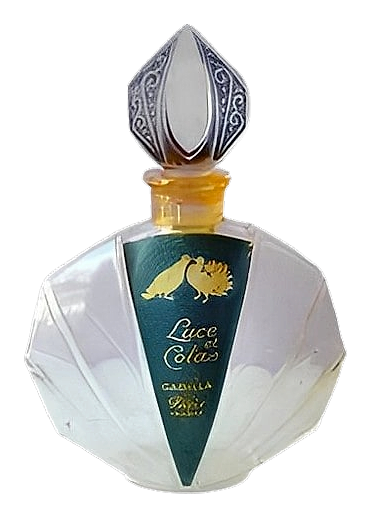
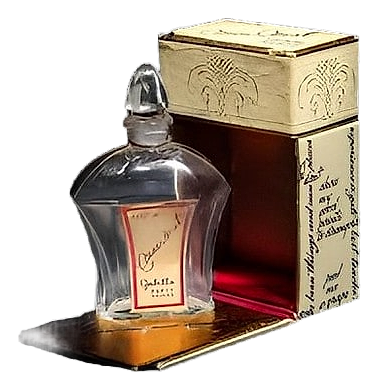
Xantho is a 1926 composition from the house of Gabilla, a name attached to a long and varied archive of numbered releases. The catalogue carries its own internal logic, each entry a small studied gesture, and Xantho takes its place within that lineage. It is a composition built around white magnolia and the bright snap of citrus, two materials handled with a light touch rather than a heavy hand. The name itself feels deliberate, classical in register without being showy, carrying a weight that suggests the creators wanted to evoke something specific yet leave room for interpretation. That duality is what gives the fragrance its particular character. There's a sense of refinement throughout, an attention to how materials sit against one another rather than competing for attention.
What makes Xantho quietly distinctive is the restraint of its structure. The composition keeps its palette narrow and focused, never straying into excess. White magnolia anchors the piece, a creamy floral presence that provides the main body of the scent. The citrus elements lift and brighten rather than dominating, offering a clean counterpoint that keeps the magnolia from becoming too dense or heavy.
The evolution
Xantho opens with a bright burst of citrus, the kind of clean shimmer that announces itself clearly before it begins to settle. White magnolia arrives in the early stages, creamy and slightly waxy, with that camphorous edge the flower gives when it isn't forced into sweetness. The tea note makes its presence felt early on, not so much a flavor as a dryness, a tannic weight that keeps the florals from getting syrupy. As the composition develops, the magnolia thins and what remains is mostly that tea, slightly woody, slightly haylike, and surprisingly long-lived for a composition this airy. The interplay between the magnolia's waxy creaminess and the tea's dry, almost grainy quality creates a tension that holds the fragrance together. On skin, the scent moves through phases, each one revealing a different facet of the materials.
Cultural impact
Xantho sits inside Gabilla's archive as one of the house's quieter entries, a composition that doesn't announce itself with fanfare but rewards those who seek it out. It's the kind of fragrance that collectors find tucked away in old catalogues or dusty shop inventories, and once discovered, it tends to stay in memory. There's something particular about its restraint, the way it holds back where others might push forward, that gives it a lasting appeal. It doesn't try to impress with sheer presence or overwhelming projection. Instead, it operates on a different register, closer to a whispered confidence than a bold statement.