The Story
Why it exists.
The beginning
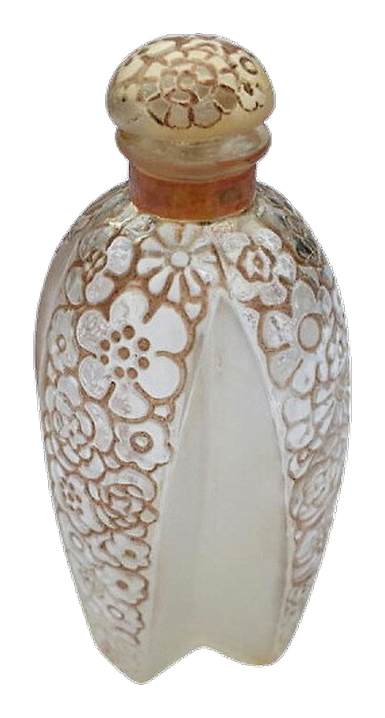
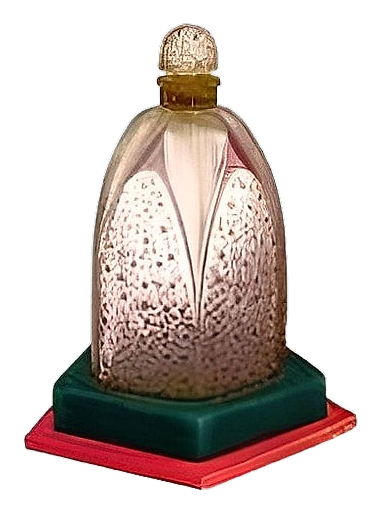
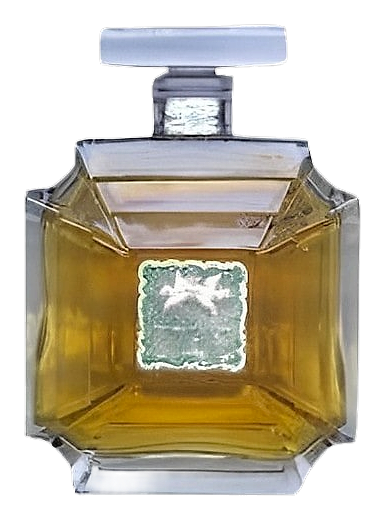
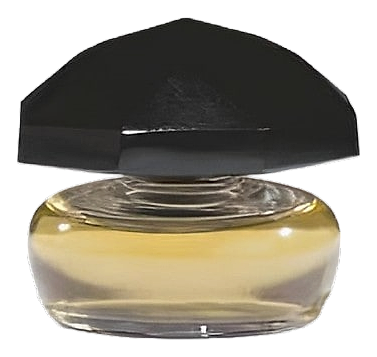
Tout le Printemps arrived in 1912, and the name itself tells you most of what you need to know about its ambition. In French, it means "all of spring," and the fragrance sets out to bottle not a single flower but the full sweep of a season, that compressed, fleeting moment when a garden seems to hold every green shoot and petal at once. It was among the earliest launches from a house shaped by the perfumer known as Gabilla, a figure whose exact origins and training remain undocumented but whose name is attached to a body of work that extends well beyond this single composition. Tout le Printemps stands as a kind of opening statement, a declaration of intent from someone who clearly believed a perfume could function as a vessel for an impression rather than a display.
What's preserved is the impression: a beautiful, luminous violet, citrusy and dry. That combination is harder to land than it sounds, because the violet note itself is slippery, capable of sliding toward candy-sweet on one side or retreating into soapy austerity on the other, and pulling off both ends at once requires a particular kind of restraint. Tout le Printemps reads as a study in that tension, a composition that seems to know exactly how far to push the sweetness before the citrus intervenes and tugs the whole thing back into the air.
The evolution
On skin, Tout le Printemps opens with that luminous violet and citrus snap, bright and immediate, the kind of accord that registers before you've even lifted your wrist to your nose. The violet reads sweet at first, almost candied, before the citrus pulls it taut, and the whole composition begins a slow descent from effervescence into something more grounded and mineral. As the minutes pass, the candied edge softens, and the violet settles into a quieter, more powdery register, less fruit and more flower, the kind of accord that feels less like wearing a perfume and more like recalling one. The drydown is where this composition earns its reputation. What lingers is a soft, warm violet skin scent, intimate and close, the kind of trail that follows you into a room rather than announcing you at the door.
Cultural impact
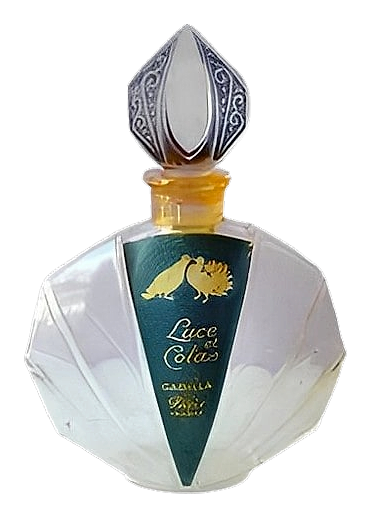
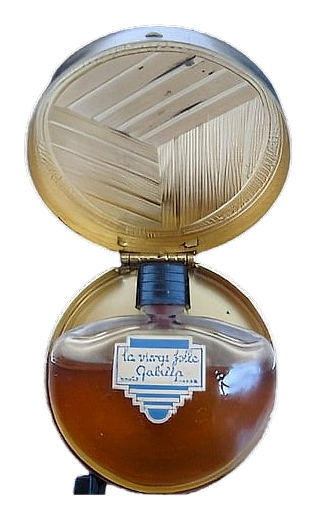
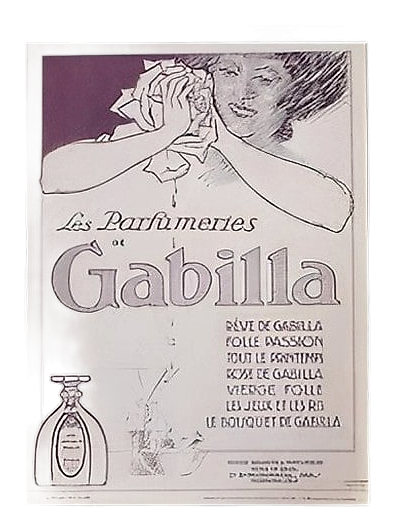
Tout le Printemps is now a piece of perfume history rather than a current presence, its discontinuation placing it firmly in the category of compositions that can be studied but not worn. The fragrance is part of a larger Gabilla catalogue that also includes Violette, Lilas, and La Vierge Folle among other named works, and that catalogue as a whole has come to be read as a chronicle of an approach to perfumery that valued quietude over projection.
The House
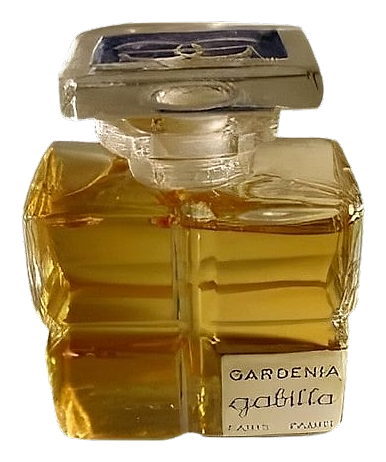
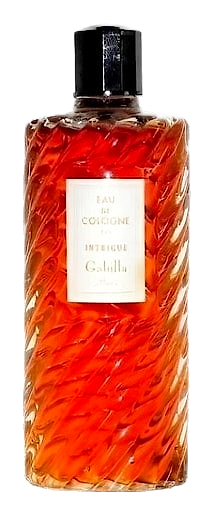
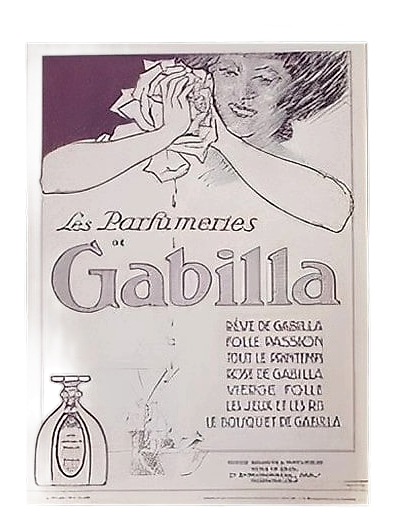
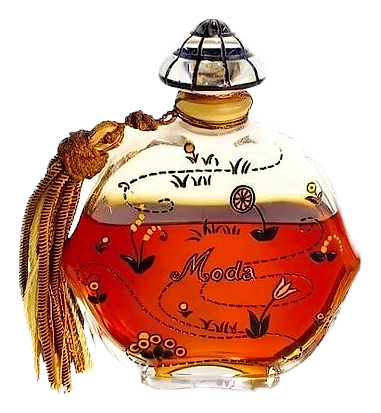
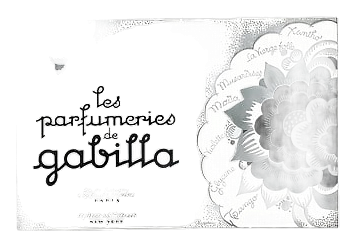
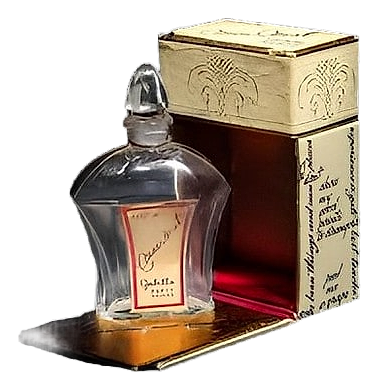
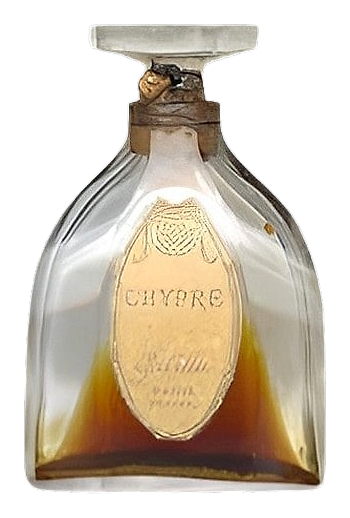
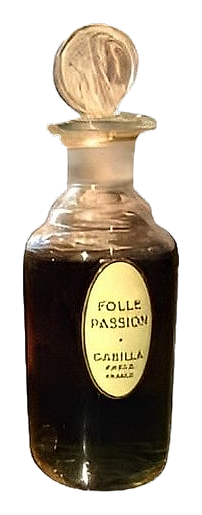
GabillaGabilla is a Parisian perfume house founded in 1910 by Madame Henriette Gabilla, a Syrian‑born pioneer who began blending scents in the late 1880s. Over five decades the atelier released more than eighty fragrances, many of which bear the year of their launch in their title. The brand’s catalogue reads like a chronicle of early‑20th‑century French perfume, with classics such as Violette (1912), Lilas (1922) and La Vierge Folle (1929) still cited by collectors. Gabilla’s legacy rests on a quiet confidence: a modest boutique on rue Edouard VII, a steady output of refined compositions, and a reputation built on craftsmanship rather than flash.
The Creator
Henriette GabillaGabilla favored layered constructions that unfolded over time. She began with a clear, luminous top, often built from citrus or green notes, then introduced a heart of rose, jasmine, or oud that lingered like a whispered secret.