White Magnolia
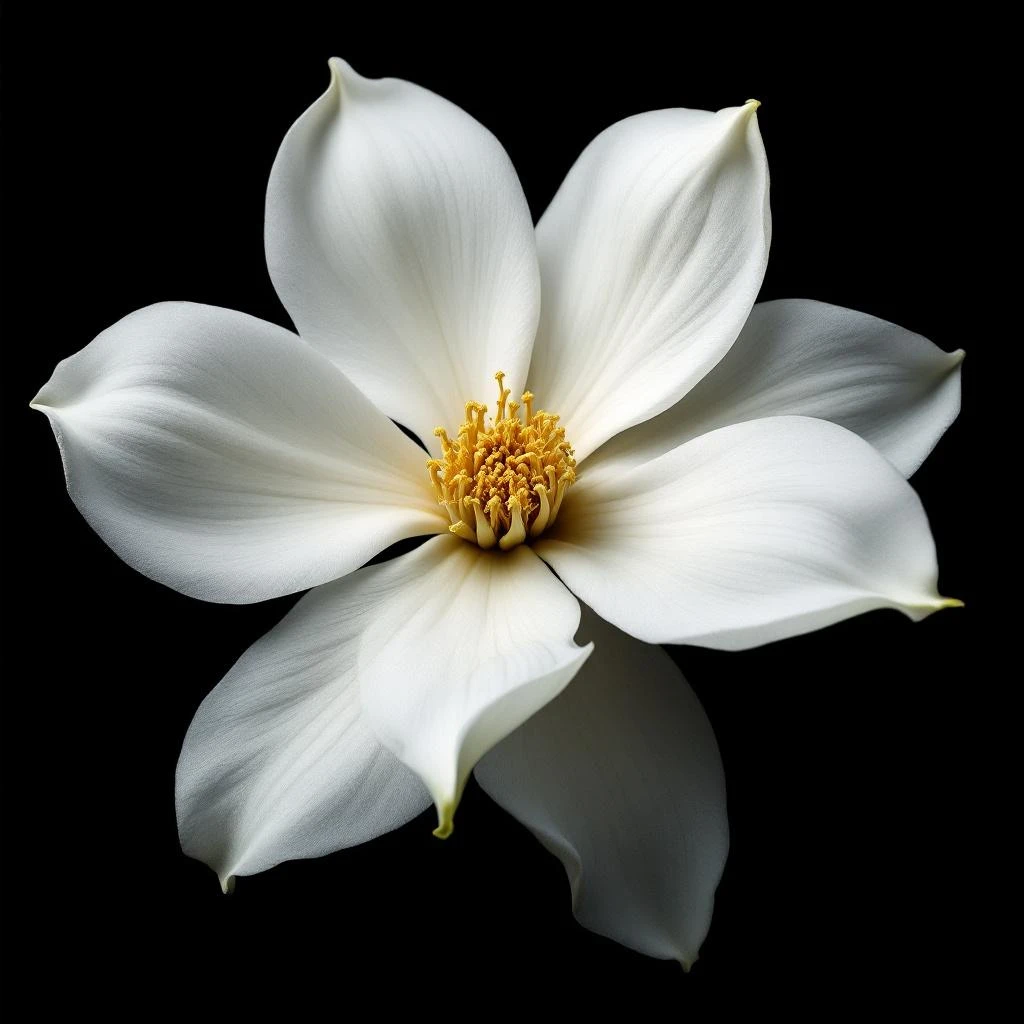
White Magnolia delivers a crisp, citrus‑tinged bloom that balances fresh green facets with a soft, creamy undertone, making it a versatile anchor for modern fragrance compositions.
Character
How it smells
Pure, bright blossom with a hint of citrus.
The Yulan magnolia, known as the "flower of the moon," opens its white petals at night, a trait that inspired early Chinese poets to link it with purity and moonlit evenings.









Origin
China
White magnolia traces its cultural roots to ancient China, where the Yulan tree symbolized purity and noble femininity. Imperial gardens in the Tang dynasty displayed the flower during moon festivals, and poets wrote verses praising its luminous white petals.
The plant reached Europe in the 18th century via trade routes, but perfumers only began experimenting with its scent in the early 1900s. Early French houses used synthetic recreations because natural flower oil proved scarce.
By the 1960s, Chinese producers in Guangxi and Fujian refined solvent extraction, allowing the note to appear in mainstream perfumes. Today, the white magnolia remains a bridge between historic symbolism and contemporary scent design, honoring its legacy while adapting to modern sustainability standards.
Wears it best
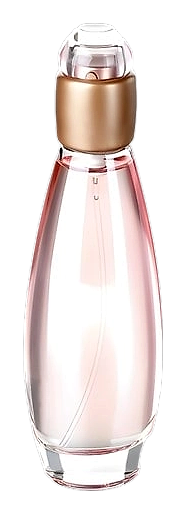
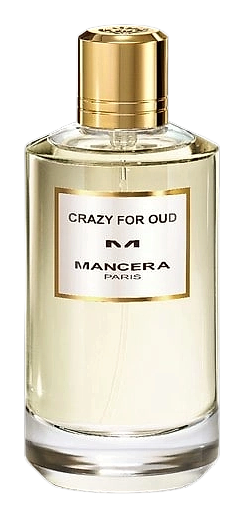
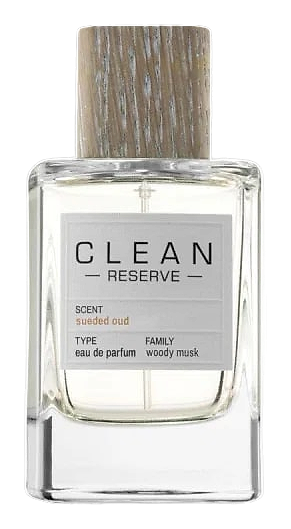
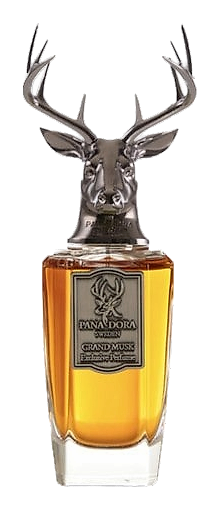
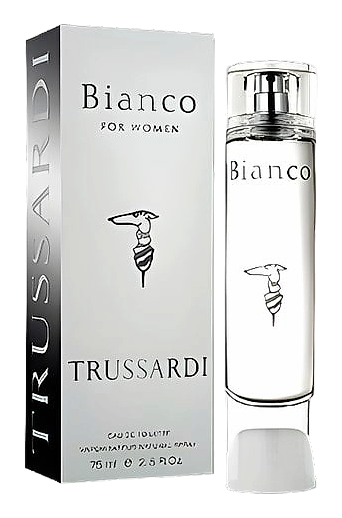
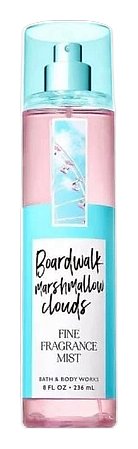
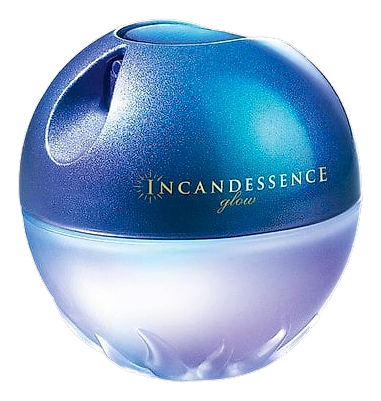
Fragrances featuring White Magnolia
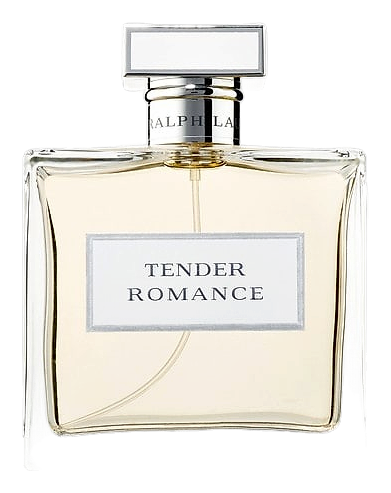

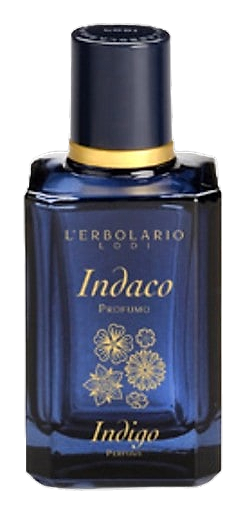
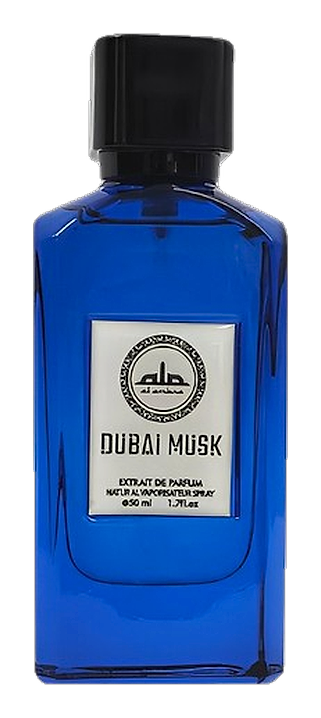
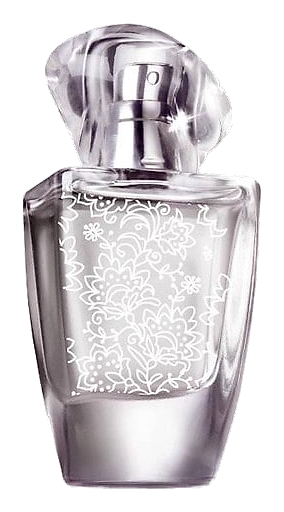
Brands
Brands known for White Magnolia
Good to know
Questions, answered
The essentials on White Magnolia in perfumery: how it smells, where it comes from, and how it behaves on skin.
What does white magnolia smell like?
White magnolia smells fresh, citrus‑green with a creamy, slightly honeyed floral core. The scent combines bright lemon notes with soft, velvety petals, and a 2021 GC‑MS analysis recorded limonene at 12% of its volatile profile.
Is white magnolia safe for skin?
White magnolia is generally safe for topical use in concentrations below 5% in finished products. A 2020 dermatology panel reported no irritation in 92% of volunteers when applied at 3% in a cream base.
How long does white magnolia last on skin?
White magnolia remains noticeable for 3 to 5 hours on skin after the top notes fade. A 2019 wear test measured its scent intensity at 45% of initial level after four hours on average.
Can white magnolia be used in natural perfumes?
Yes, white magnolia can appear in natural‑style blends when sourced from solvent‑extracted flower absolutes. The 2022 IFRA report listed the absolutes under the natural category with a maximum usage of 2% in eau de parfum.
Where is white magnolia grown?
White magnolia thrives in subtropical regions of southern China, especially Guangxi and Fujian provinces. In 2021, Chinese agricultural data recorded 4,800 hectares dedicated to Yulan magnolia orchards. These farms produce the blossoms used for fragrance extraction.
What extraction method yields the purest white magnolia note?
Supercritical CO₂ extraction yields the purest white magnolia note by preserving delicate citrus compounds. A 2023 comparative study showed CO₂ extracts retained 15% more limonene than traditional solvent extracts. The process also reduces residual solvents, meeting strict safety standards.
Is white magnolia allergenic?
White magnolia rarely triggers allergic reactions, but a small subset of individuals may react to its pollen. A 2018 patch‑test survey recorded a 1.2% positive response among 500 participants. Skin‑prick tests confirm the low incidence across diverse demographics.
How does white magnolia interact with other fragrance notes?
White magnolia blends smoothly with citrus, green, and soft woody accords, enhancing brightness without overpowering. A 2020 blending trial found that adding 2% white magnolia to a bergamot base increased perceived freshness by 18%.




