The Story
Why it exists.
The beginning
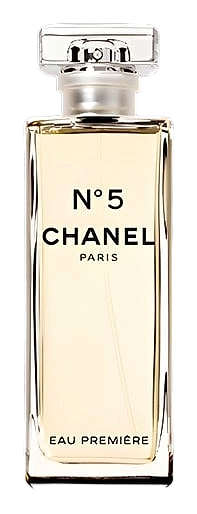
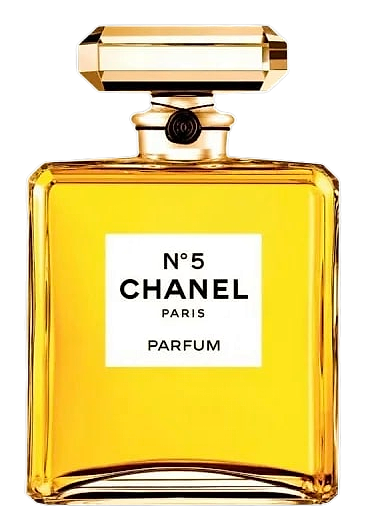
In 1921, Coco Chanel asked Ernest Beaux for something unprecedented: a fragrance that smelled like a woman, not a flower. Beaux delivered N°5, a composition built around aldehydes used at a concentration no one had attempted before. The story goes that Beaux's assistant accidentally doubled the aldehyde dose. Beaux kept it. That 'mistake' became the most famous fragrance ever made. The aldehydes don't just amplify the florals, they transform them into something abstract, almost architectural, sitting above the skin like a signature rather than a scent.
The aldehyde complex Beaux used, C-10/C-11/C-12, wasn't entirely new. He'd borrowed the technique from Houbigant's Quelques Fleurs. What was revolutionary was the concentration. In Houbigant, aldehydes made florals appear more natural and bright. In N°5, they became the point. A recognizable, standalone note that shaped the entire composition. That structural choice, using synthetic materials not to imitate nature but to create something new, separated modern perfumery from everything before it. Jasmine and May rose don't smell like a garden here. They smell like the idea of a garden, filtered through something waxy and luminous and completely their own.
The evolution
The opening is aldehydes, sharp, sparkling, almost metallic. That immediate clarity is the signature. Within minutes, bergamot and lemon add brightness before the florals arrive. But the jasmine and rose don't behave like a bouquet. Under the aldehydes, they become abstract, powdery, waxy, blended into something that reads as concept rather than literal flower. The iris deepens this effect, adding a violet-petal softness that keeps the heart from ever feeling girlish. Hours in, the base takes over. Sandalwood and vanilla create warmth, but the civet and musk add something animalic and grounded. This is where N°5 stops being a fragrance and starts being skin. Vetiver and moss anchor it all, earthy, lasting, impossible to wash off. 8-10 hours. Strong sillage. And that drydown, the one that stays close, warm, intimate, that's what people remember.
Cultural impact
N°5 didn't just launch a fragrance, it launched a genre. The aldehydic-floral structure became the template for luxury perfumery throughout the 20th century. Every abstract, aldehyde-forward fragrance that followed exists in its shadow. A century on, it's still the reference point. Still the one everyone measures themselves against.