
The Story
Why it exists.
The beginning
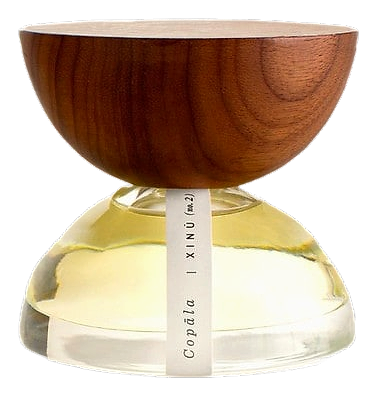
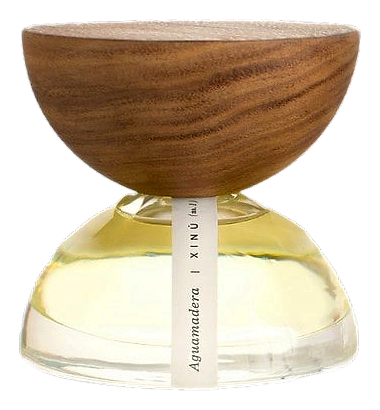
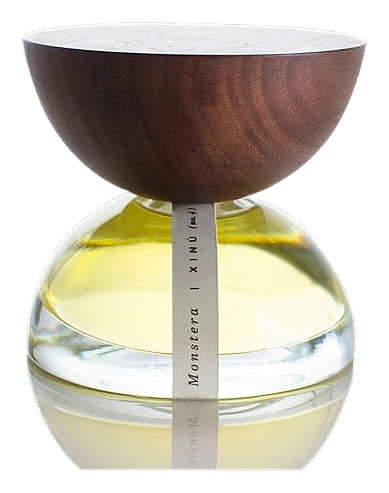
Monstera takes its name directly from the same plant that inspired it, a choice that says everything about the fragrance's intentions. It belongs to the Xinú collection, and it was launched in 2017. The composition came together under the hand of Rodrigo Flores-Roux, a perfumer with a reputation for working in close collaboration with the natural world. Where many green fragrances settle for generic impressions of foliage, Monstera starts from the plant itself and builds outward from there. The formula layers Datura alongside the Torito orchid, two botanicals seldom found in mainstream fragrance work, set against a base of damp moss and woods. The resulting composition is dense, humid, and unmistakably rooted in something real.
Xochinacastle, Datura, and the Torito orchid form the unusual floral spine of the composition, and each behaves differently on skin. Datura opens with that narcotic sweetness, a quality that many find startling on first encounter precisely because it doesn't behave like a conventional white floral. There is nothing powdery or clean about it. The Torito orchid sits beside the Datura and adds its own magnetic pull, catching the mid-phase with a sweetness that reads almost like warm honey dissolving into vapor.
The evolution
The first minutes belong almost entirely to green, crushed monstera leaf, the mineral cool of damp earth, a slight bitterness from moss underfoot. There is no citrus opening, no sparkle. Just vegetation. Within 15 to 20 minutes, the Datura and Torito orchid emerge through the canopy, pushing a creamy white floral sweetness that softens the green without replacing it. The monstera fruit begins to register, contributing a faint tropical sweetness that bridges flower and earth. By the two-hour mark, the composition has settled into its drydown: moss-dusted wood, a trace of the honeyed orchid still clinging, and the faint sweetness of fruit left in a bowl. The green never fully disappears. It recedes just enough to let the florals breathe, then returns in the late drydown as a damp, vegetal whisper that clings close to the skin.
Cultural impact
Monstera arrives at a moment when fragrance lovers are actively seeking compositions that refuse to flatten their source materials into generic categories. It offers an alternative to the bright, synthetic greens that dominate so much modern fragrance, presenting instead a dense, humid, deeply textured botanical experience. Wearers tend to describe it as something that demands attention rather than fades politely into the background, a fragrance that rewards close wearing and repeated exploration.