The Story
Why it exists.
The beginning
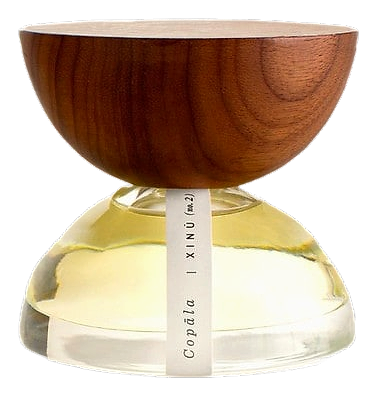
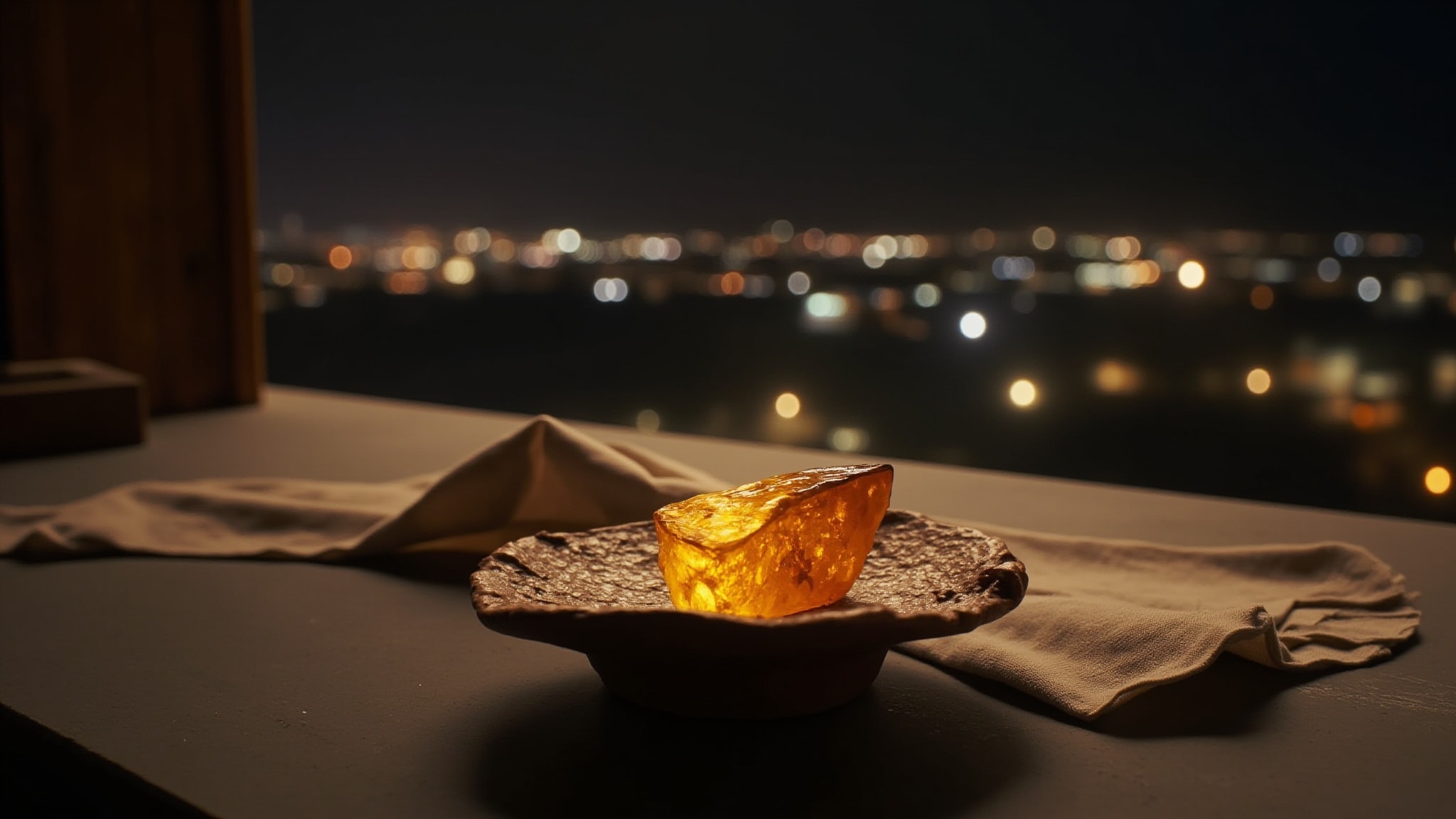
Copala takes its name from the legendary copal resin, used in Mexican rituals and spiritual practices for centuries. Rodrigo Flores-Roux, a master perfumer with deep knowledge of Mexican botanicals, wanted to capture the mystical quality of this ancient material in wearable form. The result bridges old-world ceremony with contemporary perfumery, a scent that carries weight without being heavy.
What makes Copala interesting is its restraint. Copal resin can easily tip into smoke and darkness, but here it's softened by Mexican vanilla, not the thick Bourbon kind, but something subtler, almost powdery. The pink pepper isn't a fleeting top note either. It lingers, sharp and warm, keeping the sweetness honest. The mesquite wood doesn't burn, it grounds, like the moment incense settles after you've bowed your head.
The evolution
The pink pepper opens bright and sharp, that clean spice that catches attention without shouting. Give it twenty minutes. The copal arrives warm and resinous, joined by vanilla that softens the edges without diluting them. The mesquite wood begins to show itself, smoky but restrained, keeping everything grounded. By hour two, you're in the heart of it, warm, intimate, close to the skin. The drydown stretches another two to three hours, a powdery vanilla and copal that fades slowly, leaving just enough of a trace to remind you it was there.
Cultural impact
Copala occupies a distinctive position, not the loudest niche fragrance, but one that stays with you. The combination of copal resin, vanilla, and mesquite creates something meditative, the kind of scent that suits quiet moments and close encounters. It's been described as spiritual by those who connect with it, and polarizing by those who wanted more intensity. But for a certain kind of wearer, someone who doesn't need a room to know they've arrived, Copala has become something of a signature.