The Story
Why it exists.
The beginning
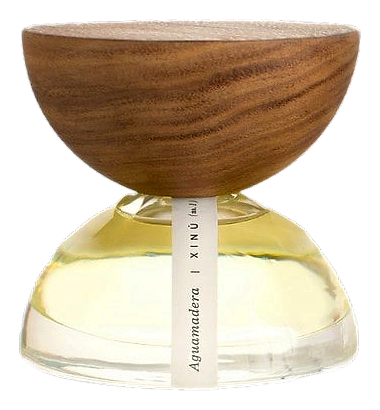
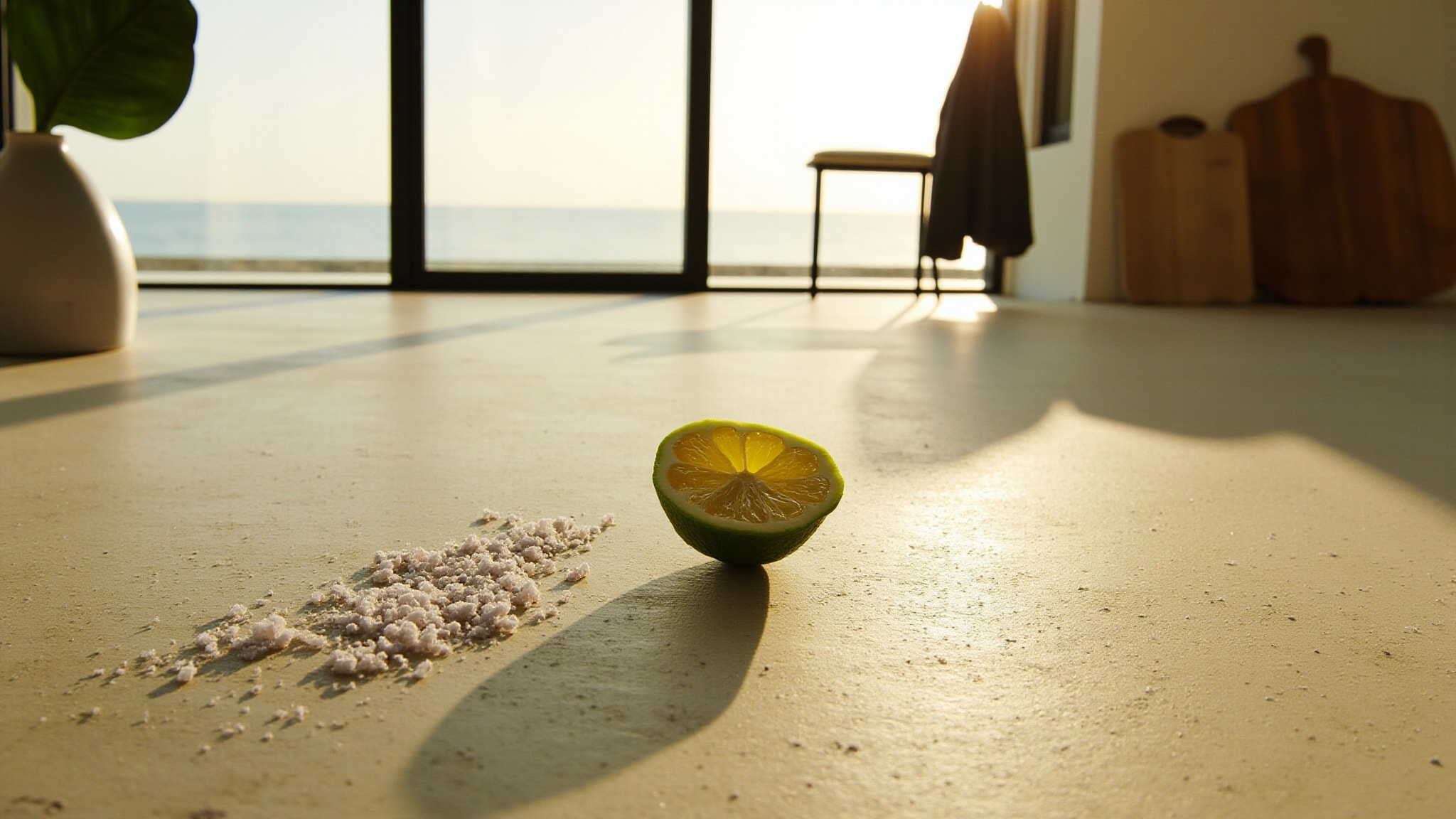
Aguamadera arrived in 2016 as Xinú's first fragrance, a deliberate study of a single botanical rather than a layered concept. Rodrigo Flores-Roux built the composition around the scent of agave itself, which meant finding the plant's green, mineral quality and resisting the temptation to make it smell like what comes from it. The brief included lime and salt, evoking sea air and the coastal landscapes where agave grows. The result is a fragrance that references its origins without literally recreating them, mezcal as an idea, not a smell.
What makes this composition interesting is its restraint. Four materials, lime, agave, guaiac wood, cedar, and no filler. The lime opens sharp and clean, the salt adds an aquatic dimension that makes it feel coastal rather than sweet, and then the agave arrives not as a spirit note but as the plant itself, green and slightly medicinal. The guaiac wood and cedar don't compete with the top notes, they wait, arrive gradually, and carry the drydown. This kind of patience in a fragrance is unusual, especially in a scent that could have gone loud and literal.
The evolution
This isn't a fragrance that announces itself. It arrives quiet and stays that way. The salt-lime opening lasts maybe 20 minutes before the agave steps forward, green, mineral, with a slight sharpness that suggests the plant rather than a spirit. The guaiac wood follows, creamy and warm, meeting the cedar somewhere in the middle, and together they carry the next three or four hours. By hour five or six, only the cedar remains, and salt, faintly, on skin. The next morning, if you press your wrist to your nose, there's still something there: dry, woody, the ghost of the coast.
Cultural impact
Aguamadera has been discussed in fragrance communities as a reference point for how Mexican botanicals can function as a coherent creative framework. The scent's focus on agave, green, mineral, and distinctly unsweet, has made it a touchstone for wearers seeking something that evokes Mexican terroir without relying on the smoky, spirit-led interpretations common to the category. It offered an alternative: the plant itself, before the bottle.