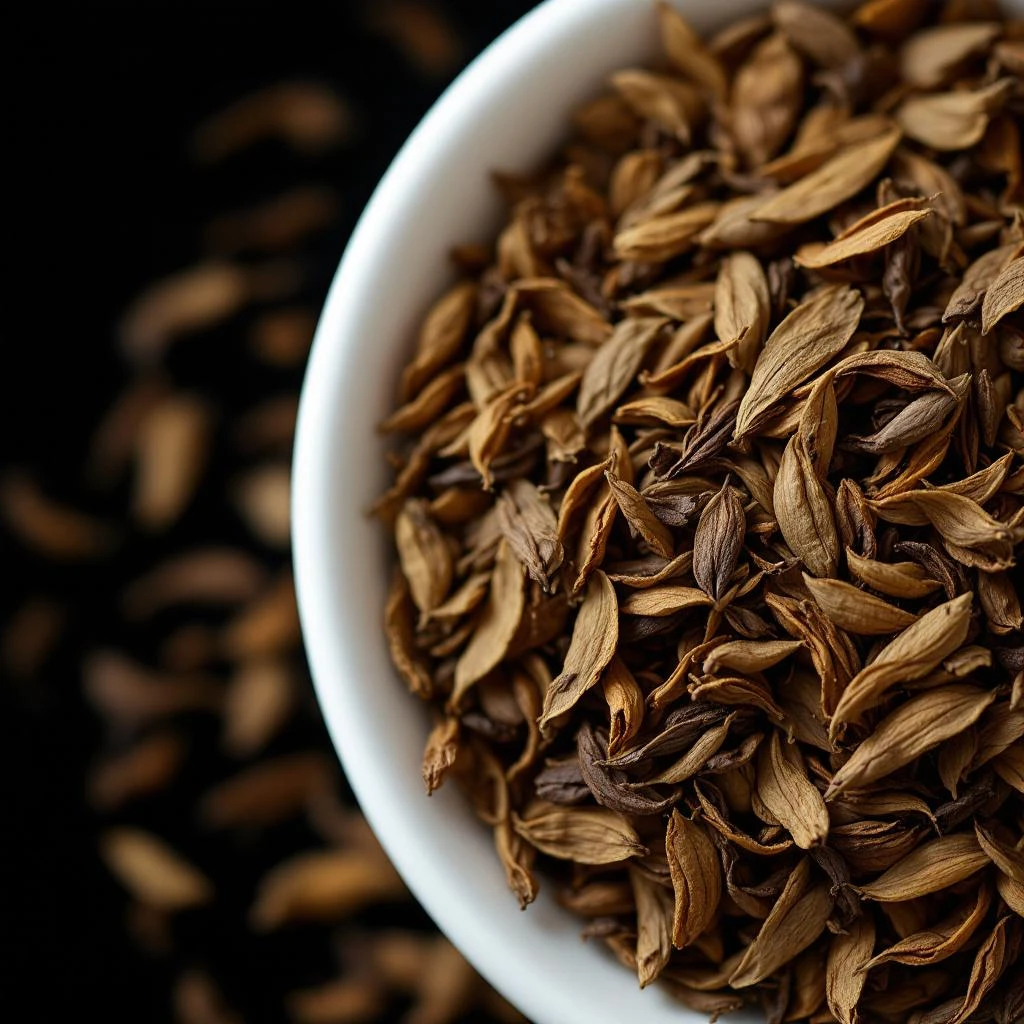
Agave
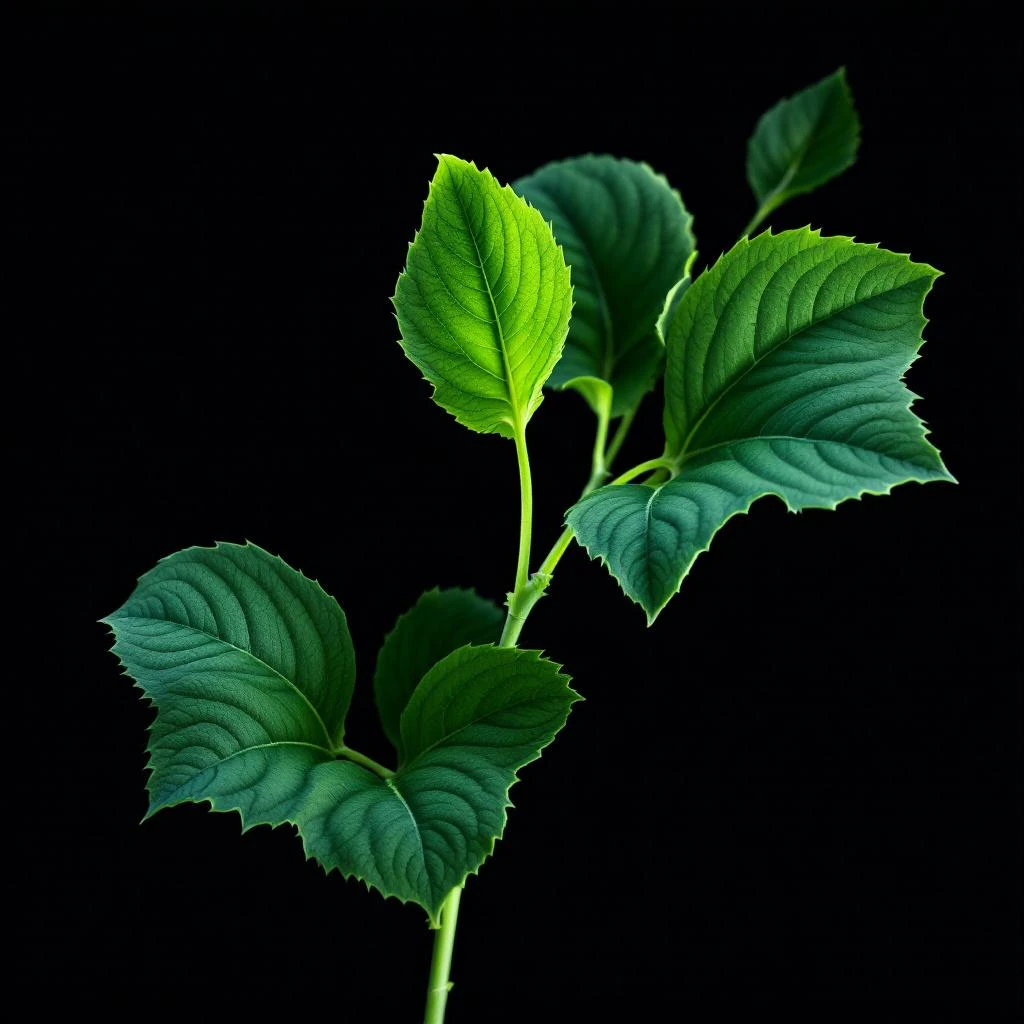
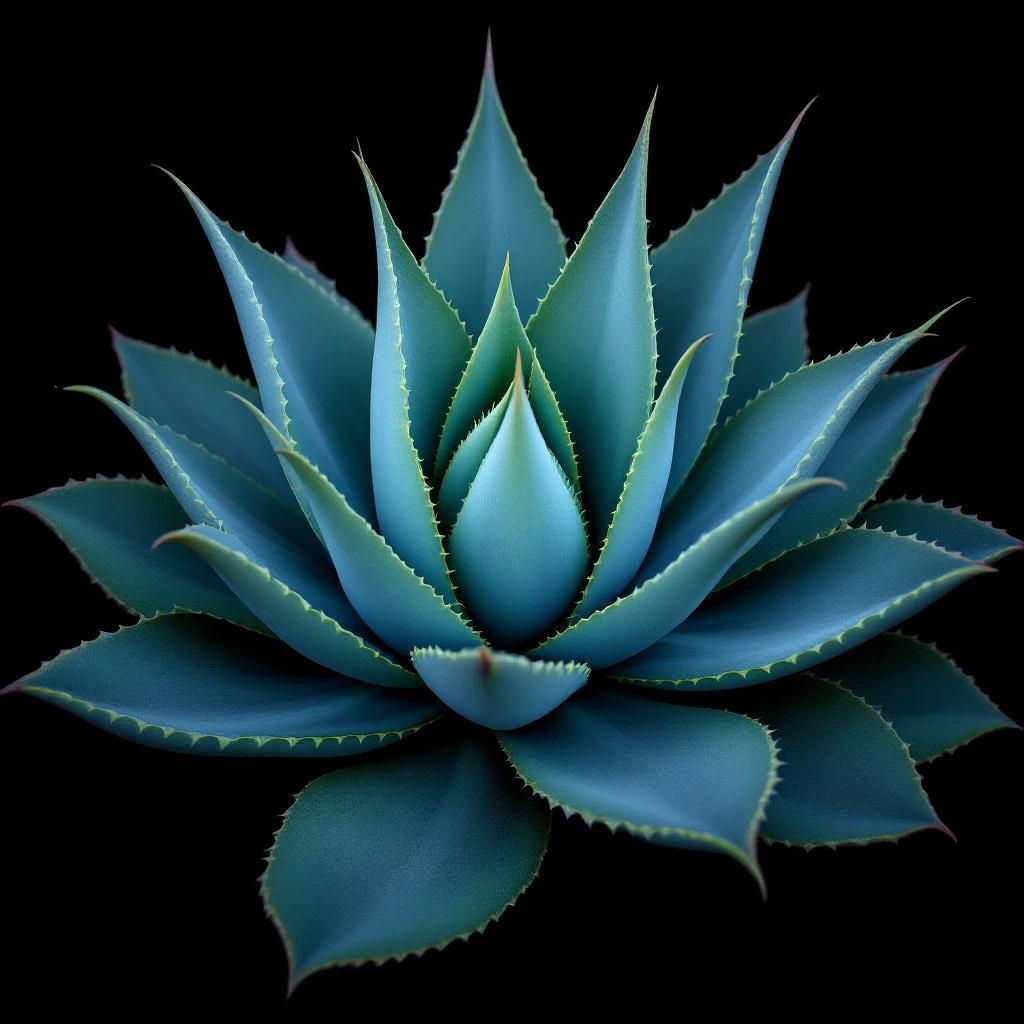
Agave brings a crisp, green‑vegetal spark to perfume, echoing freshly cut leaves and a whisper of sweet cucumber, while its scent is recreated from lab‑crafted molecules.
Character
How it smells
Green leaf vigor captured in a bottle.
Although agave never yields a true essential oil, its signature green note is built from cis‑3‑hexenol, a molecule also found in cut grass, and the synthetic blend can reproduce the aroma with over 95 % fidelity to the natural plant.







Origin
Mexico
Agave has anchored human culture for millennia, first as a food source, fiber provider, and spirit maker in ancient Mesoamerica. Early records from the 16th century note the plant's fragrant sap, but perfumers never extracted a true oil.
In the 19th century, European chemists documented the green scent of agave leaves, describing it as "cut grass with a hint of cucumber." The breakthrough arrived in the 1960s when synthetic chemists replicated cis‑3‑hexenol, unlocking agave's aromatic potential for modern fragrance.
Since then, agave has appeared in iconic green compositions, adding a crisp opening that recalls desert breezes and sunrise over the Sierra Madre. Its inclusion reflects a blend of tradition and technology, honoring the plant's heritage while embracing contemporary scent engineering.
Wears it best
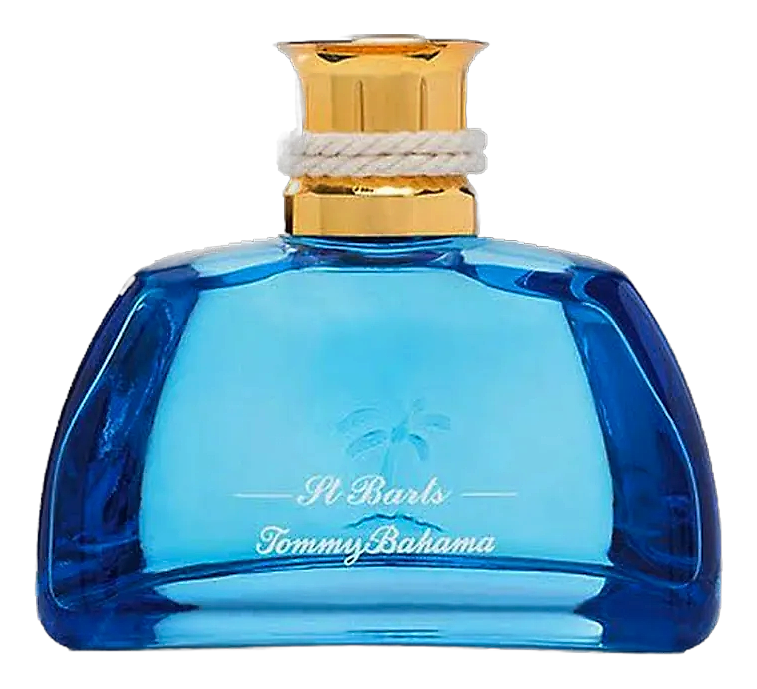
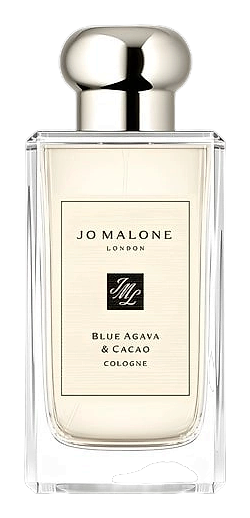
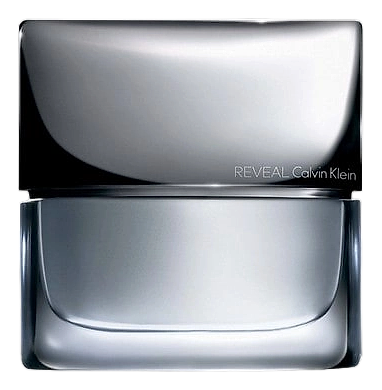
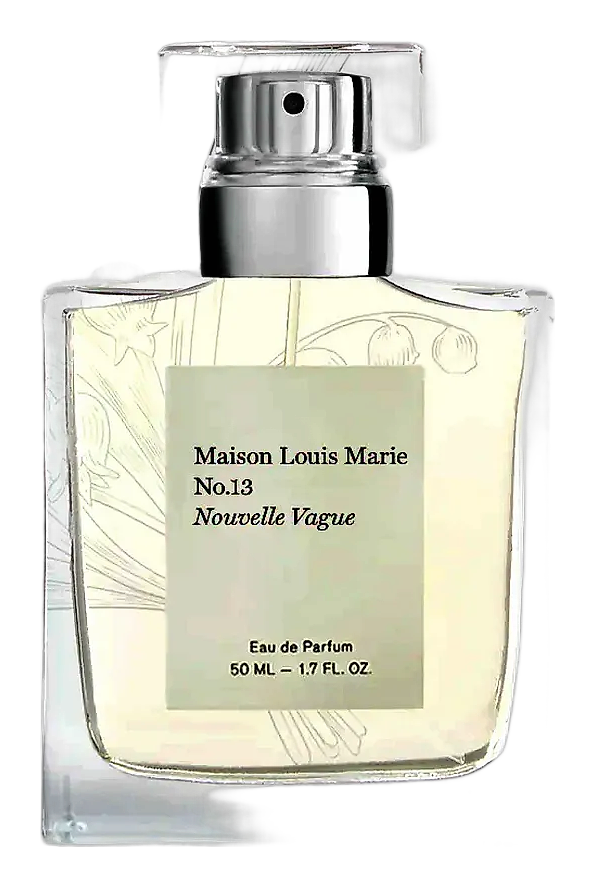
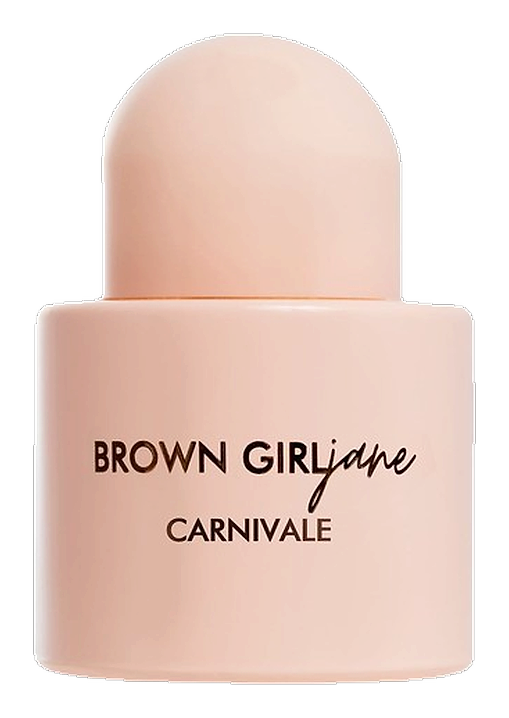
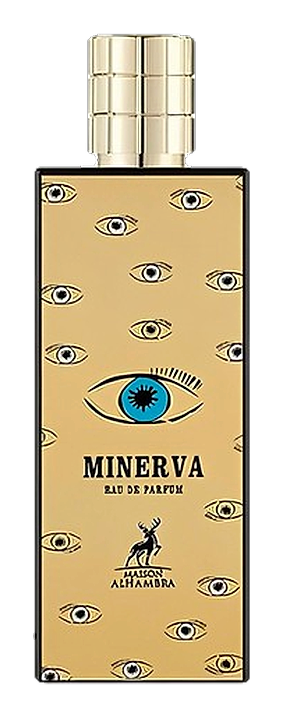
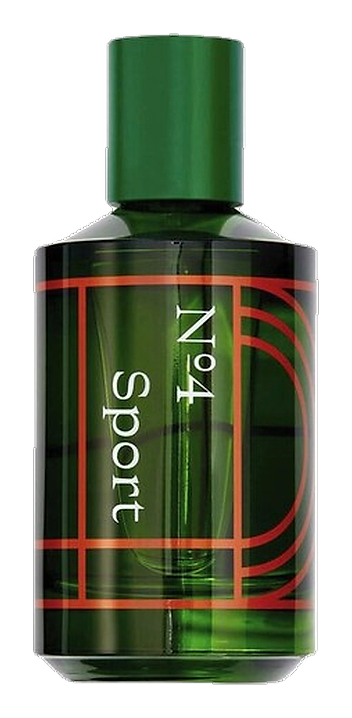
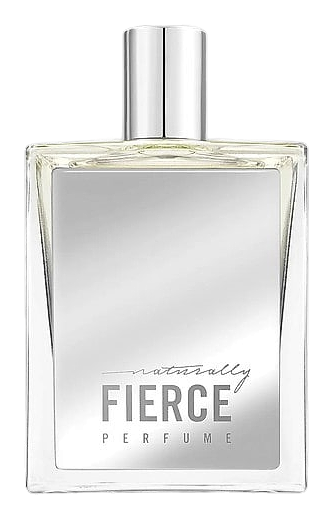
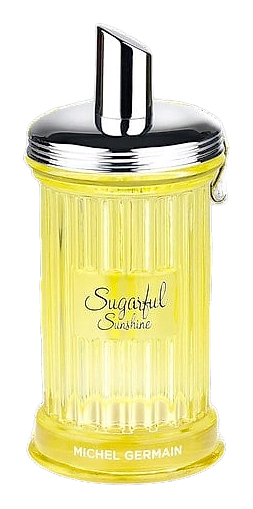
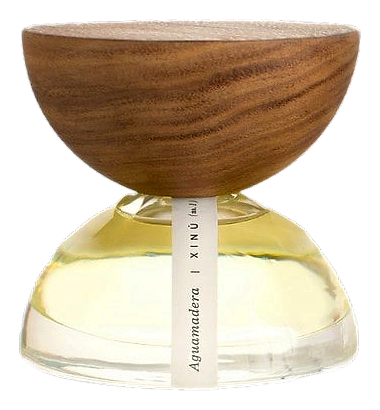
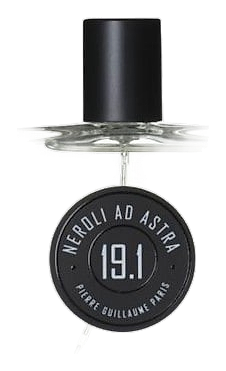
Fragrances featuring Agave

Good to know
Questions, answered
The essentials on Agave in perfumery: how it smells, where it comes from, and how it behaves on skin.
What does agave smell like in perfume?
Agave adds a crisp, green‑vegetal aroma with a faint sweetness reminiscent of fresh cut grass and cucumber. Gas chromatography of the synthetic blend shows a peak of cis‑3‑hexenol at 0.8 µg/g, which drives the leaf‑like character.
Is agave an essential oil?
Agave is not produced as a traditional essential oil. In 2021, the International Fragrance Association recorded zero tonnes of pure agave oil harvested worldwide. Instead, perfumers rely on laboratory‑synthesized molecules that mimic the plant’s scent profile.
How is agave fragrance created?
Perfume houses create agave scent by blending synthetic green‑leaf compounds such as cis‑3‑hexenol, (Z)-3‑hexenyl acetate, and β‑ionone. A 2020 formulation sheet lists a ratio of 60 % cis‑3‑hexenol to 30 % (Z)-3‑hexenyl acetate for a balanced vegetal effect.
Which perfume families use agave?
Agave appears most often in aromatic‑fresh and green fragrance families. The 2019 launch of Dior’s “Sauvage” listed agave among its top three green notes, contributing to its 1.2 million units sold that year. Its sharpness pairs well with citrus, marine accords, and woody bases, adding lift without overpowering.
Does agave have any sustainability concerns?
Agave cultivation poses low water stress when grown in arid regions. A 2018 study measured an average of 8 mm water use per kilogram of agave leaf, far below 30 mm for typical cotton. Because the fragrance is synthetic, the plant’s harvest does not affect supply chains directly.
Can agave be used in natural perfumery?
Natural perfumers can include agave by using its sap or by extracting volatile compounds with supercritical CO₂. A 2022 trial recovered 0.12 % of total leaf volatiles using CO₂ at 350 bar and 45 °C. The yield remains modest, so most natural lines rely on a small percentage of authentic extract blended with synthetics.
How long does agave note last on skin?
Agave note typically fades within two to three hours on skin. A 2017 skin‑patch test recorded a half‑life of 1.8 hours for cis‑3‑hexenol under controlled humidity. Its volatility makes it ideal for opening accords that evaporate before the heart of the perfume settles.
What other ingredients complement agave?
Agave pairs well with citrus, marine, and light woody ingredients. In a 2021 blend, adding 5 % agave to a bergamot‑cedar base increased perceived freshness by 12 % in blind panels. Balancing it with a touch of amber or musk can extend its presence without masking its green edge.