
The Story
Why it exists.
The beginning
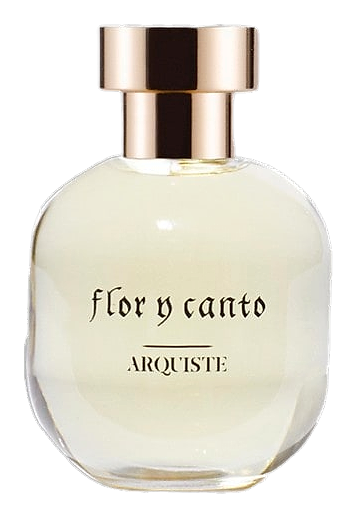
The concept came from a single fragment of Aztec cultural history, the flower festivals held in the great temple of Tenochtitlan, where five native blooms were offered on sacred altars. The idea was to translate documented historical sensory experiences into modern fragrance. Together, they built a fragrance around the botanical identity of Mexican flowers: tuberose, magnolia, plumeria, marigold, and wild acacia, plants the Aztecs knew intimately, that modern perfumery rarely honors. The result is a scent that opens with a surprising herbal bitterness, green leaves cutting through the initial sweetness before the florals begin their slow unfurling.
Copal resin, the sacred incense the Aztecs burned in those very temple ceremonies, serves as the fragrance's foundation. It brings a warm, resinous quality that binds the floral elements together, creating a sense of weight and continuity. The florals don't simply float above, they're anchored, given substance by the copal's smoky, slightly sweet presence. This transforms the scent from a simple bouquet into something more like an offering, a ritualistic composition that honors its historical roots.
The evolution
The opening arrives sharp and unexpected. Tagetes delivers a golden character with green herbal undertones that prevent it from becoming merely sweet. Mexican acacia contributes a whisper of honeyed warmth beneath the surface. Within minutes, the composition shifts as white florals begin their slow ascent, with tuberose and frangipani offering creamy, almost peach-coconut sweetness. Magnolia provides waxy depth that keeps the scent from drifting away entirely, creating a heart that persists on skin. The drydown introduces copal smoke threading through the fading florals, with vanilla and benzoin arriving like gentle warmth from an ember. The sillage remains moderate, present beside you but not intrusive across a table, offering intimate, close-to-skin presence rather than room-filling projection.
Cultural impact
Flor y Canto demonstrates the brand's core concept immediately: scent anchored in cultural specificity rather than abstraction. The fragrance occupies a particular space in the niche market, appealing to those who want their perfume to carry meaning beyond mere aesthetics. Its unapologetic density and willingness to smell like something with history rather than something designed to be universally inoffensive has earned it a dedicated following.
The House
ArquisteArquiste is a niche fragrance house that translates moments from history into modern perfume. Founded in 2012 by Mexican architect Carlos Huber, the label pairs rigorous archival research with the expertise of perfumers such as Rodrigo Flores‑Roux, Yann Vasnier and Calice Becker. Each scent is presented as a portal to a specific time and place, from a 17th‑century French wedding to a 1930s London cocktail gathering. The brand positions itself as a bridge between past and present, inviting wearers to experience a scent‑bound narrative.
The Creator
Rodrigo Flores-RouxFlores-Roux gravitates toward bold, characterful compositions with strong sillage and distinct personalities. He excels at balancing opulent florals against warm woods and resins, and has a particular gift for citrus and neroli interpretations that feel neither precious nor fl…