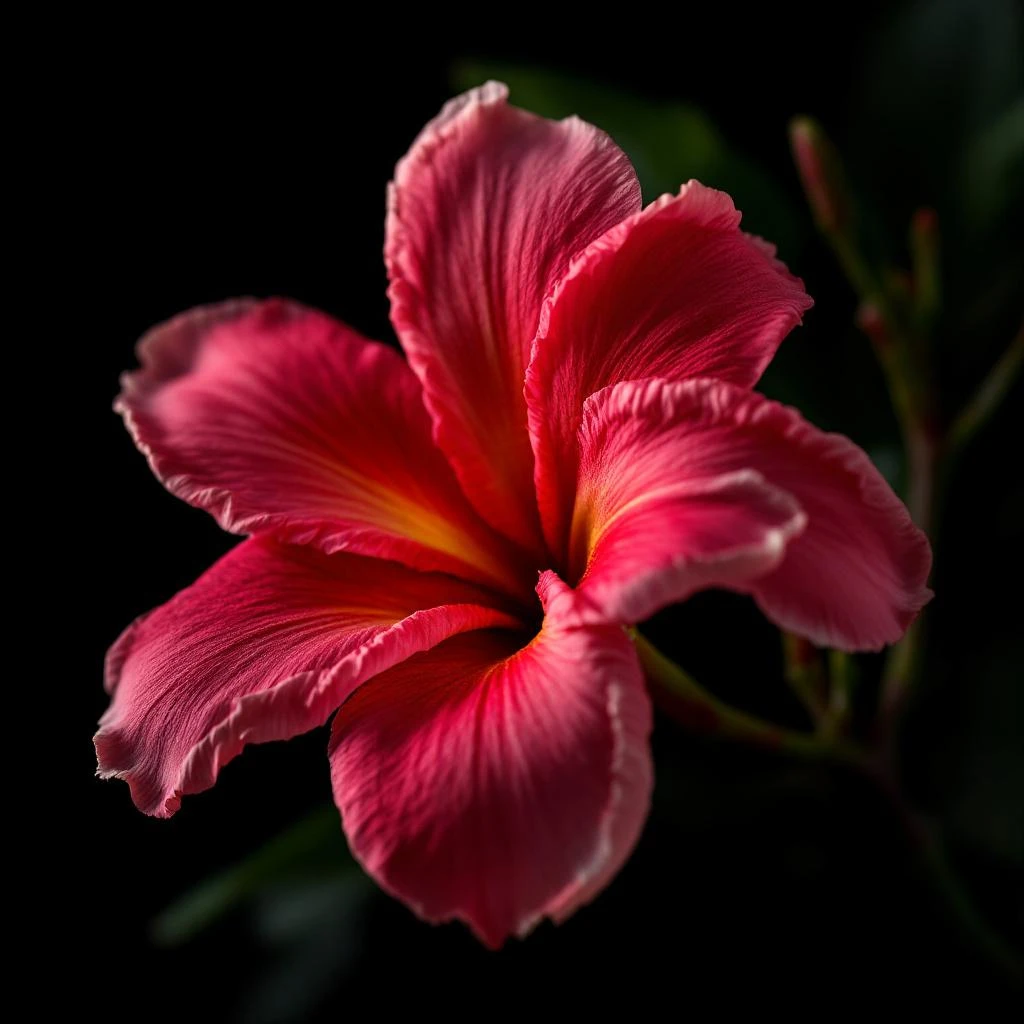
Red Frangipani
Frangipani is paradise in a flower. That lush, creamy scent of warm tropical nights you recognize in fragrances from Kenzo Amour to Annick Goutal Songes does not come from a bottle. It is almost always a reconstruction built by the perfumer.
Character
How it smells
A scent so rare it must be reinvented.
The word 'frangipani' predates the plant itself. The flower was named after a 16th-century Italian perfumer, not the other way around.






Origin
India
The name 'frangipani' belongs to an Italian nobleman, not a flower. In the 16th century, Marquis Muzio Frangipani created a perfume of orris, spices, civet musk, and wine that was used to scent gloves, producing what were known as 'Frangipani gloves' across Europe. When a French colonist later encountered a heavily scented tropical plant in the West Indies, its fragrance was instantly familiar.
He named that plant Plumeria after Charles Plumier, the French botanist who described it, but the flower inherited the name 'frangipani' from the glove perfume. This is one of the rare cases where a plant took its name from a fragrance rather than the reverse. Across Southeast Asia and the Pacific Islands, frangipani carries deep cultural weight: planted beside graves in Malaysia and Indonesia, offered on temple altars in Bali, woven into wedding leis in Hawaii, exchanged between brides and grooms in India.
Its continuous blooming was seen as a symbol of eternal life. The flowers release their fragrance at night to attract pollinators, a trait that made them central to sacred scenting rituals predating modern perfumery by millennia.
Wears it best
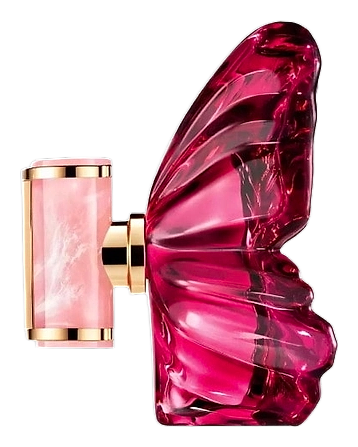
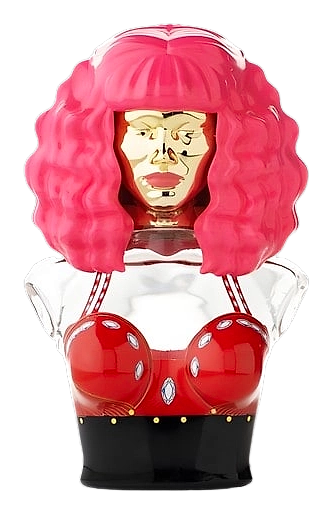
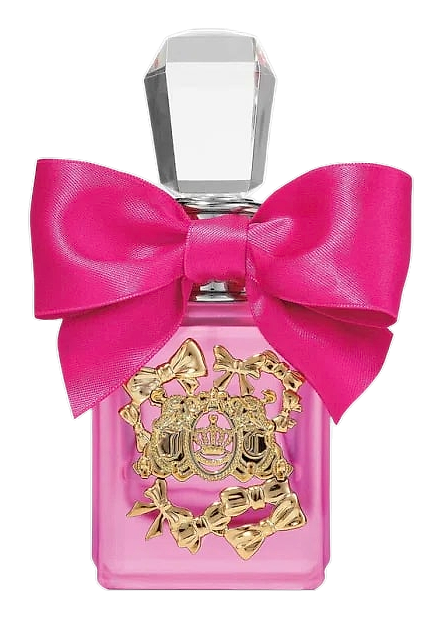
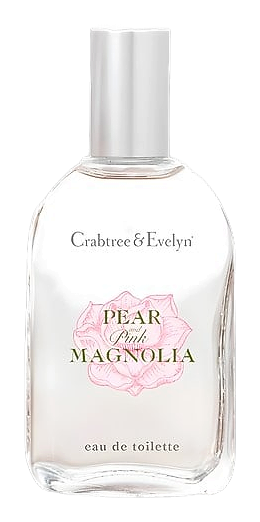
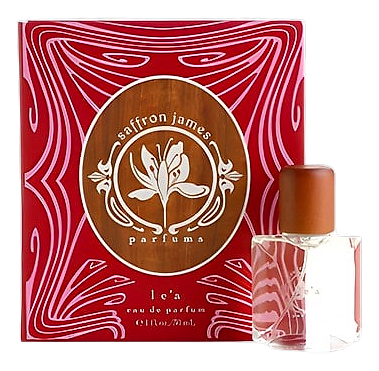
Fragrances featuring Red Frangipani
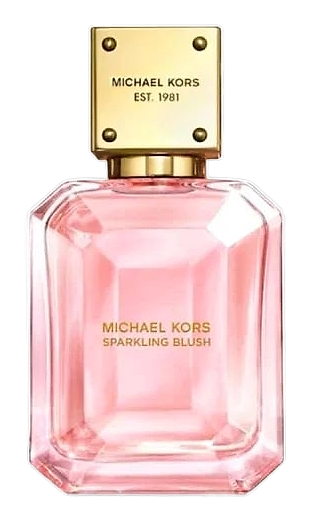
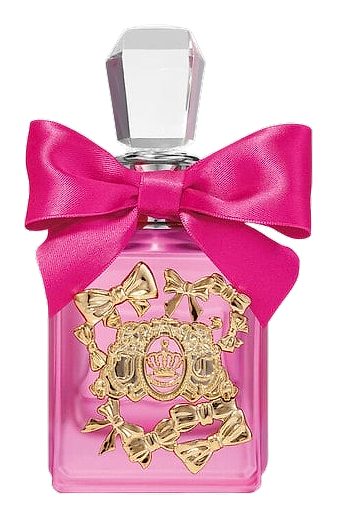
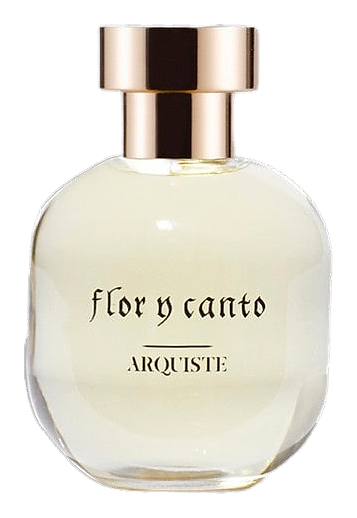
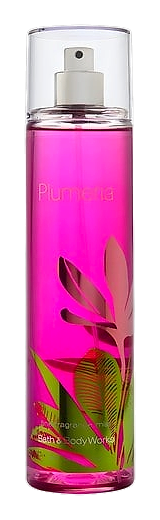

Brands
Brands known for Red Frangipani
Good to know
Questions, answered
The essentials on Red Frangipani in perfumery: how it smells, where it comes from, and how it behaves on skin.
Is frangipani absolute commonly available?
No. Natural frangipani absolute is produced only in small quantities, primarily in India. The delicate flowers yield very little oil, making commercial production impractical. Most frangipani in perfumery is a reconstruction.
Why can't frangipani be steam distilled?
Steam distillation destroys the light, fruity top notes that define frangipani's character. The heat damages the fragile aromatic compounds before they can be captured. Solvent extraction preserves more of the scent profile.
What does frangipani actually smell like?
Frangipani smells creamy and tropical with soft peach and apricot facets, gardenia-like florals, and a hint of coconut. The scent is stronger at night since the flowers evolved to attract nocturnal pollinators.
What is a frangipani accord?
A frangipani accord is a reconstruction typically combining benzyl salicylate, linalool, nerolidol, and geraniol with white floral materials. Perfumers blend these to approximate the creamy, fruity character of the natural flower.
Where does frangipani originate?
Plumeria species are native to Central America and the Caribbean. The plant spread to Southeast Asia, the Pacific Islands, and India through trade routes and colonial expansion, where it became embedded in local traditions.
What fragrances are famous for frangipani?
Prominent frangipani fragrances include Annick Goutal Songes, Kenzo Amour, Giorgio Armani Sun di Gioia, Ormonde Jayne Frangipani, and Dusita Parfums La Douceur de Siam.
What is the connection between frangipani and monoi oil?
Monoi oil is coconut oil infused with tiare flowers and plumeria petals, common across Polynesian cultures. This combination represents one of the most recognizable tropical scent signatures associated with Pacific Island fragrance traditions.
Why does frangipani have two names?
Plumeria is the botanical genus name honoring 17th-century French botanist Charles Plumier. 'Frangipani' comes from the 16th-century Italian nobleman Muzio Frangipani, who created scented gloves. The flower inherited the fragrance name when encountered in the Americas.