Copal resin
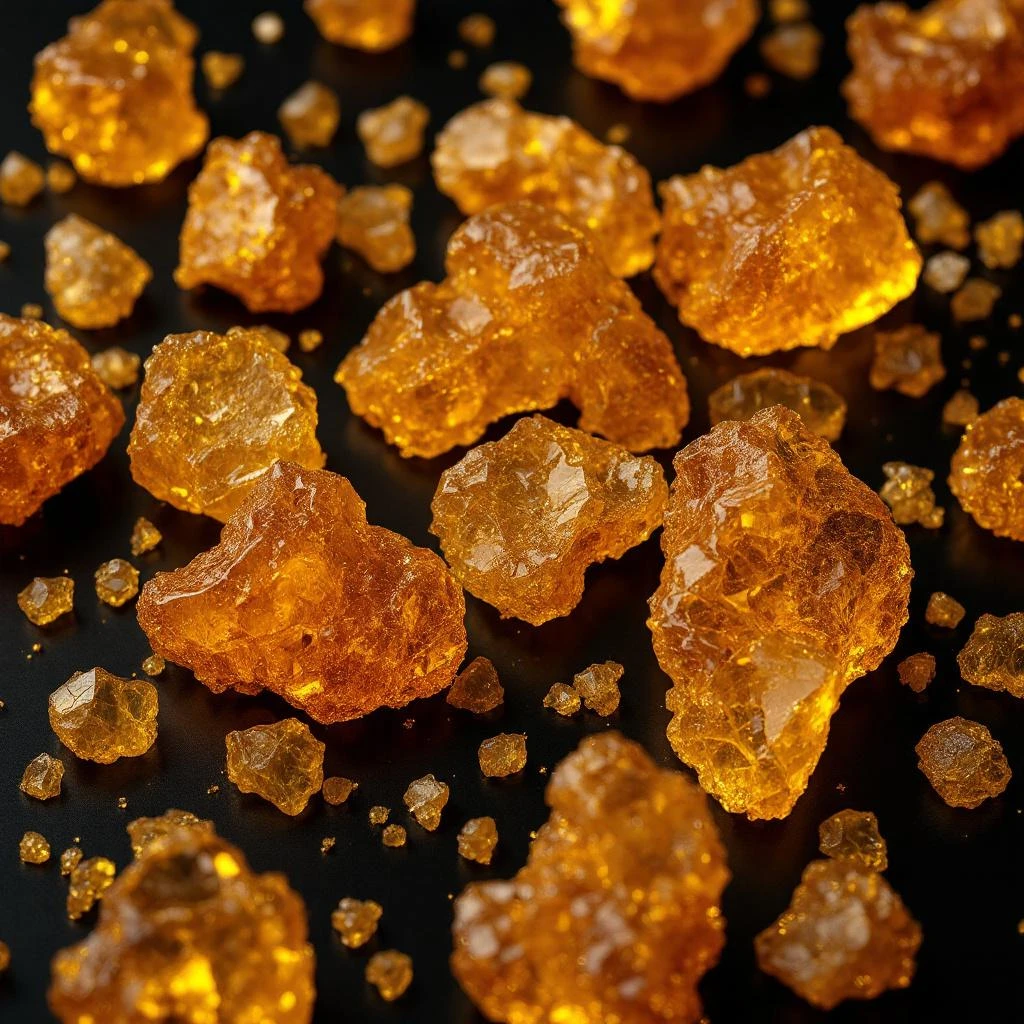
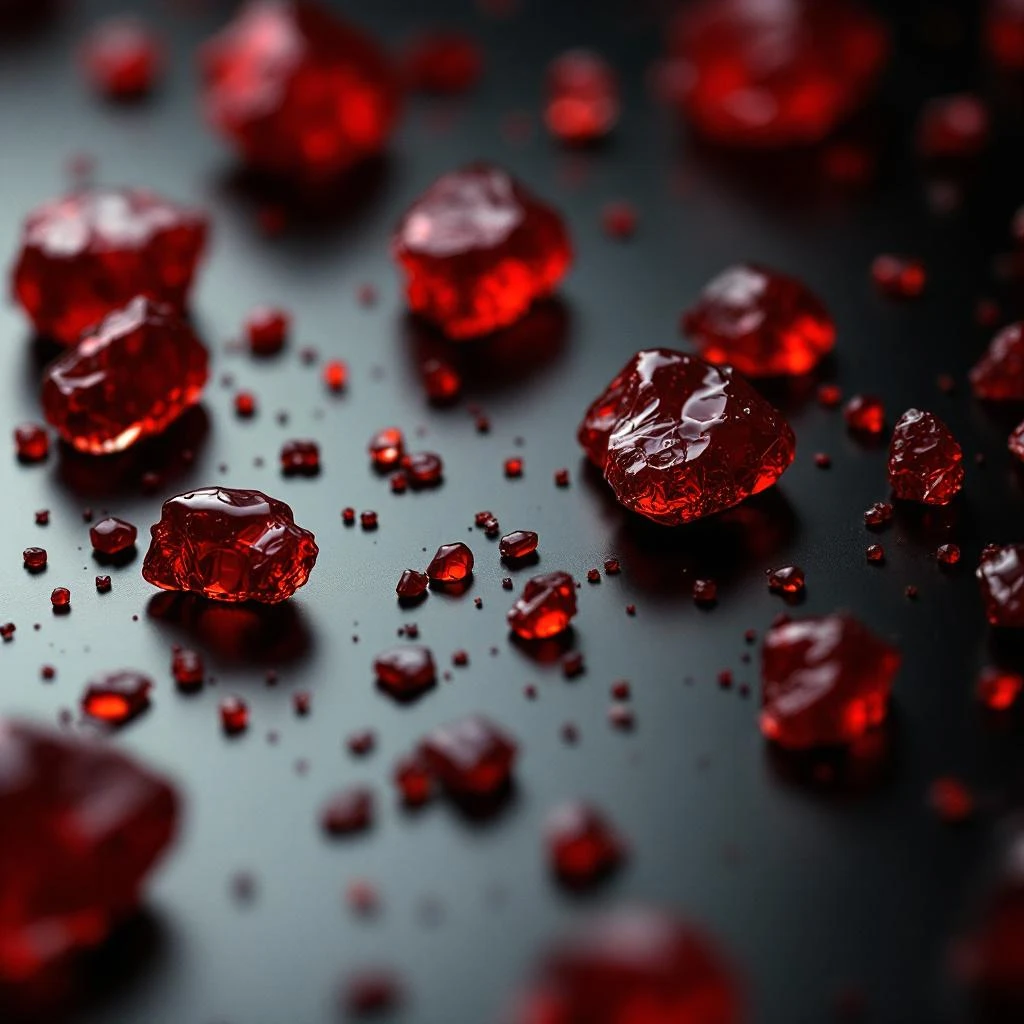
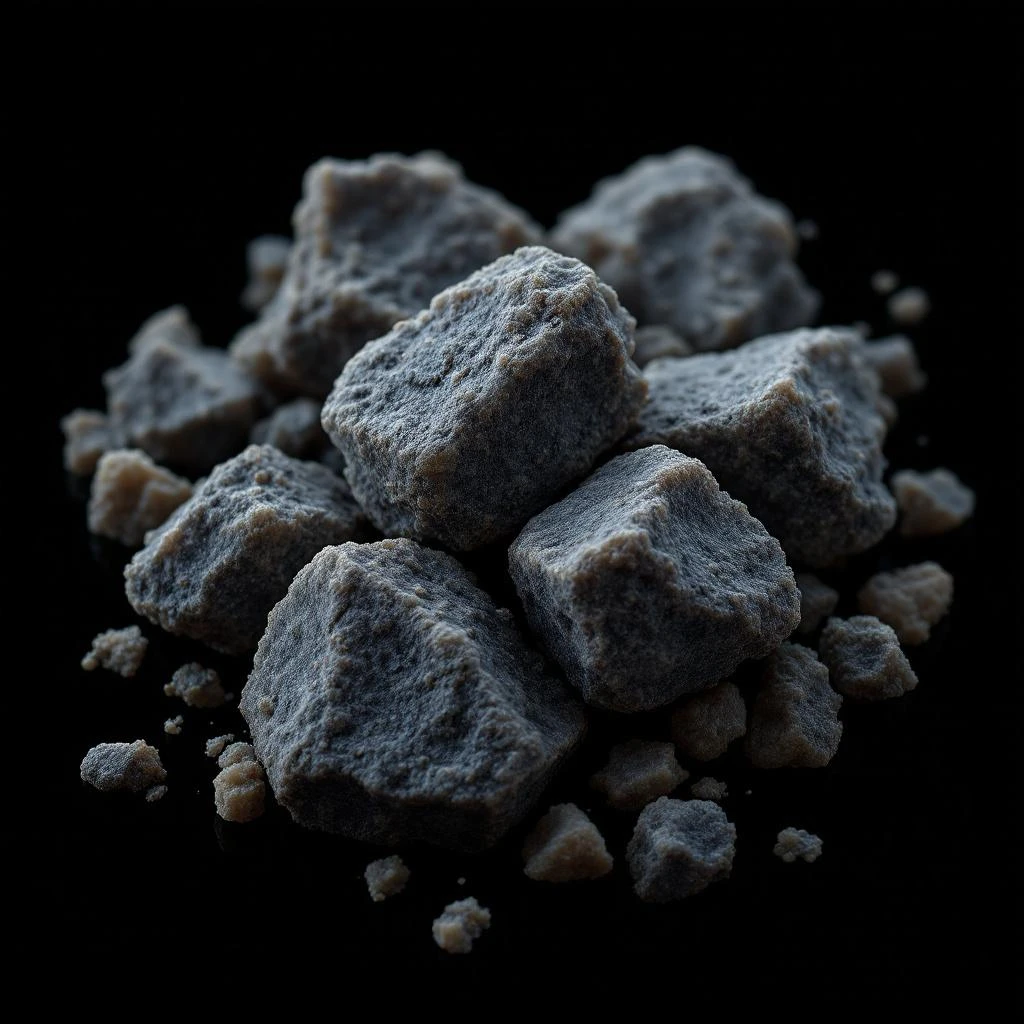
One of perfumery's most ancient materials, copal resin bridges the living and the fossilized. Harvested from tropical Protium and Bursera trees, this 'young amber' carries the warmth of centuries within its golden, aromatic tears.
Character
How it smells
The ancient resin that still breathes with life
The word 'copal' comes from the Nahuatl term 'copalli,' meaning incense, reflecting its sacred origins in Mesoamerican culture.







Origin
Brazil
Thousands of years before European contact, Maya and Aztec priests filled their temples with the sacred smoke of burning copal. They called it the 'food of the gods,' believing the fragrant smoke carried prayers and offerings upward to nourish the divine. Ancient texts describe copal as equal in value to gold in some Mesoamerican trading networks.
Beyond ceremony, artisans molded the resin into figurines and used it as a protective varnish for precious objects. When Spanish conquistadors arrived, they recorded finding copal widely traded across the continent, treated with reverence we might reserve for gold. Today, shamans and priests in Mexico and Guatemala still burn copal in ceremonies that connect modern practitioners to traditions predating written history.
The same resin that once fed deities now anchors modern fragrance compositions, its ancient warmth finding new expression on skin rather than in temples.
Wears it best
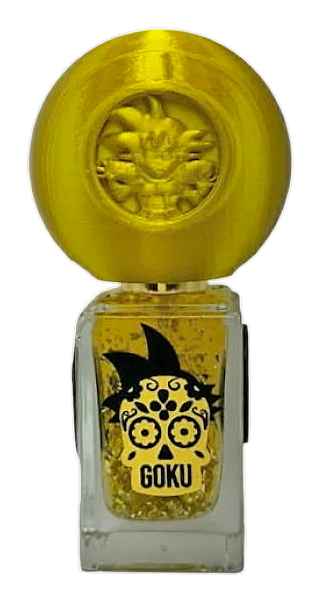
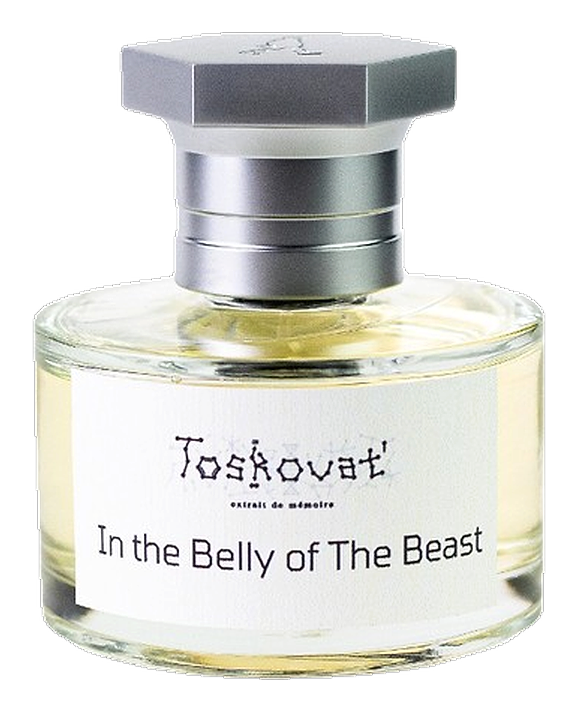
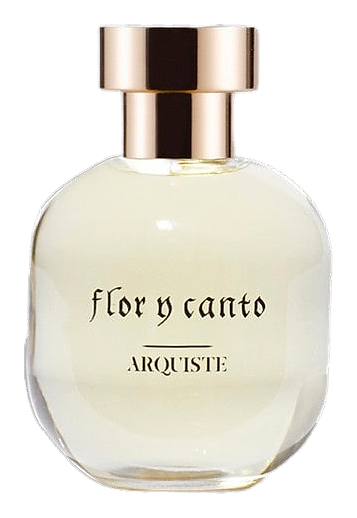
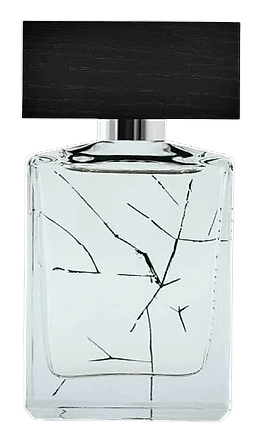
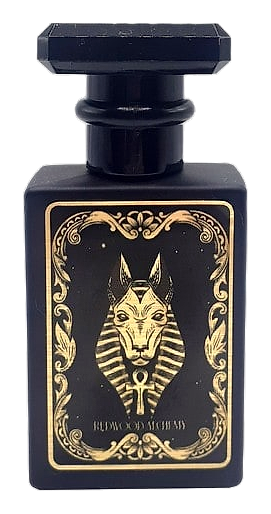
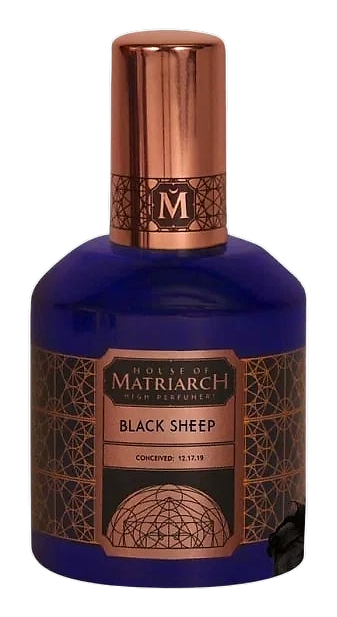
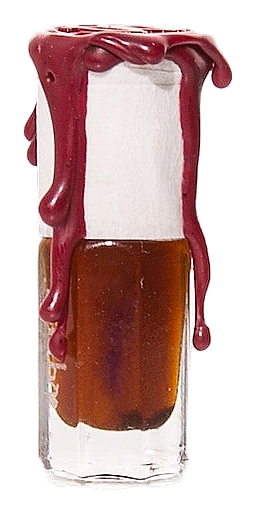
Fragrances featuring Copal resin
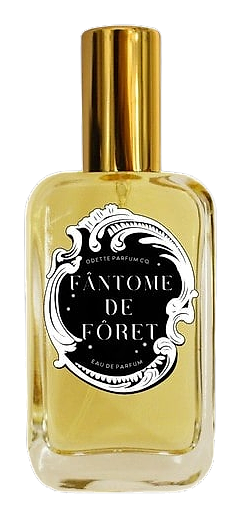
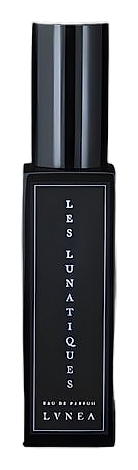
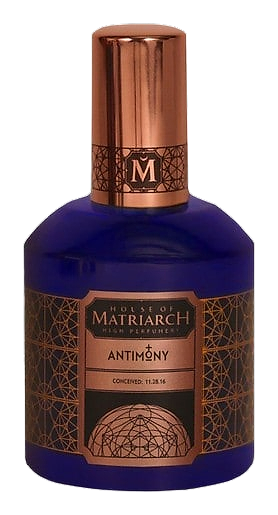
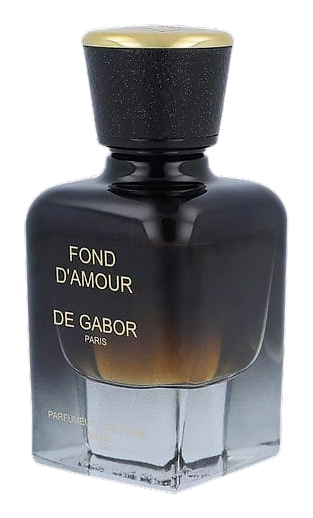
Brands
Brands known for Copal resin
Good to know
Questions, answered
The essentials on Copal resin in perfumery: how it smells, where it comes from, and how it behaves on skin.
How does copal differ from amber?
Copal is 'young amber' that has not fully fossilized, typically ranging from thousands to around one million years old. True amber requires millions of years of fossilization. Both materials originate from ancient tree resin, but copal retains more volatile aromatic compounds, giving it a fresher, more vibrant scent compared to amber's deeply aged character.
What does copal resin smell like?
Copal offers a warm, balsamic aroma with resinous, slightly sweet, and faintly smoky characteristics. The scent evokes traditional incense with subtle vanilla undertones and a clean, dry wood quality. As a fixative in perfumes, it provides a persistent warm base that lingers throughout the wear.
Which tree species produce copal resin?
Copal derives from trees in the Burseraceae family, primarily from the Protium and Bursera genera. Different species grow across Colombia, Brazil, Madagascar, East Africa, and Indonesia. Each geographic origin produces a distinct aromatic profile, though all share the characteristic warm, resinous qualities that define copal.
How do perfumers use copal in compositions?
Perfumers use copal resinoid primarily as a fixative to extend the longevity of lighter fragrance notes. Its rich, tenacious character anchors compositions and provides a warm, resinous foundation. The material works especially well in oriental, woody, and spicy fragrance families, adding depth and staying power to the overall blend.
Is copal still used in traditional ceremonies?
Indigenous communities throughout Mesoamerica continue burning copal in spiritual ceremonies today. Practitioners in Mexico, Guatemala, and beyond maintain Maya and Aztec traditions that date back thousands of years. The smoke carries prayers and cleanses spaces, just as it did in ancient temples before European contact.
What is a resinoid in perfumery?
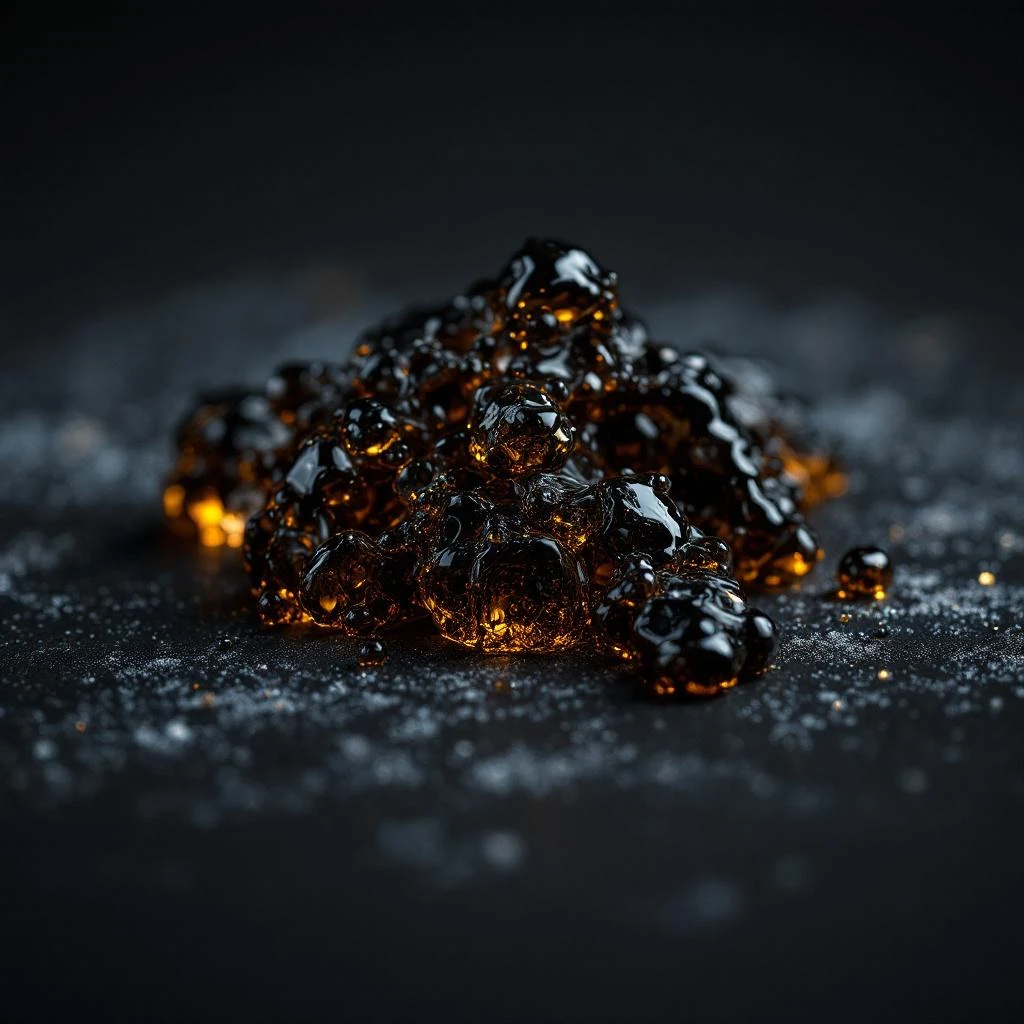
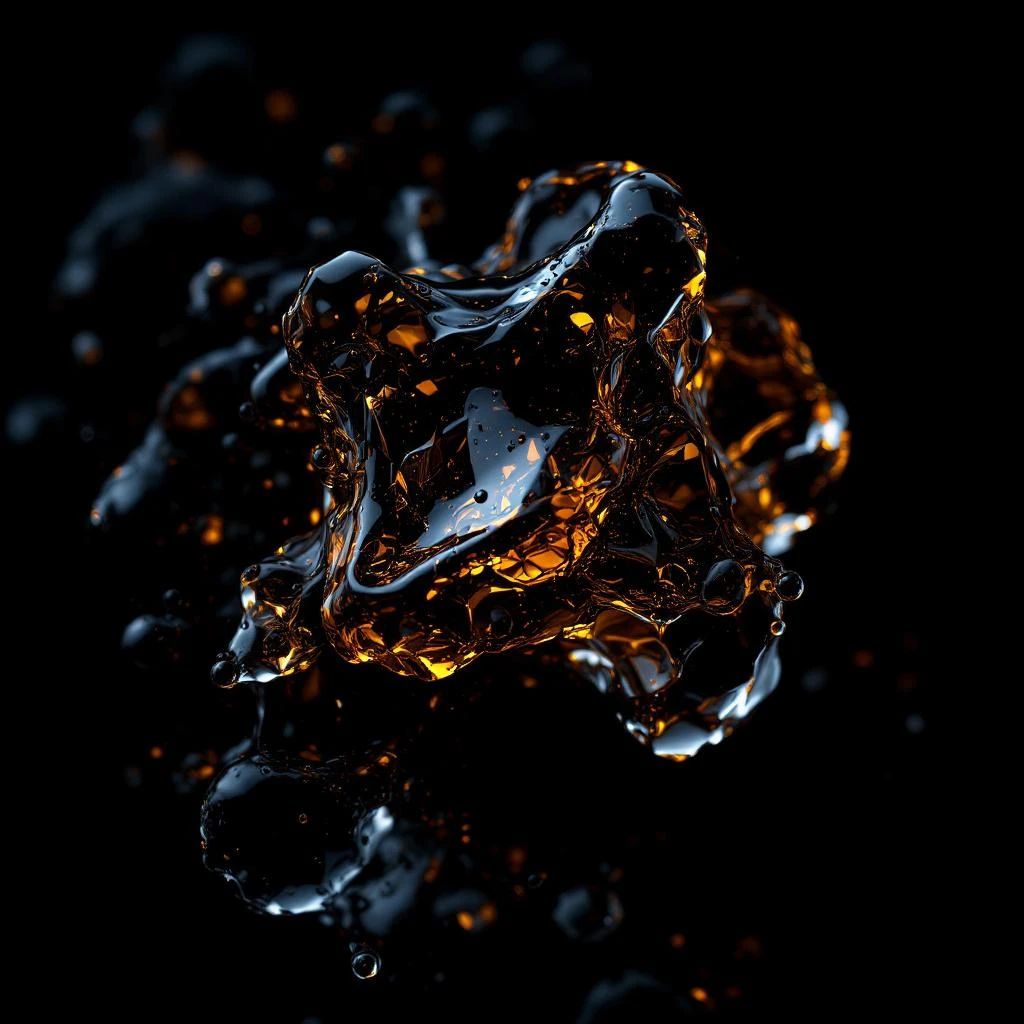
A resinoid is a solvent-extracted aromatic material obtained from natural resinous substances. Unlike essential oils from steam distillation, resinoids capture the complete range of compounds present in the original resin, including heavier molecules that provide fixative properties. Copal resinoid appears as a dark, viscous substance.
How should copal-based fragrances be stored?
Store fragrances containing copal away from direct heat and sunlight to preserve the resinous compounds. Cool, dark environments maintain the integrity of the aromatic profile. Properly stored, resin-based fragrances often improve with age as the notes meld together into more complex compositions.
Can synthetic alternatives replace natural copal?
No synthetic currently replicates the complete aromatic profile of natural copal resin. While individual resinous compounds can be created in laboratories, natural copal contains hundreds of interacting molecules that create its characteristic warmth and complexity. Natural materials offer a depth that synthetics cannot fully match.