Copal
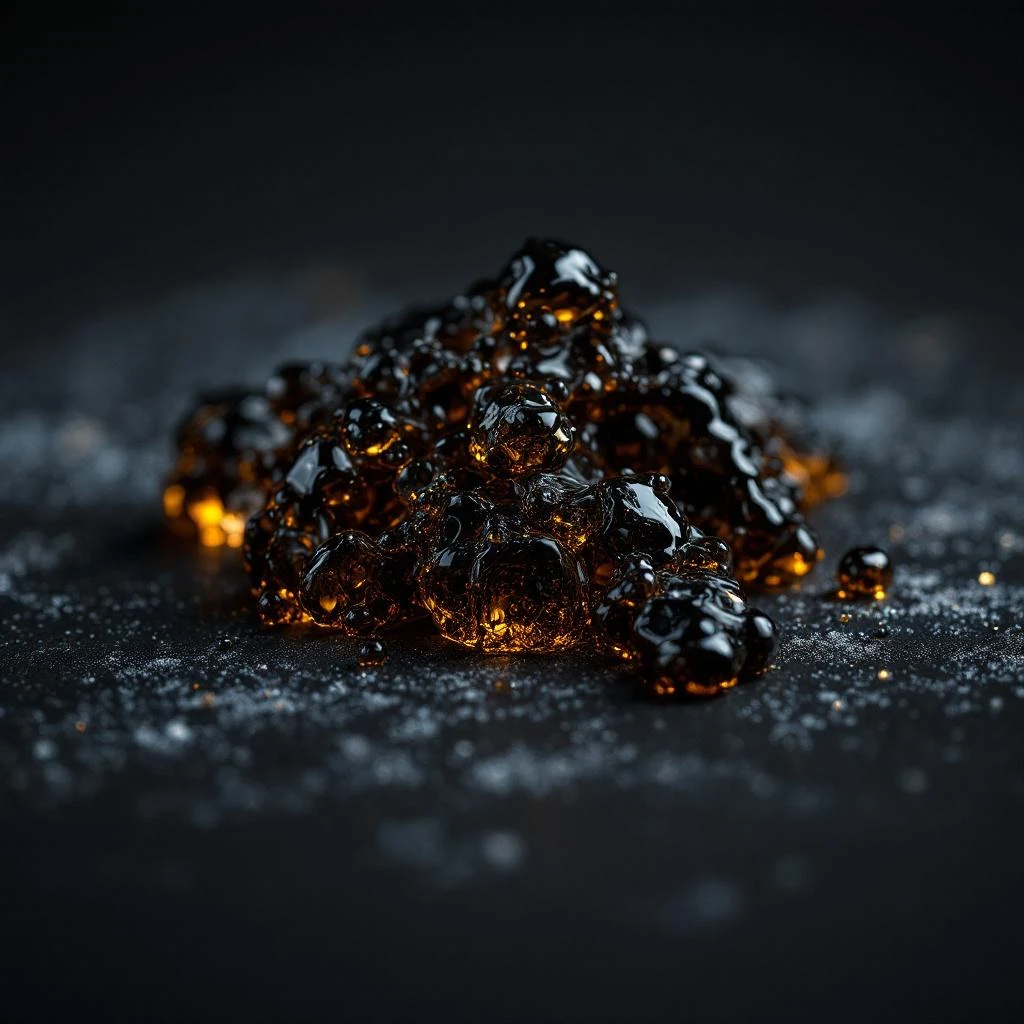
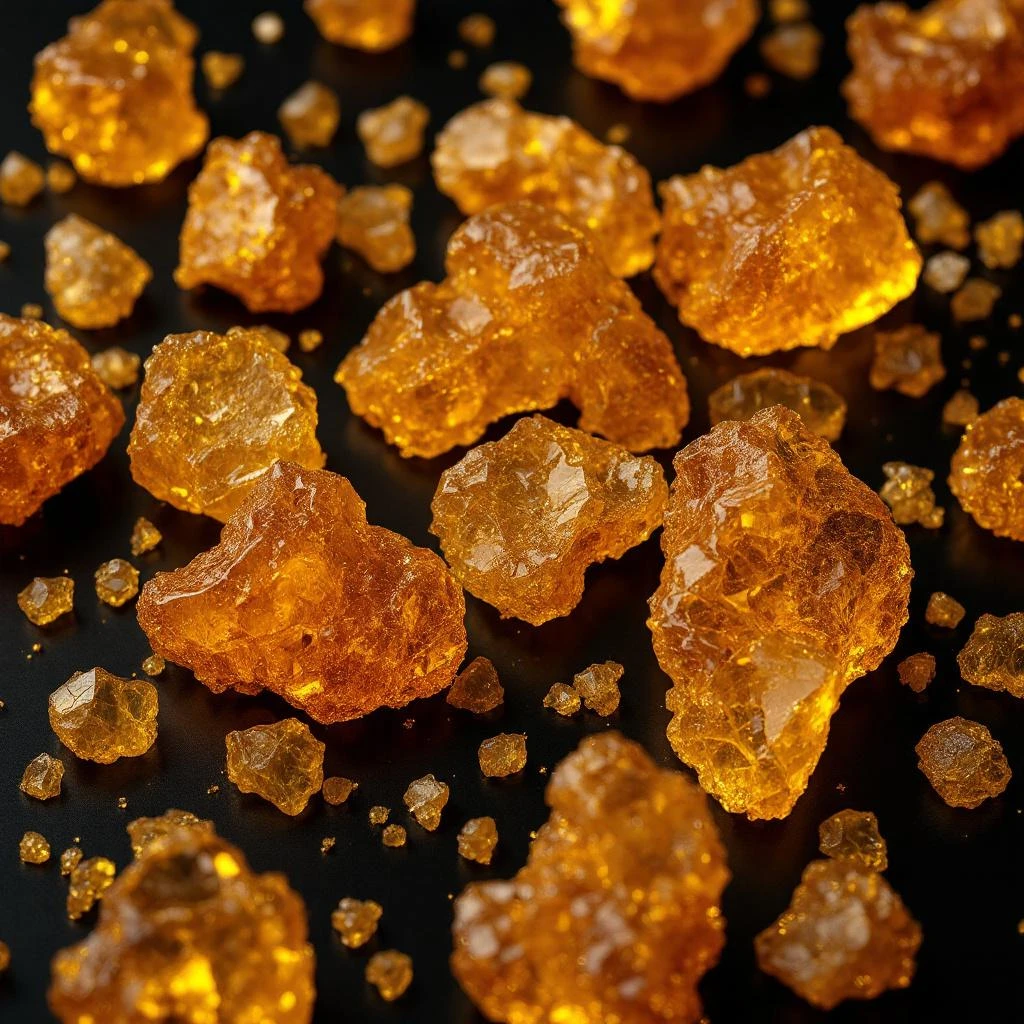
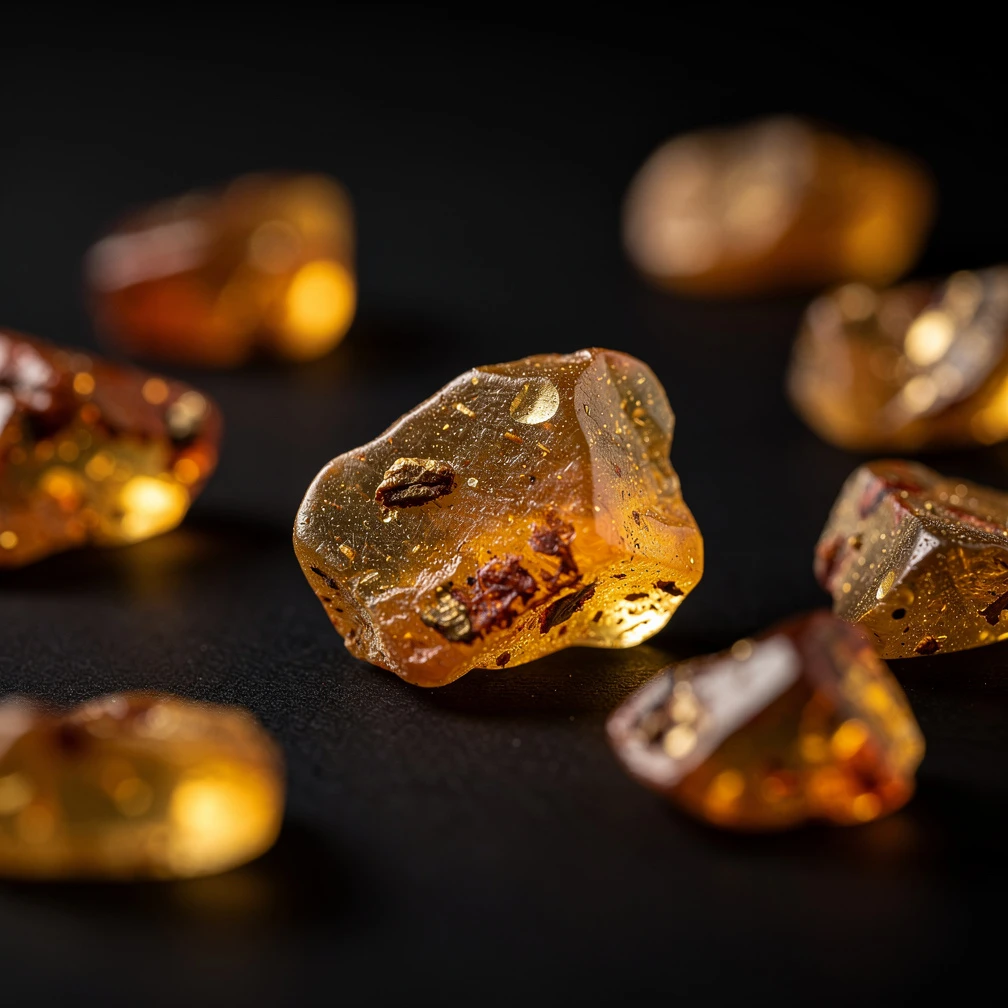
Copal resin is a warm, resinous base note extracted from Bursera and Protium trees across Mexico, Madagascar and Colombia. It brings a penetrating balsamic quality with hints of pine, citrus peel and sacred smoke that perfumers value for adding depth and fixative power to oriental and incense compositions. This ancient material bridges ritual tradition and modern fragrance craft.
Character
How it smells
Ancient resin smoke, captured in liquid form for modern perfumery.
In Mexican Day of the Dead tradition, copal is so culturally central that many say "you smell copal and you smell death" — the living and dead share its aromatic language.







Origin
Mexico
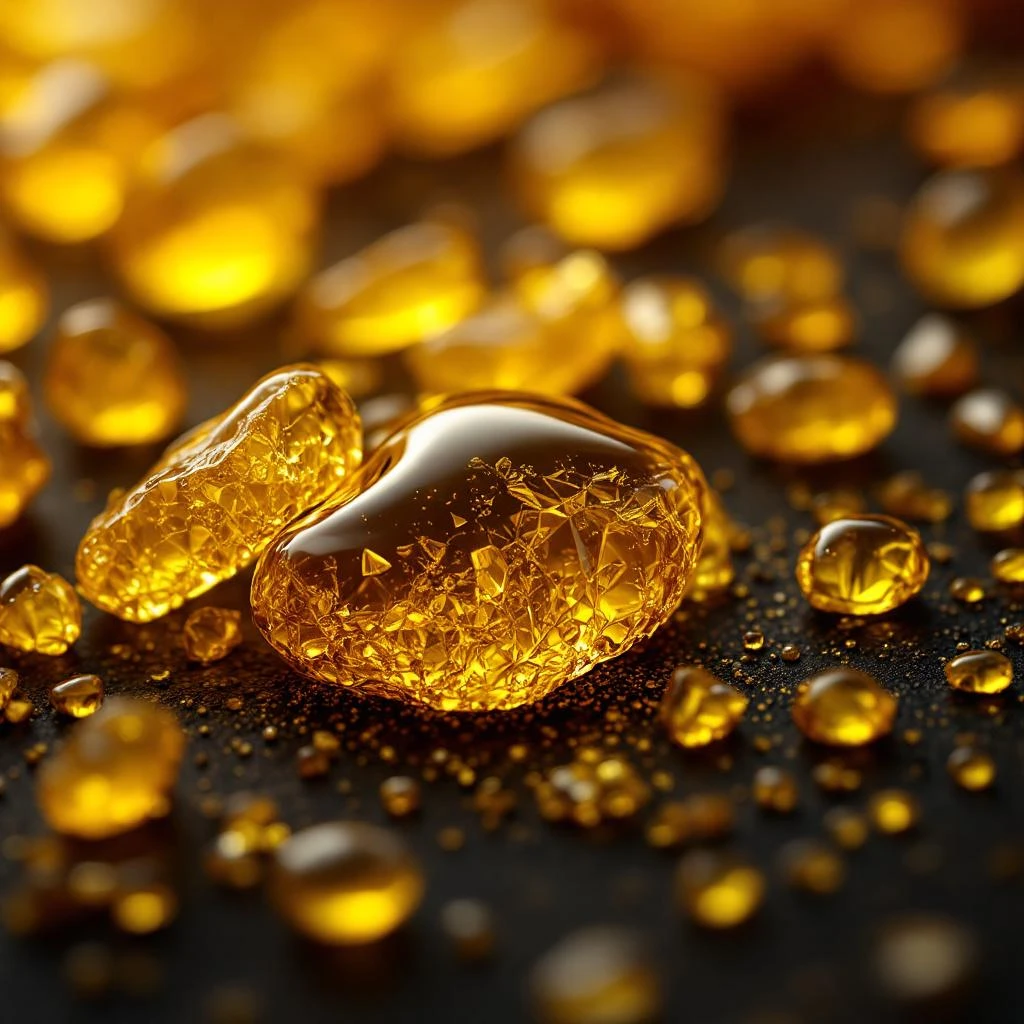
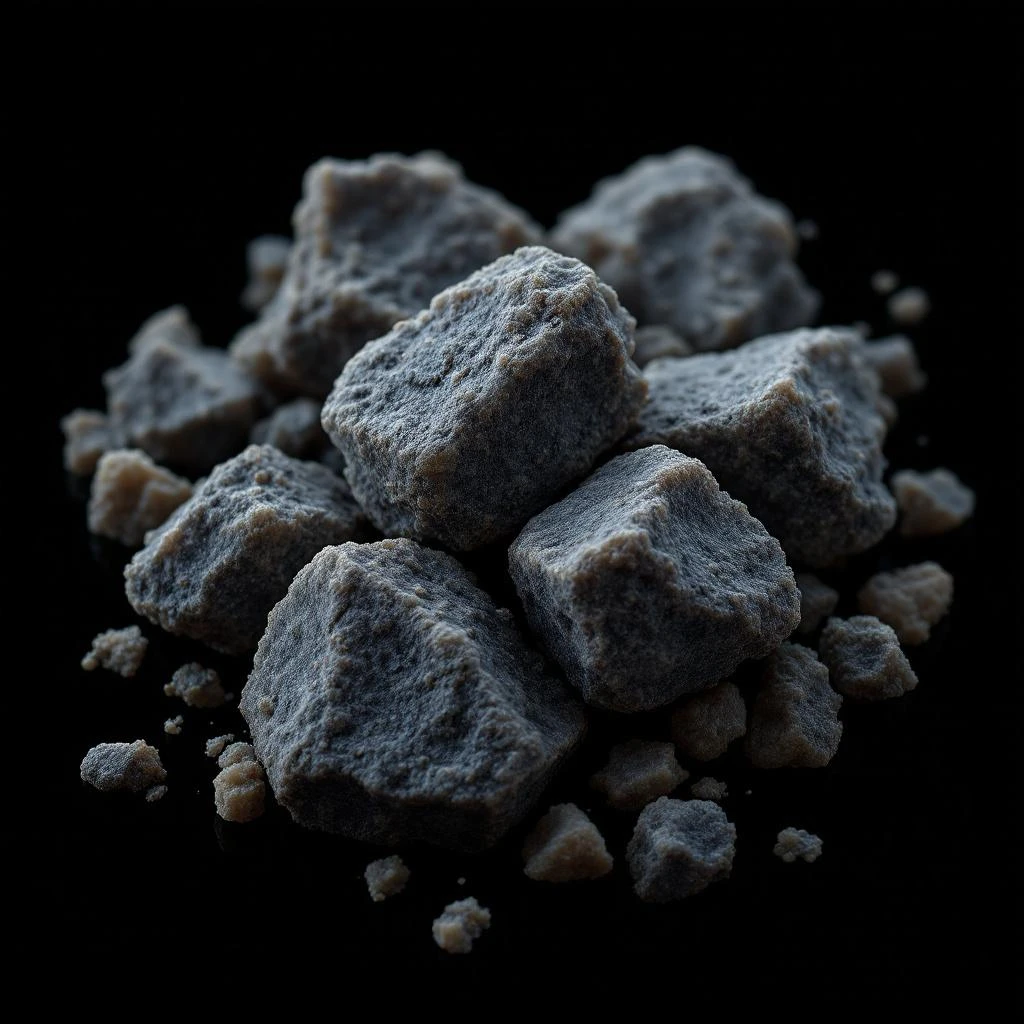
Copal resin has been present in human ritual and aromatic practice for at least two millennia, with some archaeological evidence suggesting use stretching back further in Mesoamerican ceremonial contexts. Among the Aztec and Maya, copal functioned as a sacred incense substance, burned in temples and offered to deities in forms that mirrored its importance in daily spiritual practice. When the Spanish arrived in the Americas, they encountered copal as an established trade good whose aromatic reputation had already spread across regions.
In contemporary Mexico, particularly during Day of the Dead celebrations, copal remains so intimately linked with the holiday that locals say the living and the dead share its aroma. The pungent, woody smoke rising from copal resin fires functions as a bridge between worlds in this cultural framework. This deep-rooted ritual significance is what drew perfumers to the material — it carries not only an aromatic profile but an inherited association with something timeless and otherworldly. Today, the same Bursera trees that generations of harvesters tapped continue supplying the global fragrance industry with a material whose cultural biography has never been interrupted.
Wears it best
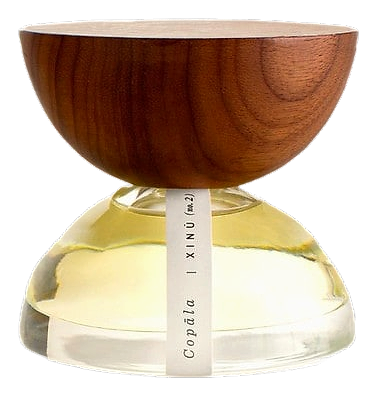
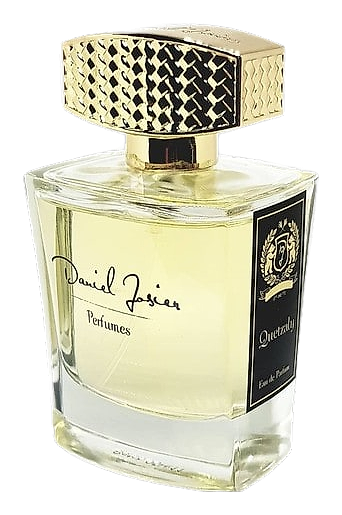
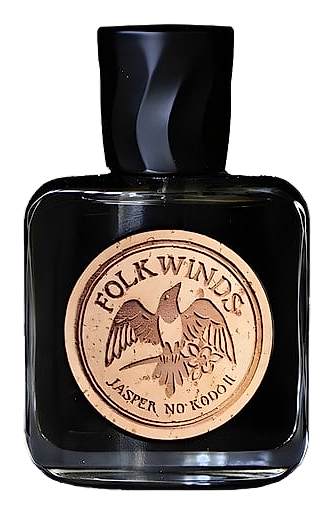
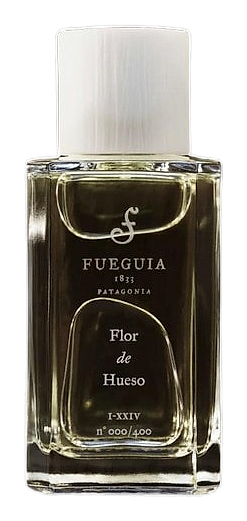
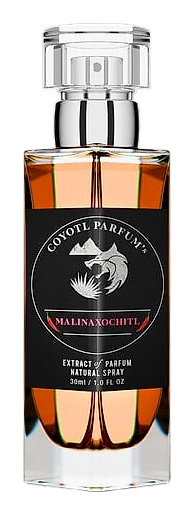
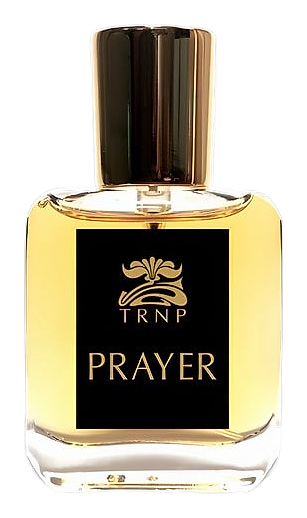
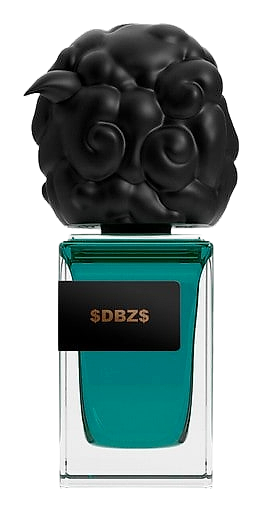
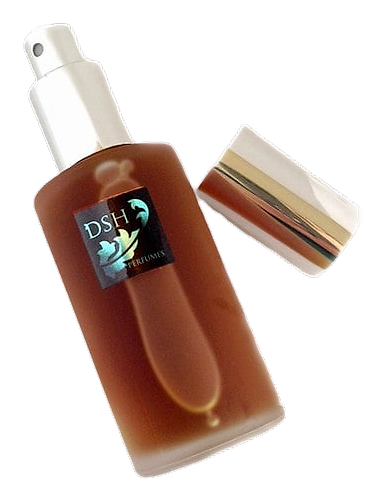
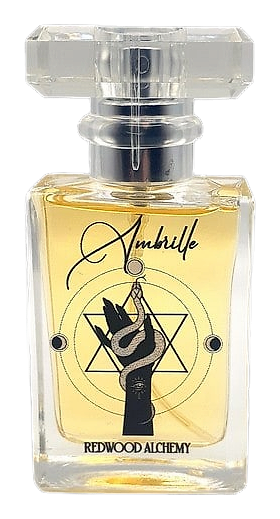
Fragrances featuring Copal
Brands
Brands known for Copal
Good to know
Questions, answered
The essentials on Copal in perfumery: how it smells, where it comes from, and how it behaves on skin.
What does Copal smell like in perfume?
Copal smells warm, resinous and balsamic with a distinctive pine-like quality and subtle citrus peel brightness over a base of sacred smoke. The aroma evokes burning incense in a cathedral rather than synthetic approximation, and it develops as a fragrance dries down over several hours.
Why is Copal used in perfumery?
Copal serves as both a fixative and a base note material. Its resinous compounds slow the evaporation of lighter fragrance components, extending wear time. Perfumers also use it to introduce tactile warmth, depth and an aromatic complexity that reads as ancient and grounded rather than modern.
Is Copal in perfume natural or synthetic?
Natural copal resin comes from Bursera and Protium trees through controlled bark tapping. Perfumers also work with synthetic aromachemicals that approximate its profile. Most premium and naturminded brands specify natural copal sourcing when it is a featured ingredient.
What famous perfumes contain Copal?
Copal appears in numerous oriental, incense and woody fragrance compositions. Specific perfume formulations are proprietary, but copal is a documented feature in artisan and niche ranges including some Fragonard, L'Artisan Parfumeur and discontinued Theo Fennell references.
Is Copal a top note, heart note, or base note?
Copal functions as a base note in perfumery. It has low volatility and remains detectable on skin for several hours, making it a late-stage fragrance material alongside ingredients like oud, patchouli and vanilla absolute.
What notes pair well with Copal in perfume?
Copal pairs naturally with other resinous ingredients including frankincense, myrrh and labdanum. Warm oriental combinations often include vanilla, benzoin, sandalwood and amber. Spices like cinnamon, cardamom and black pepper add contrast against Copal's smoky balsamic foundation.
How is Copal extracted?
Copal resin is collected by directedly tapping the bark of Bursera or Protium trees, allowing the exuded gum-resin to harden on the surface before harvest. The raw material is then processed via steam distillation, yielding essential oil at approximately 3 to 15 percent by weight in most batches.
Is Copal used in men's or women's fragrances?
Copal is neither exclusively masculine nor feminine as an ingredient. Its warm, smoke-tinged character adapts across fragrance genders. It appears prominently in orientals marketed to men, as well as in unisex and feminine incense compositions.