
The Story
Why it exists.
The beginning
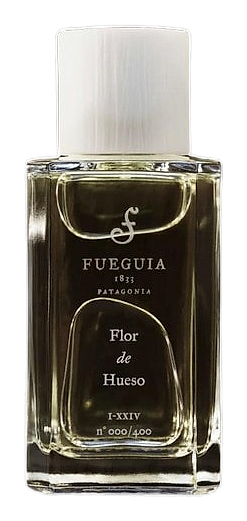
Flor de Hueso is Fueguia 1833's contribution to the Linneo collection, named for a mythical flower described in pre-colonial herbalism. The fragrance translates silver-petal imagery into a composition of Mexican ethnobotany: tuberose, vanilla, copal. The overall effect is a study in restraint and specificity. Tuberose arrives with an unusual density, almost vegetable in its greenness, while vanilla provides warm creaminess that never overwhelms. Copal anchors the composition with dry, slightly smoky resinous depth. The powdery silver quality that threads through the composition gives the florals an unexpected coolness, like moonlight on petals. The result is a fragrance that rewards attention, offering something different with each wear.
What makes the structure unusual is the absence of the typical tuberose trade-offs. The opening pivots instead toward green density, almost vegetable in character, before the powdery silver quality arrives. Vanilla lingers throughout, its presence reflective rather than nostalgic, warm without being heavy. Copal comes forward in the later stages, dry and slightly smoky, grounding the florals and adding resinous depth. The combination of these elements creates something intimate rather than announced, a fragrance that asks to be discovered rather than demanding attention.
The evolution
The opening is the test. Jasmine and green tuberose arrive with a density that reads almost vegetable, not sweet, not creamy, not the blowsy tuberose of summer gardens. The ambrette seed whispers beneath, adding warmth without softness. Then something shifts. Mexican vanilla arrives like light through clouded glass, not bright, not loud, just present in a way that makes everything around it feel quieter. Sandalwood arrives quietly, offering woodsy weight that holds the florals in place rather than letting them dissolve. By drydown, the copal takes over, dry, slightly smoky, resinous without being heavy. The powdery silver quality that's been building settles into the skin like a memory. On fabric the next day: warm vanilla and copal residue, nothing loud, nothing obvious. The kind of trace that makes you lean closer.
Cultural impact
Flor de Hueso enters a perfume landscape drawn to specificity and provenance. Fueguia 1833 builds from Latin American ethnobotany, a register that feels both specific and nuanced. The Linneo collection, where this fragrance sits, offers an alternative to seasonal releases, presenting each scent as a chapter in a broader exploration. For wearers who approach fragrance as a form of discovery and comparison, the house provides a framework grounded in botanical authenticity rather than marketing trends.