The Story
Why it exists.
The beginning
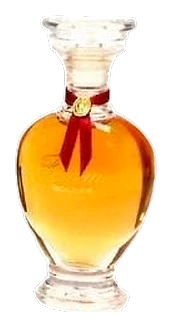
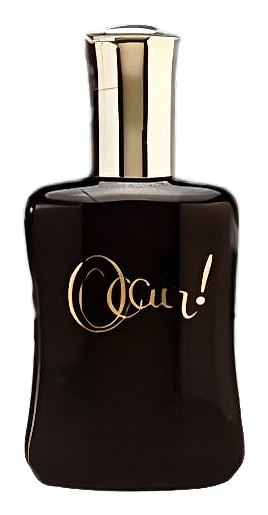
Occur! arrived in 1963 from Avon, a company with deep roots in American direct selling. The fragrance marked part of Avon's effort to build more ambitious women's compositions during a time when American perfumers were pushing beyond their earlier boundaries. Occur! was a chypre floral for women, built on aldehydes at the top, gardenia in the heart, and a base thick with castoreum, civet, and white honey. Myrrh, styrax, and patchouli add resinous depth in the middle layers, pushing the composition toward incense territory before the animalic base settles in. Avon named it with a verb and an exclamation point, giving the bottle a declarative quality that fits the era's tastes.
The composition pulls from the perfumery palette of its decade. Aldehydes give that lifted, soapy sparkle at the opening. Cardamom and coriander add a slightly exotic edge to the top notes, warm and spiced without becoming foody. The heart stacks carnation, jasmine, rose, and lily of the valley into a white floral wall, while myrrh, styrax, and patchouli push it toward incense territory with their resinous, smoky quality.
The evolution
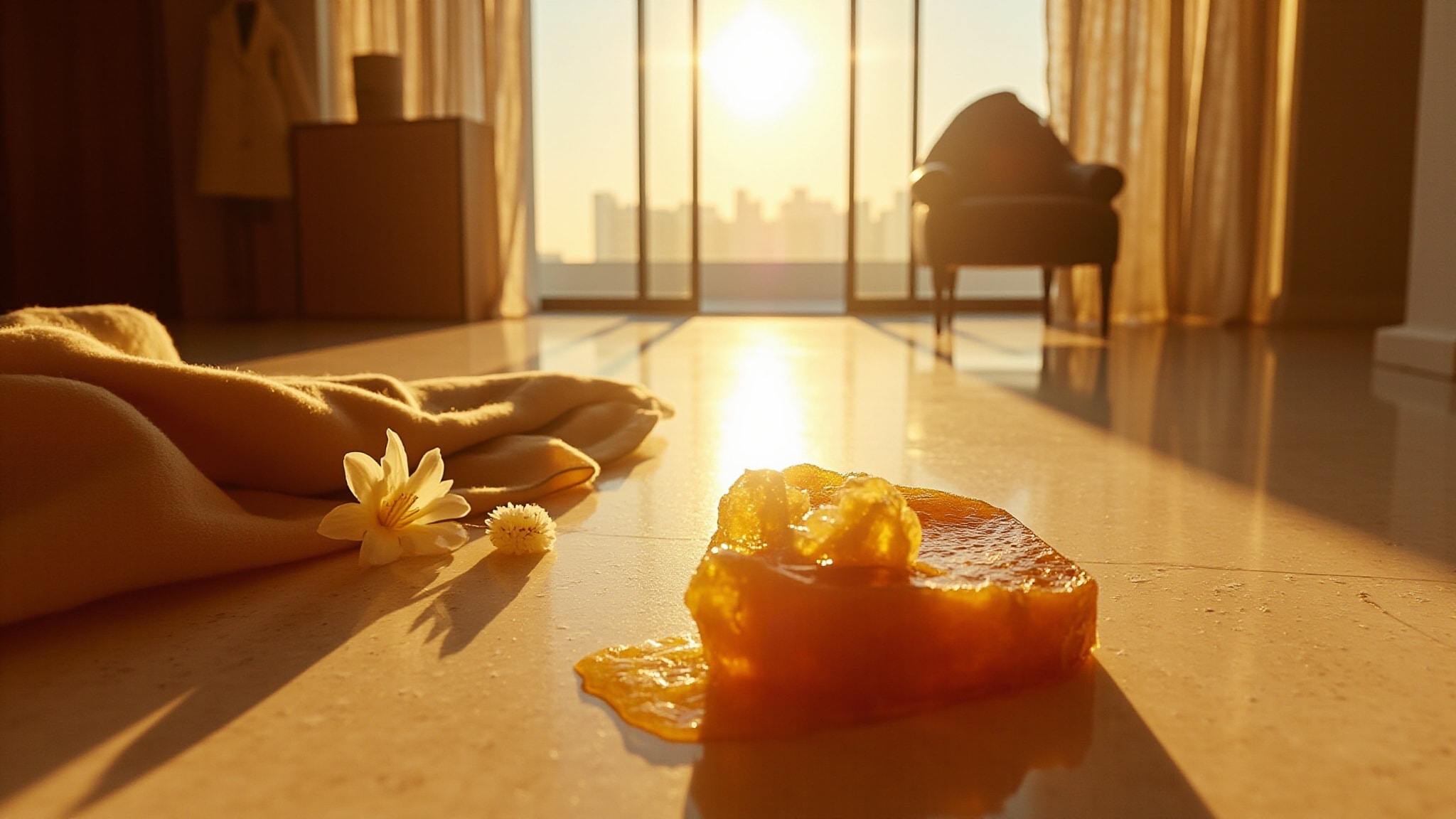
The first thirty minutes are bright and almost brittle, aldehydes catching light while gardenia and bergamot do their polished introduction. Cardamom flickers underneath, a thread of warmth you catch between breaths. By the one-hour mark, the chypre structure takes over. The florals deepen, carnation and jasmine gaining weight as the aldehydes retreat. Patchouli and styrax arrive like incense smoke drifting under a doorway, their resinous warmth wrapping around the white florals and giving them a darker cast. The base is where Occur! becomes itself: a warm, animalic foundation of castoreum, civet, and white honey, laced with oakmoss and a whisper of coconut. The honey is the through-line. It survives everything, lending a golden sweetness to the leather and amber underneath, and it remains detectable deep into the wear.
Cultural impact
Occur! sits within a moment when American perfumery was producing compositions of genuine ambition, and the chypre floral category was at the center of that output. The fragrance layers real civet, castoreum, and oakmoss into a structure meant for women who wanted complexity from their perfume rather than simple sweetness. Today it circulates among vintage enthusiasts who encounter it through estate sales, old vanity tables, and secondhand bottles passed down through families.