The Story
Why it exists.
The beginning
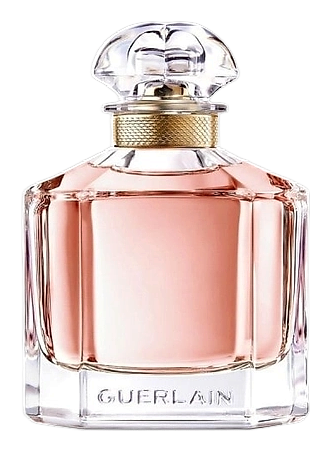
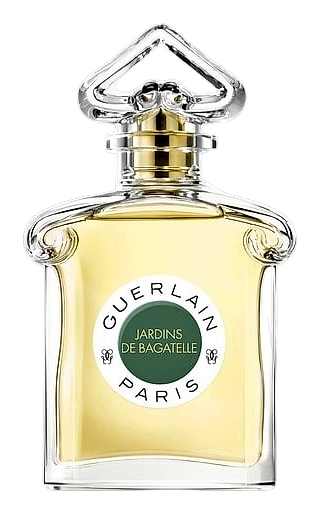
The Bagatelle gardens sit in the Bois de Boulogne, a manicured retreat where Paris goes to remember that beauty requires maintenance. The garden's ornamental layout, its rose parterre, its small palace bought by Marie-Antoinette on a dare: this is the reference. Not wilderness. Cultivated elegance at its most confident. Jean-Paul Guerlain composed Jardins de Bagatelle in 1993, naming it for this specific Parisian place. The intention was clear: translate the experience of a formal garden at its peak, when morning dew still holds on the petals but the sun has already decided the day will be warm. The white florals don't represent nature untamed, they represent nature arranged, every bloom in its place, nothing wasted, nothing excessive. That's the tension at the heart of this fragrance: opulence with structure, abundance with composure.
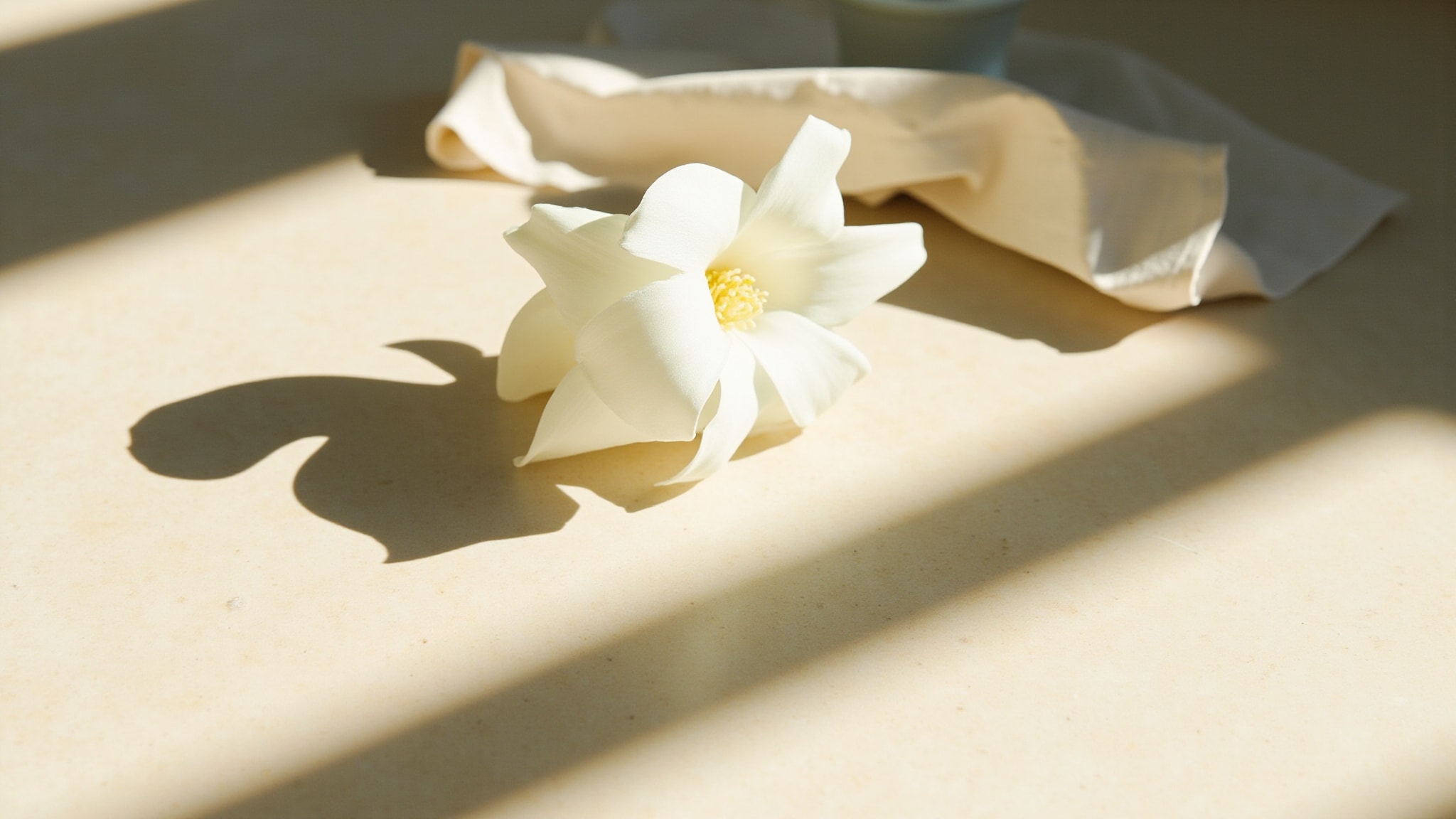
Nine white florals in the heart. Not a crowd, an ensemble. Jasmine, gardenia, tuberose, ylang-ylang, neroli, lily of the valley, orchid, magnolia, and rose. Most fragrances pick two or three and build around them. Jardins de Bagatelle stacks them, one on top of the next, trusting Guerlain's craftsmanship to keep it from collapsing into perfume fog. The aldehydes are the structural choice. They lift the florals, add a waxy luminosity that keeps the density from becoming cloying. They give the fragrance its vintage soul while the white florals keep it from feeling dated.
The evolution
The opening hits bright and citrus-forward. Bergamot and lemon arrive clean, with the aldehydes announcing themselves almost immediately, that waxy, effervescent quality that Guerlain has deployed since the 19th century. Violet threads through, adding a powdery softness that prevents the citrus from becoming sharp. By the five-minute mark, the florals begin their slow unfurling. Gardenia leads, creamy and slightly green. Jasmine follows, natural and heady. The aldehydes don't retreat, they lift the florals, creating an effect like light refracting through crystal. This is where the fragrance earns its name. Every bloom held in a particular arrangement, nothing left to chance. The heart sustains for two to three hours. Tuberose asserts itself here, adding a lush, almost buttery richness that could tip into heaviness on the wrong skin. The green notes, vetiver, the ghost of lily of the valley, keep everything grounded. The aldehydes remain, that persistent effervescence refusing to fully dissipate. By the fourth hour, the florals begin their gradual exit.
Cultural impact
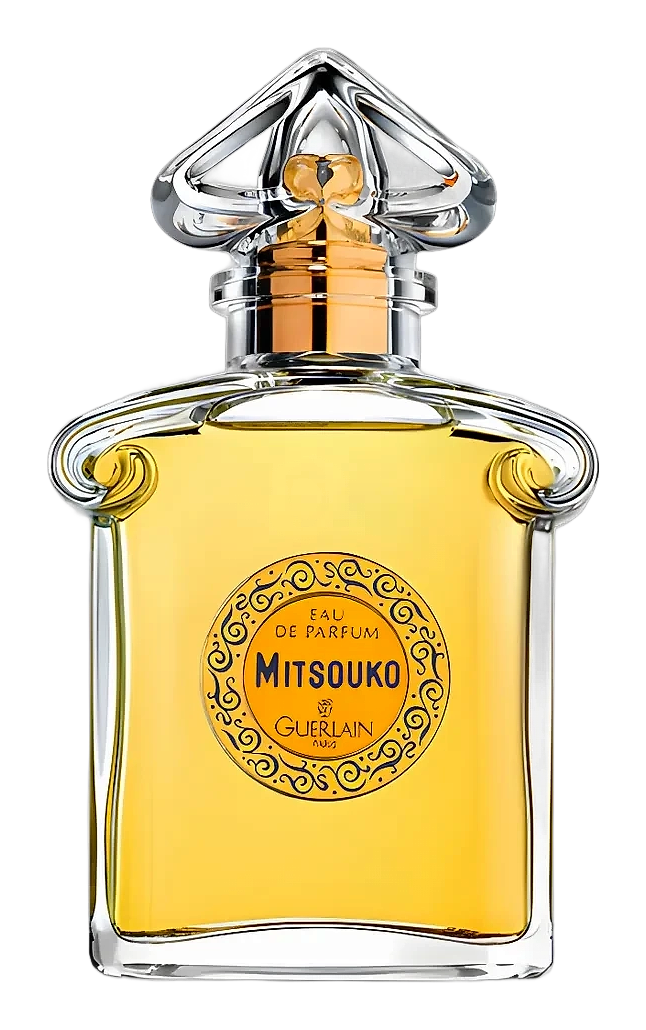
Jardins de Bagatelle joined Guerlain's Les Légendaires collection, reserved for fragrances that have earned their place in the house's permanent story. The aldehydic white floral genre has thinned in the decades since 1993, Guerlain has kept the form alive, trusted to execute what others have abandoned as commercially risky. The fragrance occupies a specific position: for the wearer who wants classic Guerlain without reaching for Mitsouko or Shalimar. White floral as inheritance, not nostalgia.