The Story
Why it exists.
The beginning
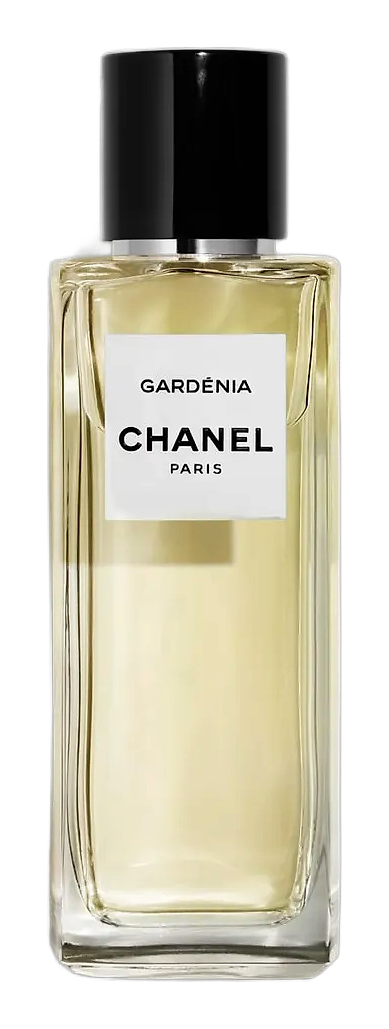
Created by Ernest Beaux in 1925, Gardénia represents a departure from convention: a white floral selected not for its scent, but for its absence of it. Mademoiselle Chanel liked white flowers, as her emblem was camellia. Since gardenia has no scent, it became the next best thing in her collection. The flower offered something different, built from suggestion rather than sweetness, a clean canvas on which composition could work where nature could not. Chanel approached fragrance as she approached fashion, treating the idea of a flower as material to be shaped and transformed rather than captured as it existed in a garden. This was composition over botany, the gardenia reimagined as something entirely its own through the alchemy of artistic intention.
Beaux delivered exactly that. Working with the cream of Grasse, gardenia absolute, coconut nuance, sweet fruit heart, a vanilla base that rises to meet the florals, he built something that smelled like the memory of white petals rather than the petals themselves. In 1925, this was radical. Florals were still chasing realism. Chanel was already composing.
The evolution
The opening hits green and cutting, stems rather than petals. The gardenia blooms into something creamy and full as the heart develops, with tuberose and jasmine giving the white floral composition a warm, almost edible richness. The drydown is where Gardénia distinguishes itself, the gardenia softening while remaining present, settling into vanilla and sandalwood that stay intimate and close to the skin for hours. The whole arc moves from anticipation to presence to memory, the progression revealing itself gradually on the skin.
Cultural impact
Gardénia occupies a quiet corner of Chanel history, crafted before the numbered line established the template for modern luxury fragrance. In the Les Exclusifs collection, it remains a distinctive work, a piece of olfactory history worth knowing for its refined character and enduring presence.