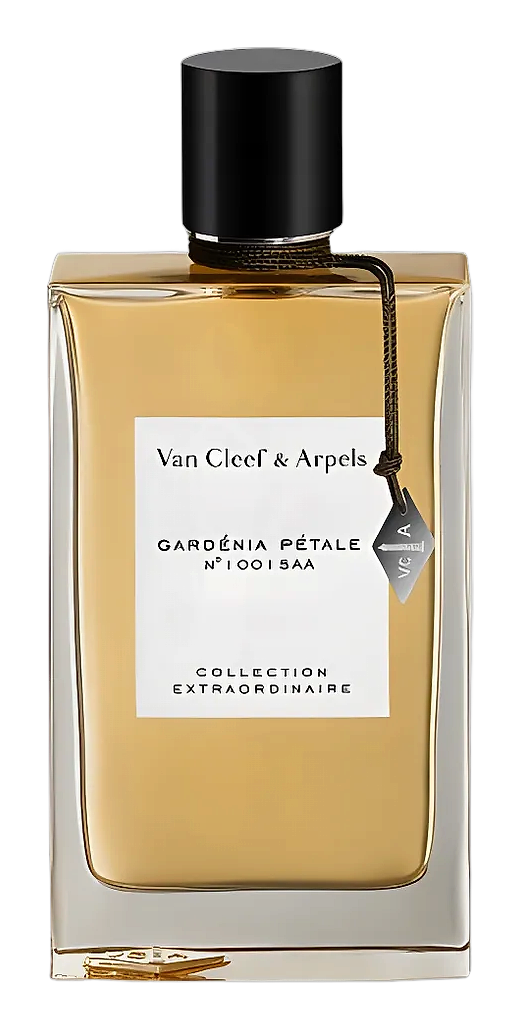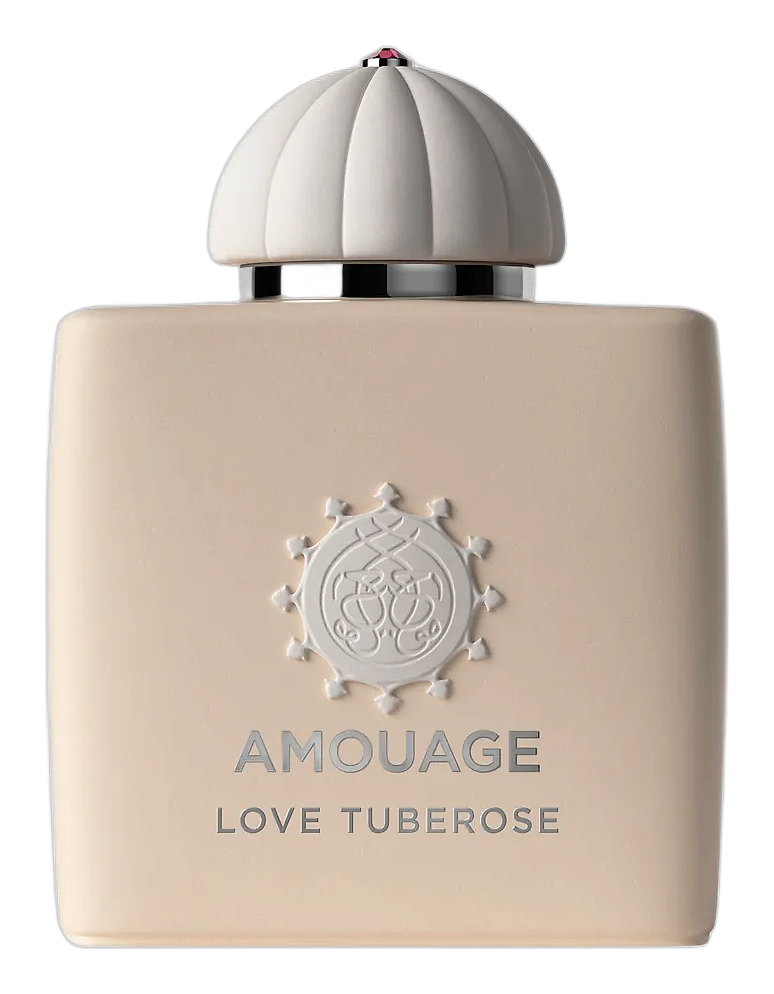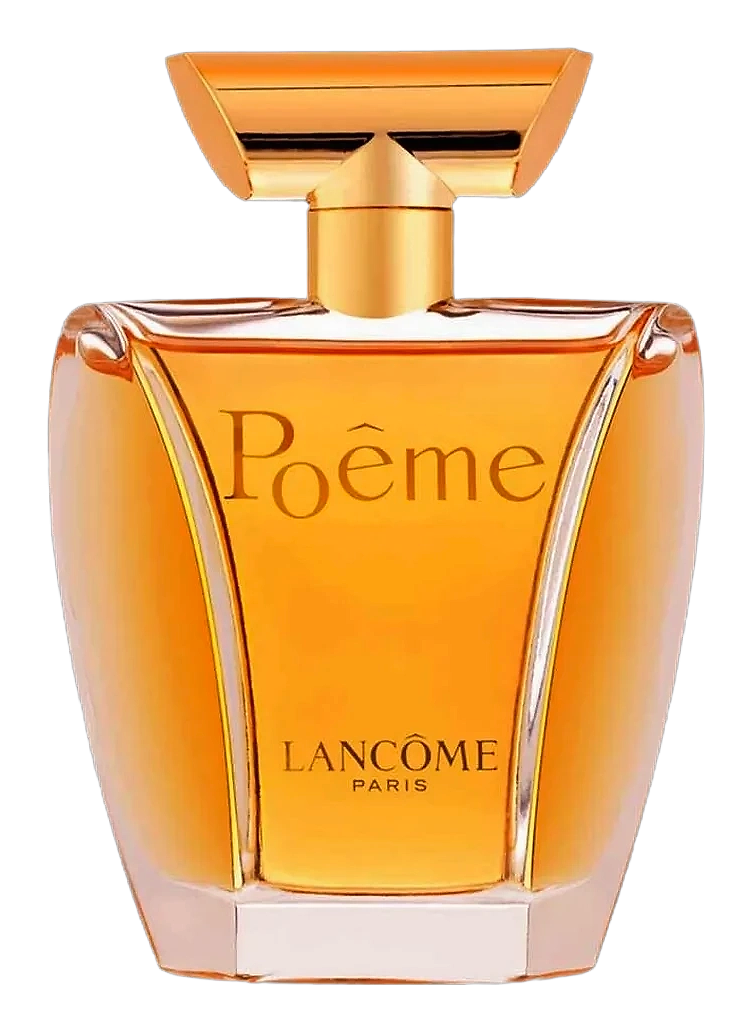
The Story
Why it exists.
The beginning
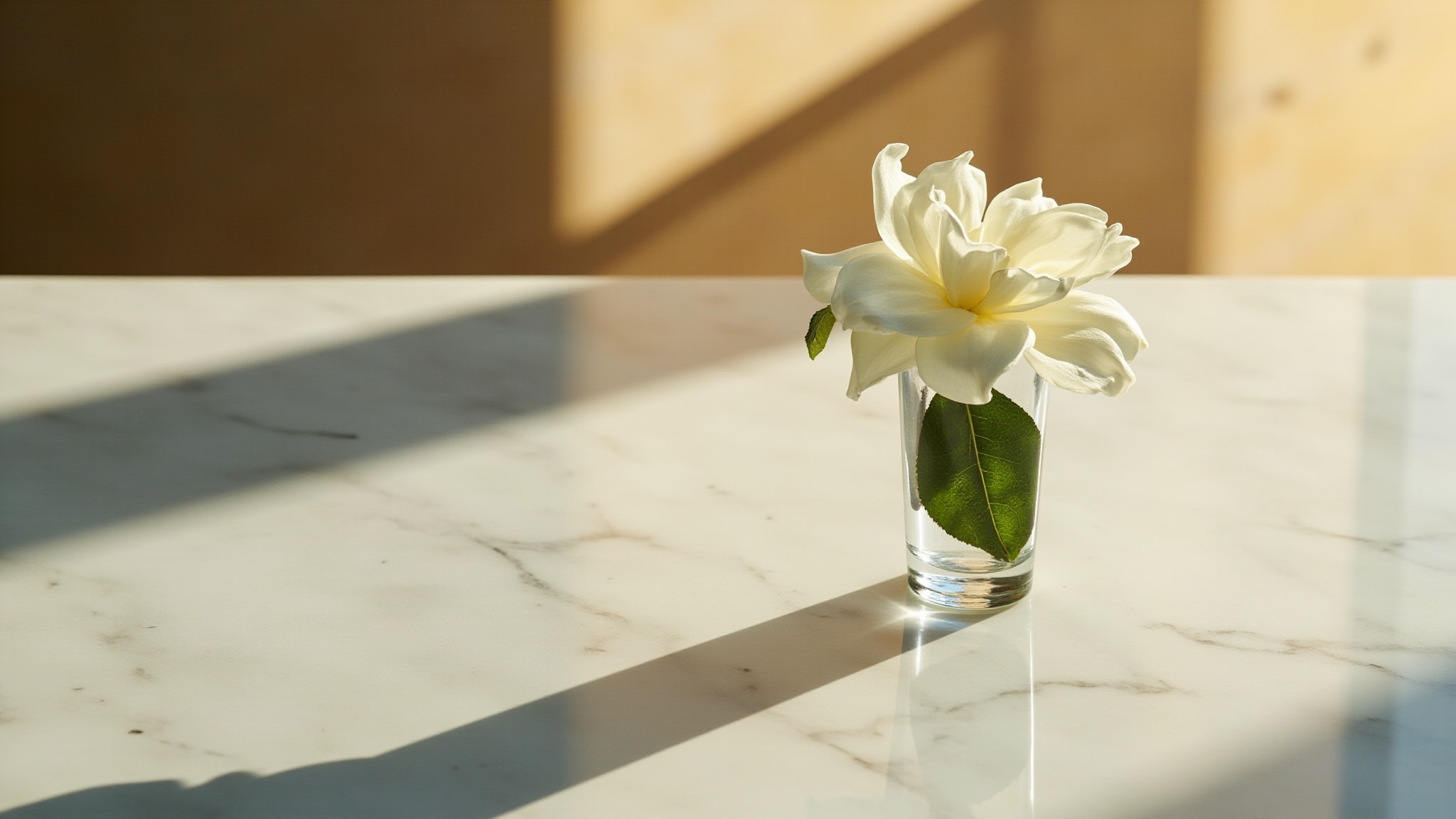
Aerin Lauder created this fragrance as a tribute to her grandmother, Estée Lauder herself, who kept two flowers close to her heart above all others: gardenia and tuberose. The year was 2007, and Aerin was building her own creative identity within the family house, drawing on memories and moments the founder had collected over decades. She didn't want to merely recreate the original Private Collection from the early 1970s; she wanted to honor its spirit while giving it a new voice. The result is a composition that carries family memory as its raw material, a granddaughter speaking in flowers about a grandmother who taught her that beauty was something you built, not something you found.
What makes this composition distinctive is the pairing of gardenia and tuberose not as equals but as a conversation. Gardenia is round, honeyed, almost buttery in its fullness. Tuberose is sharper, more animal, with that signature indolic bite that can read as either intoxicating or confrontational depending on the dose. Harry Frémont, working with Firmenich, solved the tension by surrounding both with neroli's citrus clarity and lilac's powdery softness, materials that temper without diluting. The rosewood in the top is easy to overlook, but it's doing structural work: adding a woody freshness that prevents the opening from going too sweet.
The evolution
The first twenty minutes belong to the citrus and green. Neroli opens bright, almost sharp, with lilac's powdery softness tempering the edges. Then the white florals take over, gardenia and tuberose arriving together, creamy and present, the tuberose asserting its signature indolic warmth almost immediately. The jasmine and orange blossom fill in the gaps, adding nectarous depth. By the second hour, the carnation announces itself, a quiet spice that deepens the composition without overwhelming it. The bourbon vanilla in the base anchors everything, extending the drydown for hours. On skin, this fragrance evolves slowly and stays close, strong sillage that doesn't project aggressively, just occupies the space around you with quiet insistence. The next morning, there's a trace on fabric that smells warmer, sweeter, almost like honey.
Cultural impact
Private Collection Tuberose Gardenia occupies a specific space in the white floral canon: it's not the aggressive, shouty tuberose of tropical fragrances, nor the powdery, vintage gardenia of classic perfumes. It's something quieter, more layered, a white floral for someone who wants presence without performance. The green edge running through the composition differentiates it from softer alternatives, giving it an architectural quality that appeals to people who appreciate structure in their fragrance.