The Story
Why it exists.
The beginning
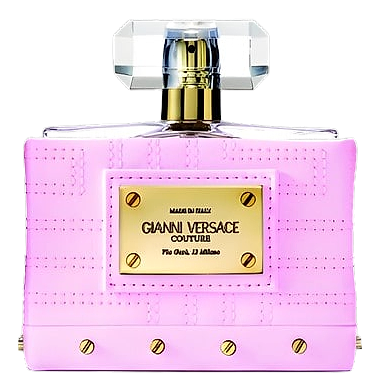
Couture Tuberose arrived in 2014 as part of the Gianni Versace Couture collection, a trio of fragrances that Donatella Versace described as perfumes 'not linked to a specific Atelier Versace collection' but meant to evoke 'sophisticated luxury' in their own right. Each came in a leather-clad flask with stitched Greek motifs, color-coded to their key ingredient. Pink for this one. The brief was personal: Donatella selected the notes she loved most and handed them to three Givaudan perfumers to interpret. Aurélien Guichard drew almond, ambroxan, and a tuberose note that the house wanted to make the centerpiece of the collection. The result was a white floral with an unusual foundation, not the clean soapy tuberose of some contemporaries, but something with a quiet animalic pulse underneath the sweetness. The collection launched exclusively in March 2014 and was positioned as a step beyond the classic Versace line.
What makes the structure interesting is how three materials with very different characters, creamy almond, lush tuberose, and the warm-ambergris of ambroxan, work without competing. Almond is sweet and almost edible; ambroxan is dry, marine, and slightly salty. In most compositions those two would pull in opposite directions. Here, Guichard uses the tuberose heart as a bridge: its creamy-green richness absorbs the sweetness of the almond and gives the ambroxan something warm to land on in the drydown. The result is a fragrance that feels cohesive from spray to fade, moving through sweetness, richness, and skin-warmth without ever lurching into a new character.
The evolution
The opening is immediate: creamy almond meets a bright, luminous white floral lift that announces itself without fanfare. The tuberose doesn't creep in slowly, it's there from the first moment, joined quickly by the almond's sweet marzipan warmth. For the first hour, the composition is lush and fruity-sweet, almost nougat-like, with the florals pushing forward in an unapologetic declaration. Several hours in, the heart shifts. The almond and tuberose settle into something richer and rounder, still sweet, but less playful, more grounded. This is where the fragrance earns its couture name. The sweetness doesn't disappear; it deepens into an almost edible warmth, like nougat left in warm hands. The drydown is where ambroxan takes over. The salt-ambergris quality adds an animalic, skin-like dimension that pushes the sweetness toward something warmer and more intimate. By the final hours, the composition sits close to the skin, intimate, warm, the kind of scent that someone leaning in will discover before you even know they're near.
Cultural impact
Couture Tuberose sits in a specific corner of the market: the bold, unapologetic white floral for someone who wants the presence of a fashion house without the conventionality of a mainstream floral. The animalic ambroxan in the base puts it closer to niche territory in spirit, even within a luxury fashion structure. It's the kind of fragrance that attracts strong opinions, people who love it find it memorable and distinctive; those who don't often cite the sweetness as the reason. That polarization is almost inherent to the genre: tuberose demands commitment. What sets this one apart from peers like Fracas or Carnal Flower is the almond-warmth foundation and the way the ambroxan keeps the whole composition intimate rather than projecting.