The Story
Why it exists.
The beginning
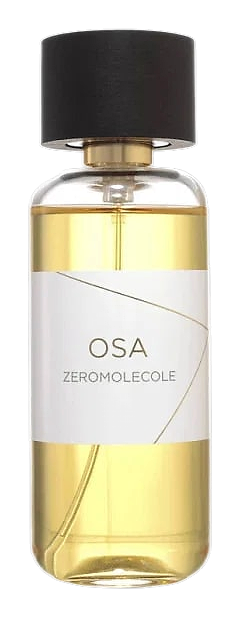
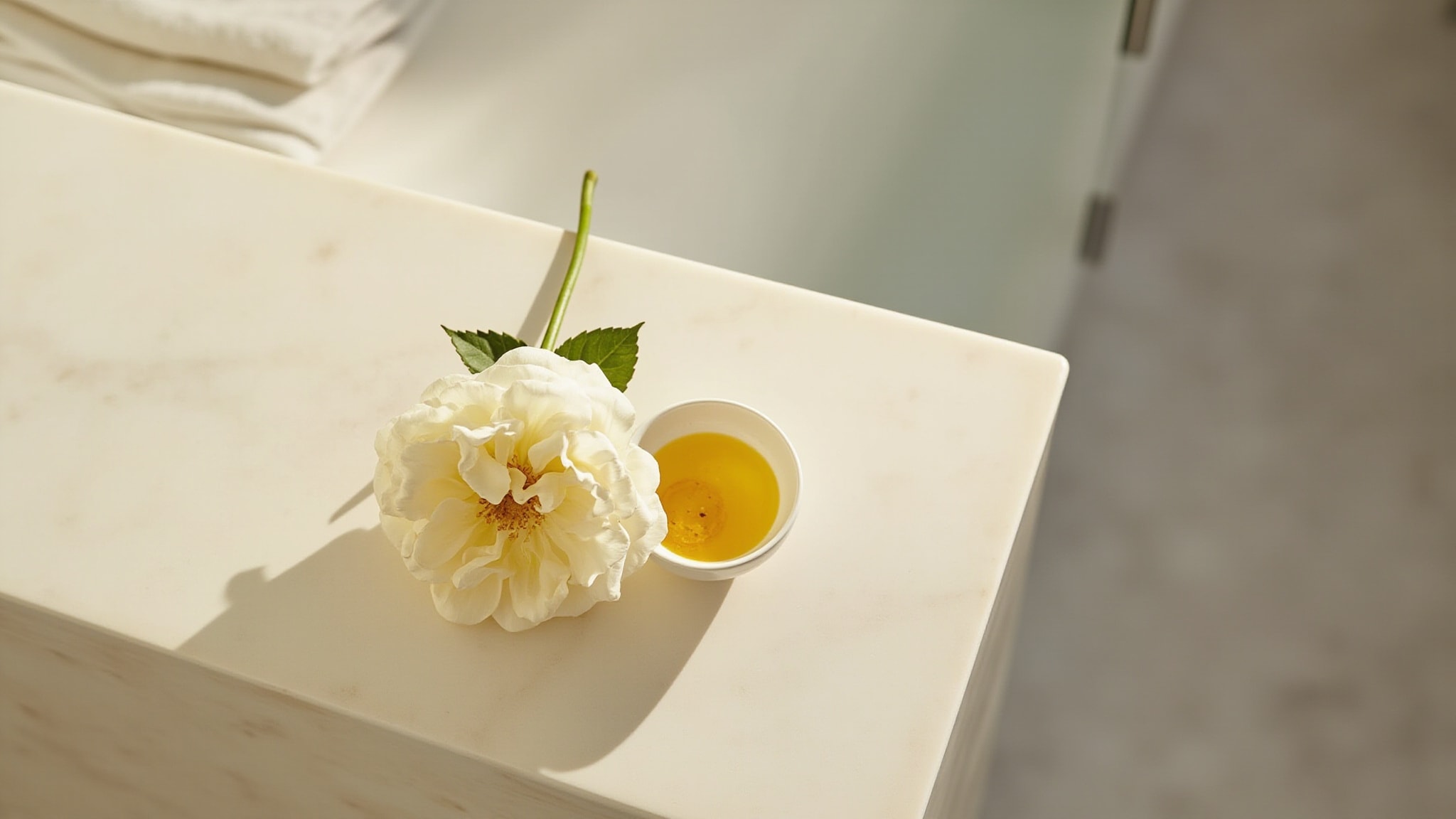
Osa arrived in 2015 from Stefania Marzufero Boni, the nose behind Zeromolecole. Osa was the result of a philosophy pushed to its most assertive edge: a single flower, magnified until it became the entire conversation. Tuberose is one of perfumery's most polarizing flowers, narcotic and fleshy, and she built the entire structure around letting it speak without interruption. No citrus to brighten it, no woods to ground it, no clever trick to make it palatable. Just the flower, orange blossom for softness, tiaré for that sun-warmed tropical wax, and musk to anchor everything to skin. The composition opens dense and unapologetic. There's no brightness, no lift, no cool aldehyde sparkle to create distance.
What's structurally interesting about Osa is what it leaves out. Most compositions build architecture around a flower: a bright head, a heart, a base that grounds and extends. Osa has almost none of that scaffolding. The pyramid is absurdly short: tuberose absolute, tiaré, orange blossom, and musk. That's it. This is reduction taken to a place most perfumers would consider reckless. Tuberose absolute is dense, almost indolic, carrying that curious tension between fresh cream and something more animal.
The evolution
The first hour is heavy with tuberose, almost dizzying in its density. There's no bright opening to ease you in. The flower arrives at full volume, its creamy indolic weight sitting close to the skin with immediate authority. Orange blossom appears within minutes, not as a separate note but woven into the tuberoses sweetness, giving it that honeyed lift that keeps the flower from collapsing into itself. Tiaré follows, that recognizable tropical wax, like sunscreen mixed with gardenia, adding a creamy warmth that makes the whole thing feel sunlit rather than nocturnal. As the composition develops, the indolic edge of tuberose absolute starts to soften. What was sharp becomes plush.
Cultural impact
Osa arrived in 2015 as one of the most concentrated floral compositions released by a niche house that year. The structure is minimal, almost skeletal, and that minimalism is the point. Tuberose absolute alone, magnified, with only tiaré, orange blossom, and musk as supporting structure. What makes Osa notable within its release window is the degree to which it commits to a single botanical idea. Many florals of the period layered jasmine, rose, and orange blossom over a creamy sandalwood base, building complexity through accumulation. Osa moves in the opposite direction.