    Brand Profile

    Zeromolecole is an Italian niche fragrance house that pursues scent through reduction rather than accumulation. Founded in 2010 within the h…More

    Italy·Est. 2010·Site

    2

    Fragrances

    4.3

    Rating

    Just Landed

    New Arrivals

    The latest additions to the Zeromolecole collection.

    21
    Nèh by Zeromolecole
    Best Seller
    4.5

    Nèh

    Cosmico by Zeromolecole
    4.0

    Cosmico

    Rosa Galattica by Zeromolecole
    NewBest Seller
    4.5

    Rosa Galattica

    Osa by Zeromolecole
    Best Seller
    4.3

    Osa

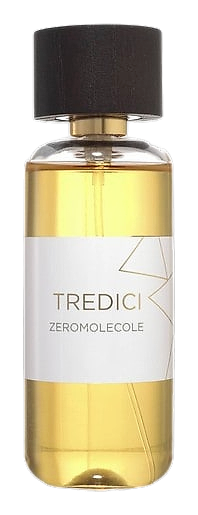
    Tredici by Zeromolecole
    4.3

    Tredici

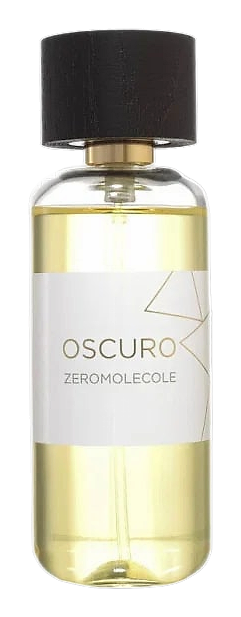
    Oscuro by Zeromolecole
    4.2

    Oscuro

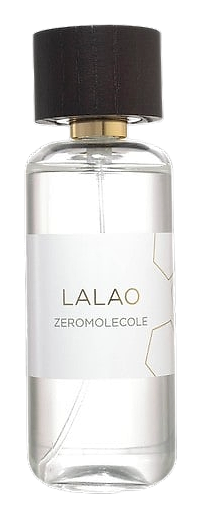
    Lalao by Zeromolecole
    4.1

    Lalao

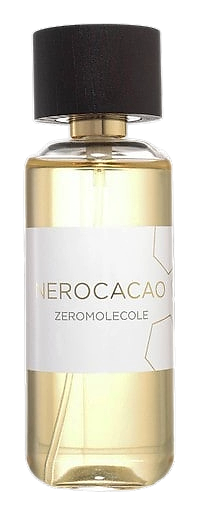
    Nerocacao by Zeromolecole
    4.1

    Nerocacao

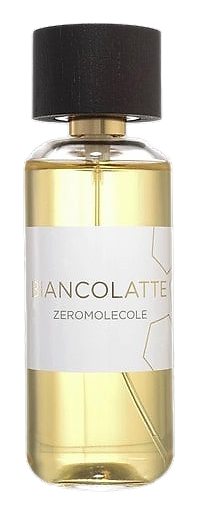
    Biancolatte by Zeromolecole
    4.0

    Biancolatte

    Amamè by Zeromolecole
    4.0

    Amamè

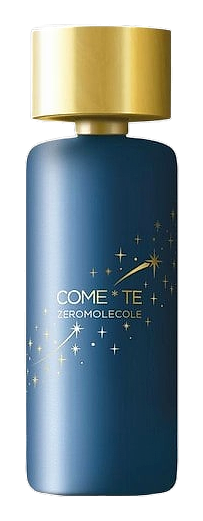
    Come*Te by Zeromolecole
    New
    4.0

    Come*Te

    Clori by Zeromolecole
    3.9

    Clori

    1 of 2

    The Heritage

    The Story of Zeromolecole

    Zeromolecole is an Italian niche fragrance house that pursues scent through reduction rather than accumulation. Founded in 2010 within the historic Maitre Perfumeur studio, the label offers a compact portfolio that includes Rosa Galattica (2025), Osa (2014) and Biancolatte (2011). Each composition strips away excess, leaving a clear, essential core that invites the wearer to focus on a single olfactory idea. The brand distributes its scents primarily in 50 ml glass bottles, a format favoured by collectors and retailers alike.

    Heritage

    Zeromolecole emerged from Maitre Perfumeur, one of Italy’s first artistic perfumery houses, in 2010. The studio, based in Turin, had built a reputation for experimental scent work during the late 1990s, and it provided the laboratory space and mentorship that allowed a young perfumer to launch her own label. Stefania Marzufero Boni, the creative force behind Zeromolecole, grew up in Turin and began mixing aromas as a child, a passion that later guided her professional path. Her first release, a minimalist fragrance that bore the house’s name, arrived the same year and signalled a new direction for Italian niche perfumery. Over the next decade the brand introduced a steady stream of scents, each marked by a year‑specific title: Nèh, Nerocacao and Biancolatte in 2011, Lalao in 2012, Osa in 2014, Amamè in 2015, Tredici in 2018, Oscuro in 2019, and the twin releases Rosa Galattica and Come*Te in 2025. These launches coincided with modest expansions of the brand’s distribution network, first through boutique specialty shops in Milan and Turin, then through online platforms that catered to collectors worldwide. Throughout its growth, Zeromolecole retained its independent status, avoiding acquisition by larger conglomerates and preserving the hands‑on approach that characterised its early years. The house celebrated its tenth anniversary in 2020 with a limited‑edition re‑issue of its 2011 classics, a move that reaffirmed its commitment to the original scent concepts that defined its identity.

    Craftsmanship

    Production at Zeromolecole takes place in the same laboratory that served Maitre Perfumeur, a facility known for its artisanal approach to perfume creation. The house works with small‑batch mixing, preparing each batch by hand under the direct supervision of Stefania Boni. Ingredients are sourced from European growers whenever possible; for example, the rose absolute used in Rosa Galattica originates from Bulgarian fields, while the milk‑derived notes in Biancolatte rely on dairy‑farm extracts from northern Italy. The brand’s retail offering consistently appears as 50 ml glass bottles, a detail highlighted on several retailer listings. These bottles are filled on a controlled line that monitors temperature and humidity to preserve the integrity of the volatile oils. After bottling, each perfume undergoes a resting period of several weeks, allowing the scent to stabilise before it reaches the market. Quality control includes olfactory testing by a panel of experienced noses, who verify that the final product matches the original brief. The house does not employ mass‑production techniques; instead, it limits annual output to maintain consistency and to keep each release distinct. This disciplined production model reflects the reductionist ethos that defines the brand’s creative output.

    Design Language

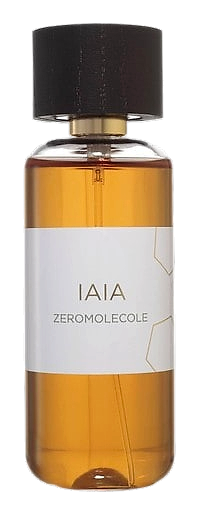
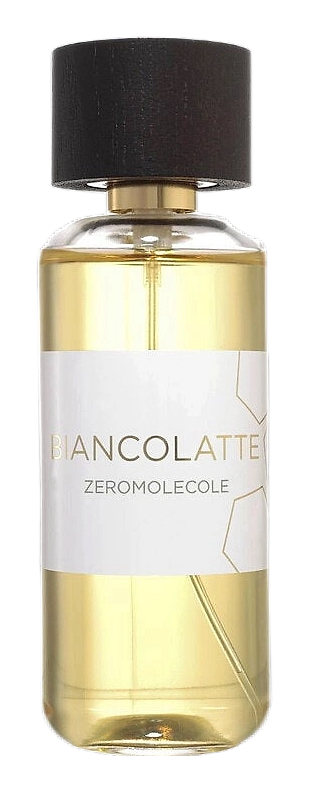
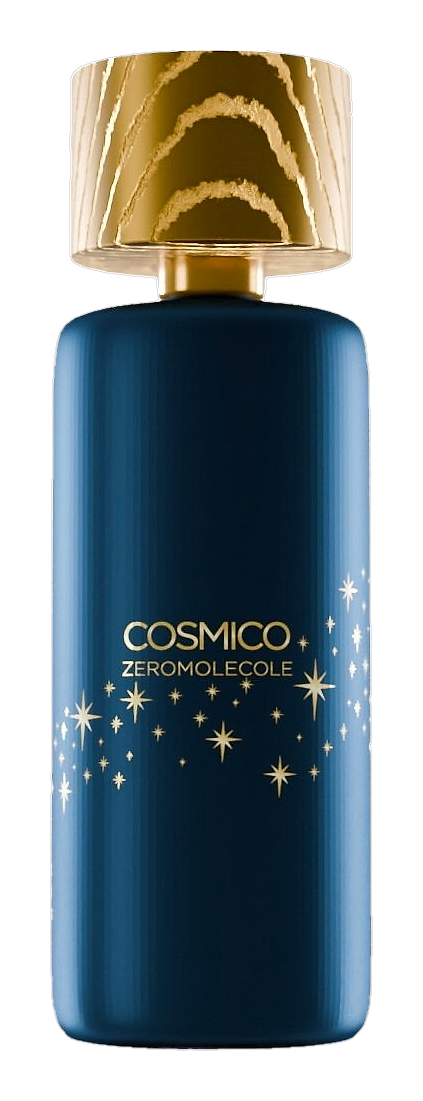
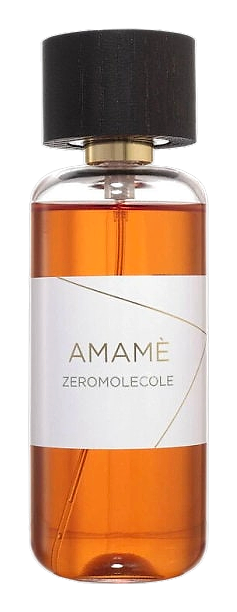
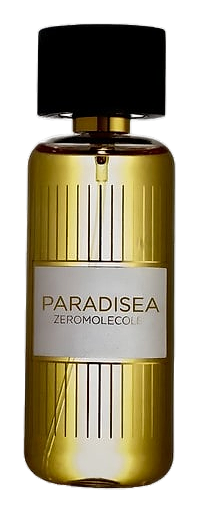
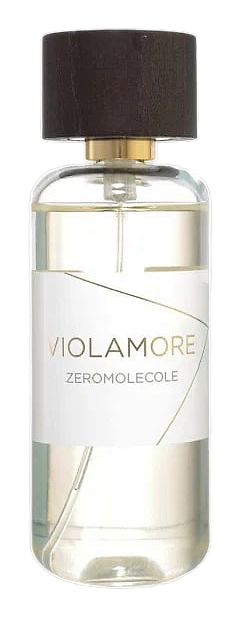
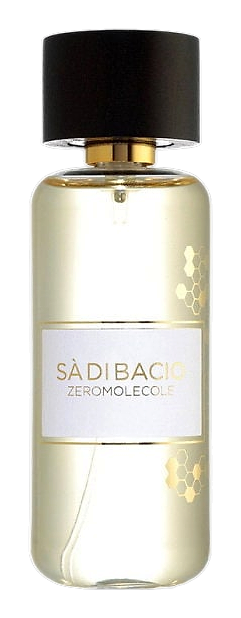
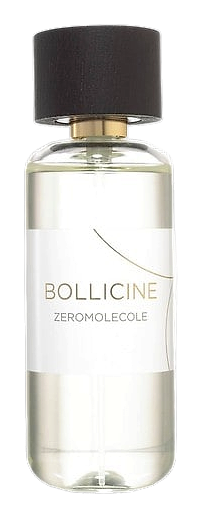
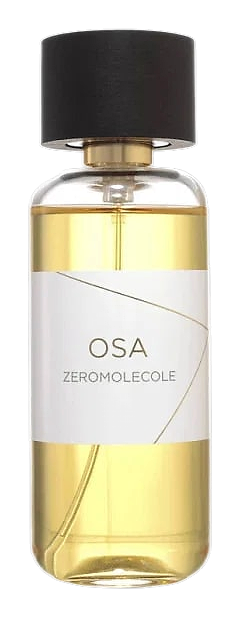
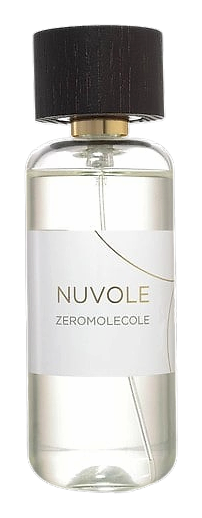
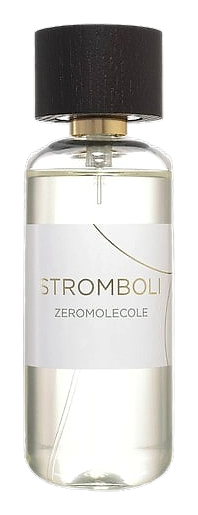
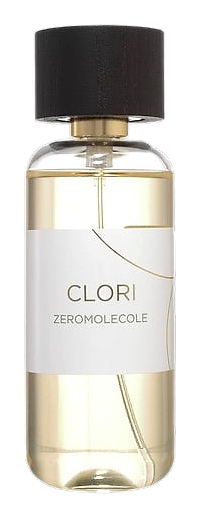
    Visually, Zeromolecole mirrors its olfactory minimalism. The bottles feature clear glass with a simple, matte‑black cap, allowing the colour of the liquid to become the primary visual cue. Labels consist of a thin sans‑serif typeface printed in black on a white background, presenting only the name of the fragrance and the year of release. No ornate embossing or decorative ribbons appear, reinforcing the brand’s focus on essentiality. The brand’s website follows the same clean grid, offering high‑resolution photographs of the bottles against neutral backdrops and brief, factual descriptions rather than flowery copy. In retail settings, the fragrances are displayed on minimalist wooden trays, often accompanied by a single spritz‑test strip, encouraging the consumer to experience the scent directly rather than being distracted by elaborate branding. This restrained visual language has earned the house a modest following among collectors who appreciate coherence between scent and design.

    Philosophy

    The guiding idea at Zeromolecole is reduction. Rather than layering dozens of accords, the house isolates a single aromatic intention and builds a composition around it. This philosophy, expressed on the brand’s Instagram as a search for “the essential”, translates into formulas that often feature a narrow palette of ingredients, each chosen for its clarity and persistence. Stefania Boni describes the process as a dialogue with the material: she removes what distracts, then amplifies what remains, allowing the wearer to experience a scent without narrative clutter. The result is a series of fragrances that read like single‑note studies – a rose rendered without supporting florals, a milk‑white accord that avoids sweetening, a dark amber that forgoes synthetic sparkle. By limiting the molecular count, the house aims to reveal the intrinsic character of each raw material, encouraging a more mindful interaction between skin and scent. This minimalist stance also informs the brand’s packaging, marketing and retail strategy, all of which avoid ornamental excess in favour of clean, functional presentation.

    Key Milestones

    2010

    Zeromolecole launches its first fragrance within the Maitre Perfumeur studio, marking the brand’s founding.

    2011

    Three early scents – Nèh, Nerocacao and Biancolatte – debut, establishing the house’s reductionist style.

    2012

    Lalao is released, continuing the yearly cadence of minimalist compositions.

    2014

    Osa arrives, expanding the portfolio and gaining placement in boutique shops in Milan.

    2018

    Tredici launches, noted for its single‑note focus on amber.

    2025

    Rosa Galattica and Come*Te are introduced, the most recent additions to the line.

    At a Glance

    Brand profile snapshot

    Origin

    Italy

    Founded

    2010

    Heritage

    16

    Years active

    Collection

    2

    Fragrances released

    Avg Rating

    4.3

    Community sentiment

    Release Rhythm

    2025
    2
    2024
    2
    2023
    1
    2022
    1
    2019
    2
    2018
    1
    2015
    1
    2014
    1
    zeromolecole.com

    Did You Know?

    Interesting Facts

    Distinctive details and defining moments that shape the house personality.

    01

    Stefania Marzufero Boni grew up in Turin and began experimenting with scent as a child, a detail recorded on Parfumo.

    02

    The brand’s earliest edition appeared in 2010, positioning Zeromolecole among the first wave of Italian niche houses after the 2000s boom.

    03

    Zeromolecole consistently offers its fragrances in 50 ml glass bottles, a format highlighted on retailer listings and valued by collectors.

    04

    An Instagram post in 2024 announced three new oil‑type Eau de Parfums, showing the house’s brief foray into oil formats.

    05

    A YouTube review of Biancolatte amassed over 2,800 views, indicating the fragrance’s resonance within the niche perfume community.