
The Story
Why it exists.
The beginning
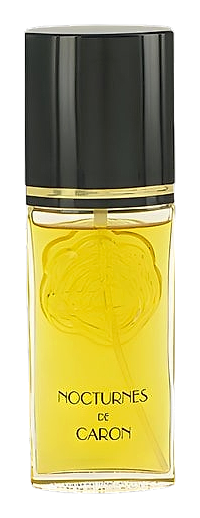
In 1981, perfumer Gerard Lefort created Nocturnes for Caron with a conceit buried in the name itself: a musical suite. The aldehydes open like a first movement, structured, bright, commanding attention. Then the florals arrive: jasmine, ylang-ylang, and tuberose building in warmth like an orchestra swelling, their creamy richness layered against the aldehydic sparkle. The base settles into something quieter, musk, sandalwood, and vanilla that lingers like the last chord after the audience has left, grounding the composition in a soft, enduring embrace.
The aldehydic opening is the tell. That sharp, sparkling quality, almost like the smell of a just-lit candle, isn't trying to be modern. It's a nod to the classical perfumery tradition that came before, when fragrances announced themselves with confidence. But Nocturnes doesn't stay there. The heart is where it becomes its own thing: a lush, almost excessive floral richness that pulls from jasmine, ylang-ylang, and the powdery sweetness of orris root. This is the part that smells expensive, not because of any single ingredient, but because of how they layer and build together.
The evolution
The opening hits immediately, aldehydes sparkling like light on water. Within minutes, the florals take over: jasmine and ylang-ylang arriving in a wave that feels almost too lush, too generous. The aldehydes don't disappear entirely; they soften and become part of the background, keeping the florals from ever becoming cloying. The drydown is where it becomes intimate: a powdery warmth from the orris and benzoin that clings to skin, a soft finish that follows the initial brightness. This is the part people ask about, where the fragrance reveals its quieter depths.
Cultural impact
Nocturnes de Caron occupies an interesting position among aldehydic florals, neither purely vintage nor aggressively modern. The aldehydes signal a classical tradition, but the generous floral heart and powdery drydown give it a contemporary edge. Wearers describe it as the kind of fragrance someone chooses deliberately, not defaulting to whatever's trending. Its aldehydic signature connects it to the great classical compositions, while the lush floral heart and soft, powdery base speak to a modern sensibility that rewards close attention.