The Story
Why it exists.
The beginning
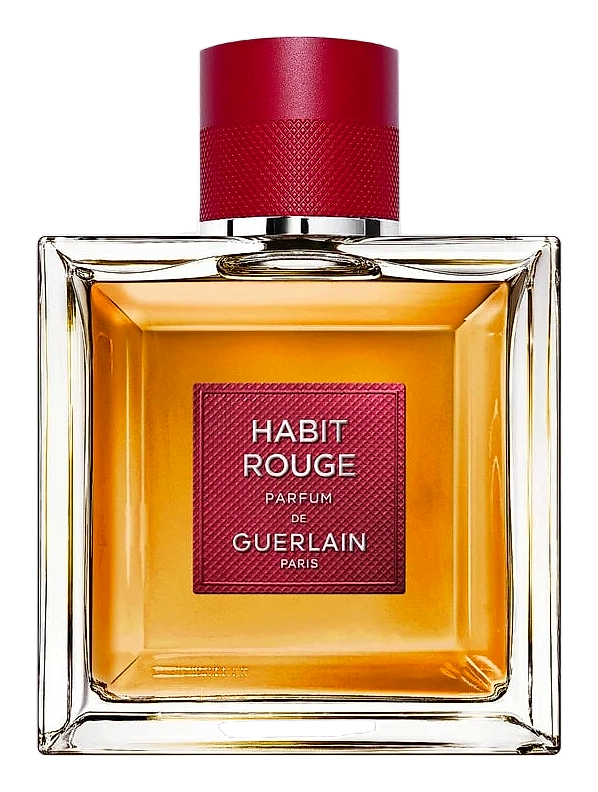
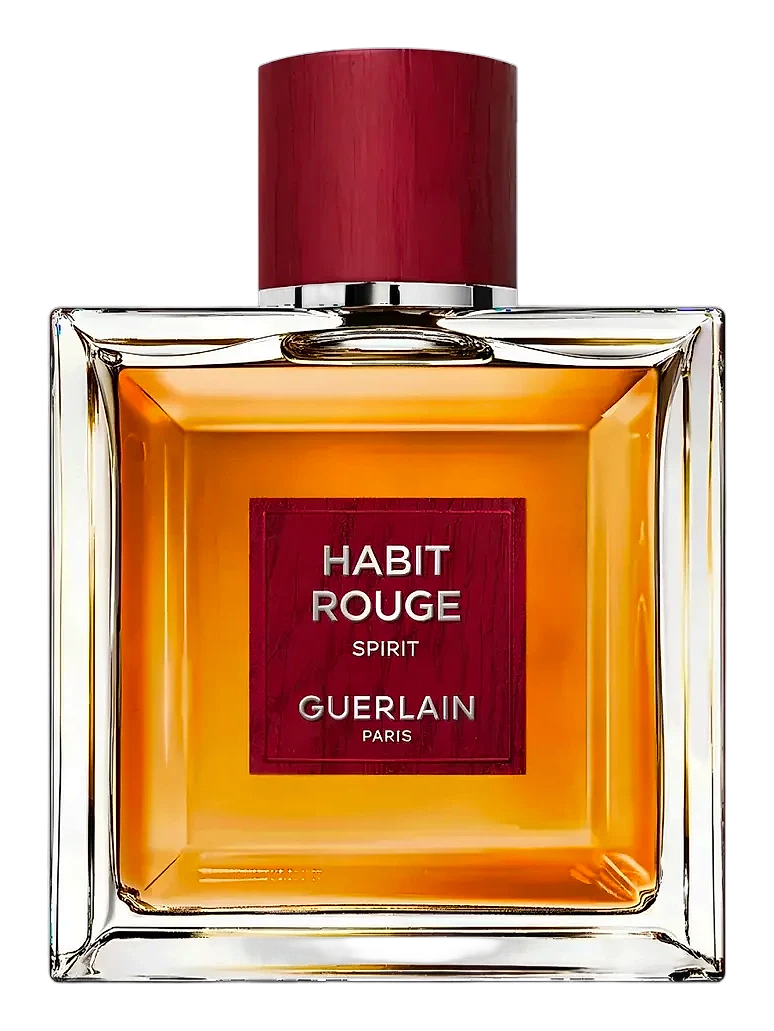
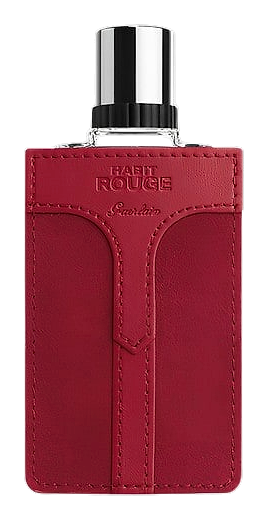
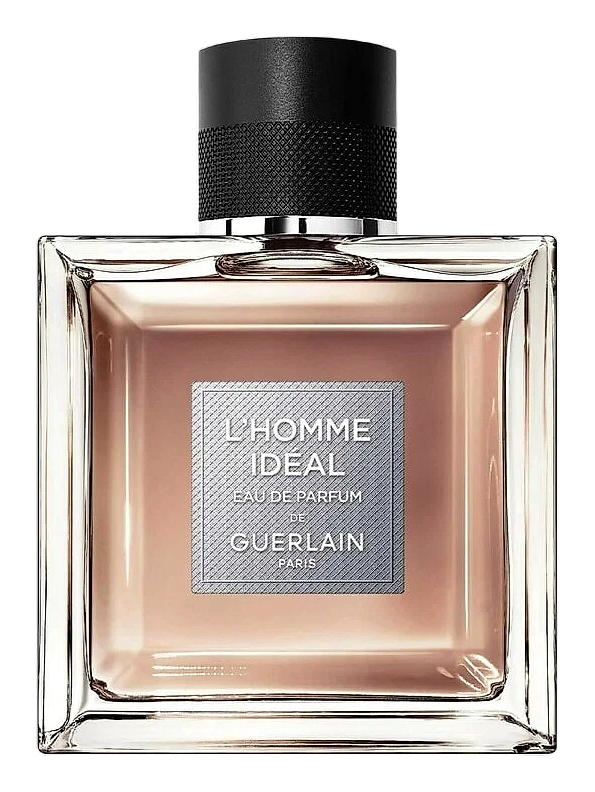
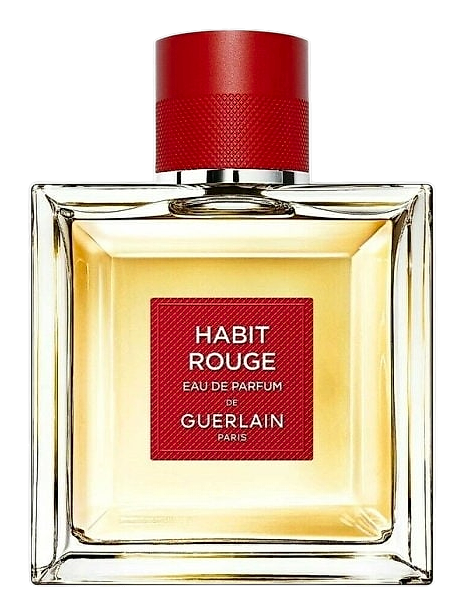
This Eau de Parfum expression landed in 2003 under the hand of Jean-Paul Guerlain. The composition draws on a sharp citrus opening and threads it through a rich, layered structure of leather, oud, benzoin, and labdanum, eventually settling into a warm, resinous base. Jean-Paul Guerlain arranged familiar elements with precision, building a fragrance that feels both considered and immediate. The work carries a formal weight, something about the way the woods and leather sit together suggests a suit cut for a room with intent. It's not trying to break new ground; it's trying to make the ground it stands on feel more certain. The result is a confident, structured amber leaning on the warmer, smokier side of the spectrum rather than the bright, powdery one.
What makes this composition worth lingering over is the collision of registers. Brazilian redwood and bergamot sit beside rose and carnation, then drop straight into leather, benzoin, and agarwood. The structure borrows from men's cologne tradition, the citrus-amber backbone, and builds a floral heart that feels weighted rather than ornamental. Jean-Paul Guerlain didn't invent new materials here. He rearranged what was already within reach, and the result feels both old and immediate.
The evolution
The first fifteen minutes belong to lemon, bergamot, lime, and tangerine, with a thread of basil and Brazilian redwood underneath. It reads crisp, almost bracing, like stepping into cold air off a plane. Then the rose, carnation, jasmine, and cinnamon arrive, and the citrus doesn't disappear so much as get absorbed. The heart is powdery, warm, floral in a structured way, sandalwood and cedar giving it a suit's architecture. After about three hours, the leather, benzoin, labdanum, and oud settle in. The vanilla shows up last and stays longest, sweet but anchored, the kind of warmth that clings to a coat collar overnight. The leather in the base wears softer as the hours pass, less a sharp material and more a texture, woven into the vanilla and the resins until the whole thing reads as one continuous warmth.
Cultural impact
Habit Rouge EDP is a fragrance that tends to attract a specific kind of wearer, someone drawn to classical men's perfumery and willing to wear something with a clear point of view. It's a composition that reads as deliberate rather than casual, and it rewards someone who already knows what they want from a scent. The amber-leather structure is recognizable, the kind of fragrance that announces itself without shouting, and it holds a place in conversations about traditional masculine perfumery. The rose and carnation in the heart give it a softness that balances the heavier base, and the citrus opening keeps it from feeling old-fashioned.
The House
GuerlainGuerlain stands as one of the oldest and most revered perfume houses in the world, founded in Paris in 1828 by Pierre-François-Pascal Guerlain. What began as a boutique on rue de Rivoli quickly became the preferred destination for Parisian society, attracting dandies and elegant women who sought custom-crafted fragrances. The house's influence grew to such heights that Guerlain earned the title of Official Perfumer to Napoleon III after presenting Eau de Cologne Impériale to Empress Eugénie as a wedding gift in 1853. This royal patronage marked the beginning of Guerlain's enduring association with European aristocracy, as the house went on to create fragrances for Queen Victoria and Queen Isabella II of Spain. Today, under the creative direction of Thierry Wasser, the fifth-generation perfumer, Guerlain continues to shape the landscape of fine fragrance with a portfolio spanning over 1,100 olfactory creations. The house remains headquartered at its legendary Champs-Élysées mansion, a historic monument that anchors Guerlain's position at the intersection of heritage and contemporary luxury.
The Creator
Jean-Paul GuerlainJean-Paul Guerlain's style resists easy categorization, though richness and depth define nearly every composition. He favored opulent oriental structures, warm woods and resins, and florals treated with almost sculptural precision.