The Story
Why it exists.
The beginning
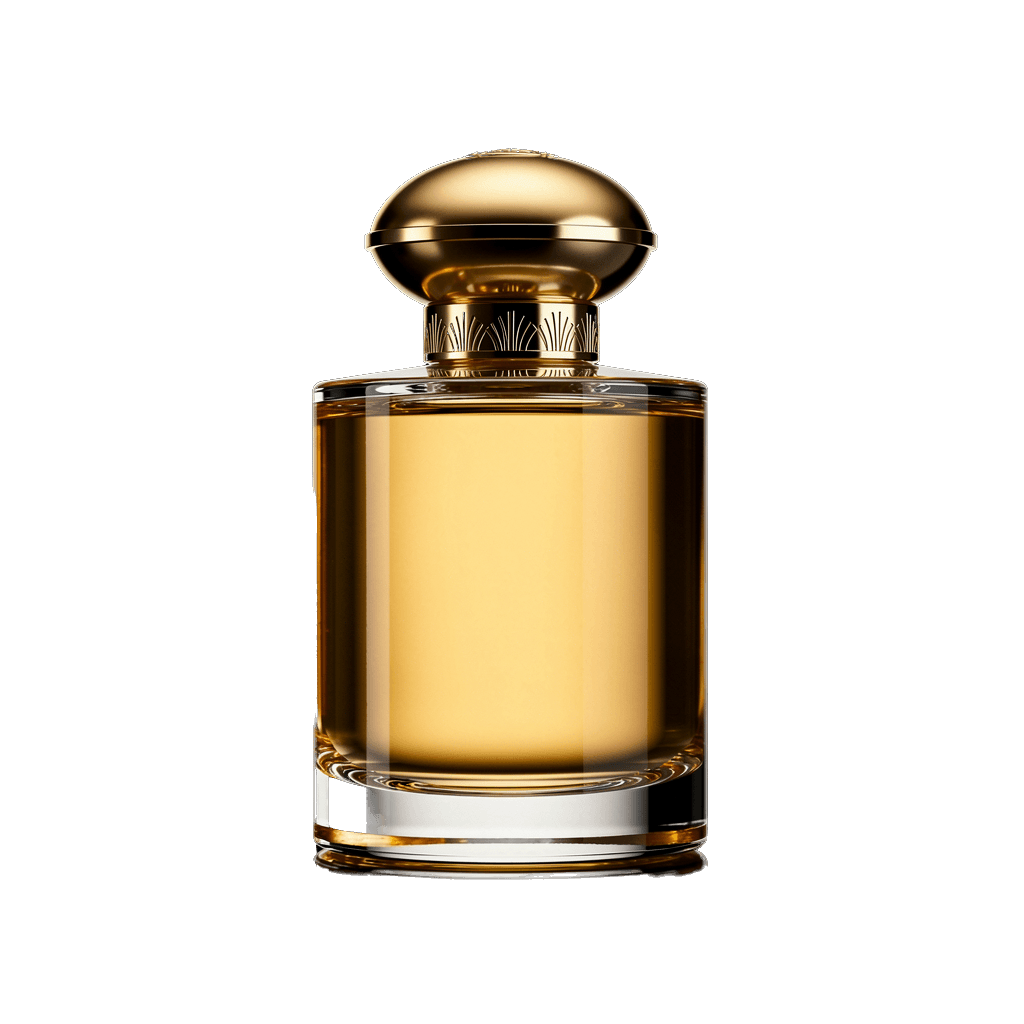
Jean-Paul Guerlain introduced Héritage in 1992, marking it as a personal statement. The fragrance represented his men's offering before his eventual departure from the house. The name said it plainly: not innovation for its own sake, but inheritance worn forward. Héritage is a fragrance dedicated to the men of tomorrow, a challenge to the wearer to carry something forward rather than simply make an impression. It asks something of the man who wears it.
The structure itself is the statement. Héritage threads warmth through its entire arc instead. The tonka bean and vanilla don't just anchor the drydown; they infiltrate it. By the second hour, the composition has softened into something powdery and close, the kind of scent that asks you to lean in rather than announce yourself. That restraint is what makes it worth wearing. It asks something of the man who wears it.
The evolution
Lavender opens sharp and aromatic, that clean, almost medicinal clarity. Bergamot and lemon cut through, bright enough to feel intentional. Then the transition: coriander arrives quiet, pink pepper follows with a warmth that shifts the entire register. The first hour is when Héritage decides what it wants to be. The second hour is when it gets there. Patchouli anchors the base, but the real story is the tonka and vanilla. They build into a powdery warmth that doesn't project so much as linger, staying close to the skin through the day and well into the evening. The warmth evolves, the powder deepens, and the scent becomes something worth coming back to.
Cultural impact
Héritage occupies a particular position in Guerlain's men's line, not the boldest, not the most romantic, but perhaps the most self-possessed. It doesn't shout. The powdery drydown has become its signature, for better or worse. The scent invites you to lean in rather than announce yourself. That quietness can read as either timeless or dated depending on the nose, which is exactly why it inspires such strong opinions.
The House
GuerlainGuerlain stands as one of the oldest and most revered perfume houses in the world, founded in Paris in 1828 by Pierre-François-Pascal Guerlain. What began as a boutique on rue de Rivoli quickly became the preferred destination for Parisian society, attracting dandies and elegant women who sought custom-crafted fragrances. The house's influence grew to such heights that Guerlain earned the title of Official Perfumer to Napoleon III after presenting Eau de Cologne Impériale to Empress Eugénie as a wedding gift in 1853. This royal patronage marked the beginning of Guerlain's enduring association with European aristocracy, as the house went on to create fragrances for Queen Victoria and Queen Isabella II of Spain. Today, under the creative direction of Thierry Wasser, the fifth-generation perfumer, Guerlain continues to shape the landscape of fine fragrance with a portfolio spanning over 1,100 olfactory creations. The house remains headquartered at its legendary Champs-Élysées mansion, a historic monument that anchors Guerlain's position at the intersection of heritage and contemporary luxury.
The Creator
Jean-Paul GuerlainJean-Paul Guerlain's style resists easy categorization, though richness and depth define nearly every composition. He favored opulent oriental structures, warm woods and resins, and florals treated with almost sculptural precision.