
The Story
Why it exists.
The beginning
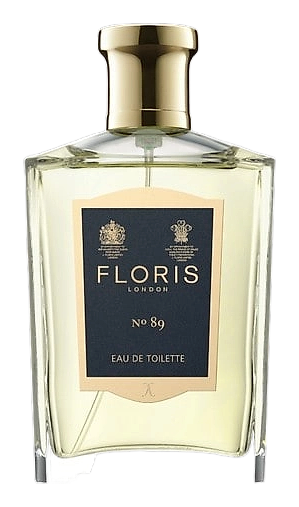
No. 89 arrived in 1951, a composition for someone who wanted a signature, not a statement. The perfumer reached for lavender, bergamot, and bitter orange in the opening, clean, aromatic, with a hint of nutmeg warmth that prickles the senses without overwhelming. As the top notes begin to recede, a rose and geranium heart emerges, lending subtle floral sweetness that interweaves with the green, slightly metallic edge of geranium leaf. This heart rests on a warm, woody foundation of sandalwood, vetiver, and cedar, where the creamy softness of sandalwood meets the dry, smoky earthiness of vetiver and the crisp, pencil-shaving clarity of cedar.
Oakmoss is the tell. In a post-IFRA world, the fact that No. 89 still opens with that chypre-structure earthiness is what separates it from most "classic" colognes claiming the same territory. The nutmeg doesn't shout, it sits just beneath the lavender, warming the herbaceous edge into something less austere. Ylang-ylang in the heart keeps the rose from becoming precious, while the woody base of sandalwood, vetiver, and cedar behaves exactly as a 1950s gentleman's fragrance should: refined, composed, and lasting.
The evolution
The opening hits first, a wave of lavender and citrus so clean it almost reads as soap. Bergamot lifts it briefly before neroli and petitgrain take over, and for about 20 minutes the scent lives in that barbershop register so specific to British masculine perfumery. Then the rose enters. Geranium follows. The ylang-ylang keeps it from feeling dusty or old-fashioned. This is the heart of No. 89, and where most modern wearers either fall in love or wonder what hit them. The base settles slowly. Oakmoss, sandalwood, vetiver, cedar. The drydown is powdery in the best sense: clean, quiet, and close to the skin. It holds for a full workday on most. By hour eight, it becomes skin-warm and intimate, what remains is less a fragrance than a memory of one.
Cultural impact
No. 89 has quietly become a reference point for classically British masculine perfumery. It occupies a space of refined, aromatic, unapologetically traditional craftsmanship, something that feels both earned and enduring. The fragrance invites comparison to the great masculine pillars of the genre, not by echoing them, but by sharing their sensibility: a respect for structure, a love of aromatic freshness, and a confidence that doesn't need to announce itself. It's the fragrance people reach for when they want something that will never feel wrong.