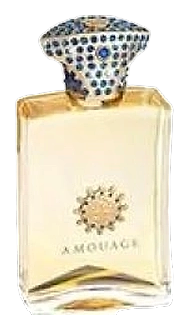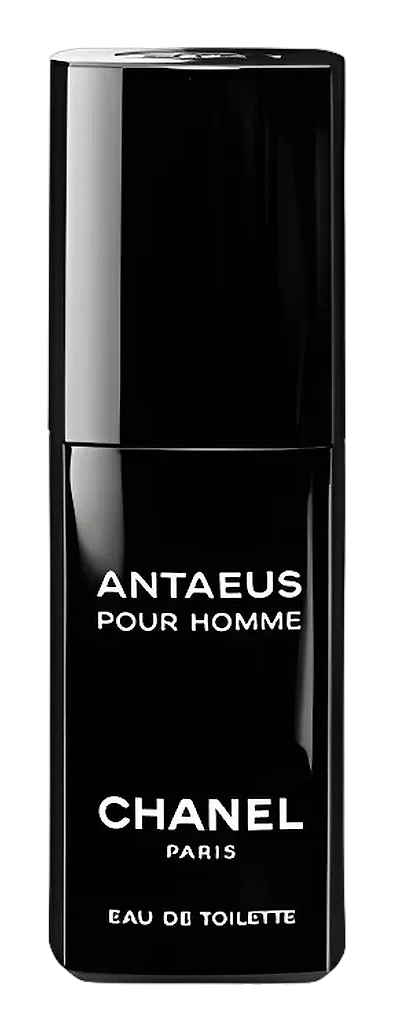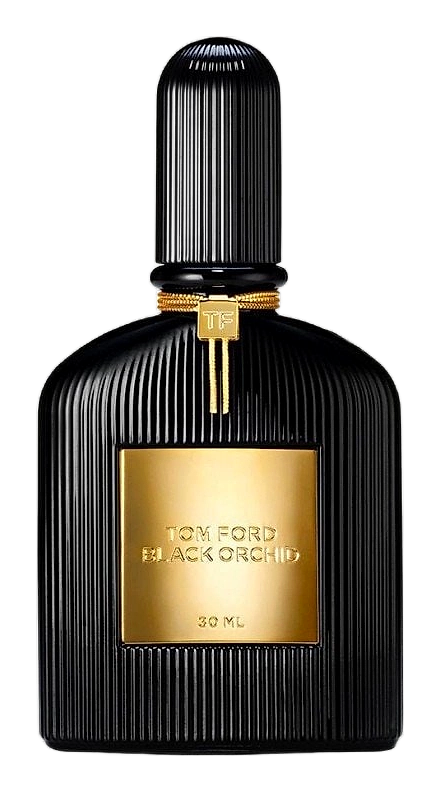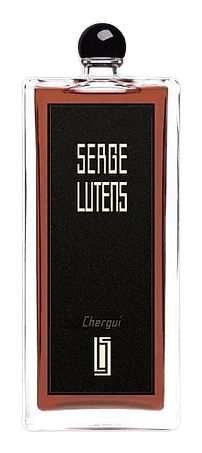
The Story
Why it exists.
The beginning
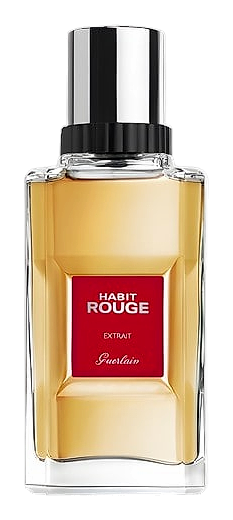
Habit Rouge was born from a contradiction. In 1965, Jean-Paul Guerlain looked at the masculine fragrance landscape and asked: what if warmth itself could be the point? The answer was the first amber scent created for men, a scandal in its day, a reference point ever since. The name refers to the red jackets worn by French cavalry officers, the kind of men who understood that elegance and authority could share the same wardrobe. When Thierry Wasser revisited the formula in 2008 as an Extrait, the goal wasn't reinvention. It was distillation. Everything that made Habit Rouge Habit Rouge, the citrus, the spice, the leather, the amber, concentrated into a form that would outlast a full day and still be remembered the next morning.
The Extrait concentration changes the conversation. Where the original EDT opened bright and faded fast, the L'Extrait version opens brighter and never fades. The citrus notes don't just sparkle, they arrive like a door being thrown open. The patchouli doesn't whisper. It anchors. And the leather that Guerlain tucked into the base of the original? In the Extrait, it rises to the surface, visible from the first hour. This is Habit Rouge without apology.
The evolution
The first hour is an event. Citrus and basil burst through so clearly that it reads almost green, a sensation more akin to cold air than perfume. Gradually the herbs recede and the warm heart emerges: cinnamon, carnation, sandalwood. The rose note is quiet but present, a floral thread running through the spice. By hour three, the drydown announces itself. Leather and vanilla arrive together, inseparable. The amber provides the stage. Benzoin and labdanum add a faint resinous, almost animalic depth, the smell of something worn close to skin for years. Sillage is strong in the first hour, then settles into intimate territory. The drydown lingers for hours, close to the skin, never fully disappearing. This is Habit Rouge at its most complete.
Cultural impact
Habit Rouge created the category. The first amber fragrance for men in history, that distinction belongs to the 1965 original, and the Extrait version carries that weight forward. Sixty years of being the reference point rather than one of the references. Its cultural resonance extends beyond fragrance into how masculinity in scent has been defined for generations.
The House
GuerlainGuerlain stands as one of the oldest and most revered perfume houses in the world, founded in Paris in 1828 by Pierre-François-Pascal Guerlain. What began as a boutique on rue de Rivoli quickly became the preferred destination for Parisian society, attracting dandies and elegant women who sought custom-crafted fragrances. The house's influence grew to such heights that Guerlain earned the title of Official Perfumer to Napoleon III after presenting Eau de Cologne Impériale to Empress Eugénie as a wedding gift in 1853. This royal patronage marked the beginning of Guerlain's enduring association with European aristocracy, as the house went on to create fragrances for Queen Victoria and Queen Isabella II of Spain. Today, under the creative direction of Thierry Wasser, the fifth-generation perfumer, Guerlain continues to shape the landscape of fine fragrance with a portfolio spanning over 1,100 olfactory creations. The house remains headquartered at its legendary Champs-Élysées mansion, a historic monument that anchors Guerlain's position at the intersection of heritage and contemporary luxury.
The Creator
Thierry WasserWasser gravitates toward green, crispy notes and the bold florals Guerlain is known for. Bulgarian rose appears repeatedly in his work, and he travels annually to oversee the harvest in Kazanlak.