The Story
Why it exists.
The beginning
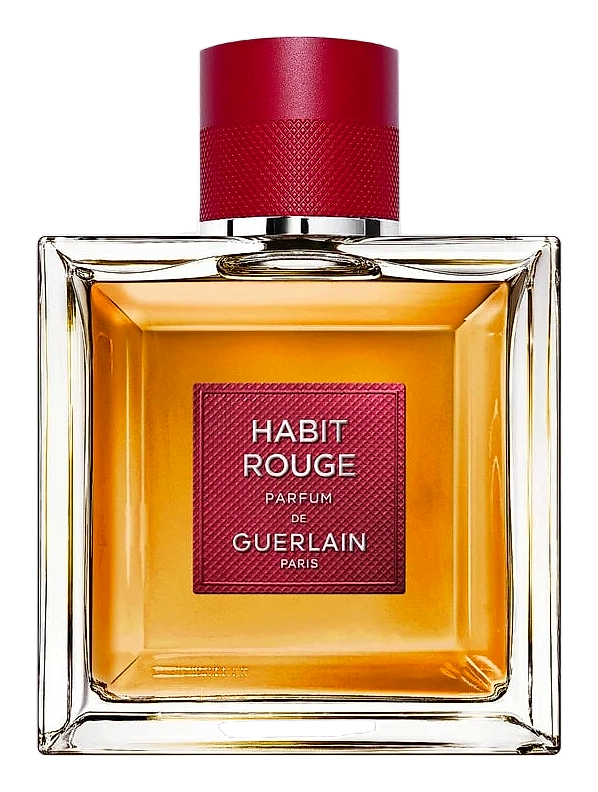
The Habit Rouge line has been Guerlain's statement on masculine elegance since 1965, built around the idea that fragrance is part of dressing, as deliberate as a tie, as considered as a lapel. The Dress Code editions, launched in 2015, sharpened that idea into something more specific: what does one wear when the occasion actually matters? Thierry Wasser approached Habit Rouge Dress Code 2017 with this in mind. Not a statement fragrance, not a quiet one. A fragrance that understands context.
What makes this composition stand apart is the placement of rose. In most masculine fragrances, rose arrives secondary, background warmth, a softening agent. Here it functions differently. Bergamot and neroli open clean, almost astringent, then the rose steps forward not as ornament but as structure. It holds the composition together. The base amplifies that effect: praline, vanilla, and tonka bean create an edible warmth that doesn't cloy, while vetiver keeps everything grounded. Cedar and patchouli in the heart add a woodiness that stops the sweetness from floating away. This is rose that earned its place in a masculine wardrobe.
The evolution
The opening hits bright and precise. Bergamot and neroli give you something citrus-forward, clean, almost soapy in the best possible way. The rose arrives within minutes, but it's not delicate, it's controlled, deliberate. Twenty minutes in, the spices begin to emerge: cedar and patchouli warming the composition without overwhelming the rose. The base is where things get interesting. Praline and vanilla arrive gradually, turning the fragrance from aromatic into something with a gourmand quality, sweet but adult, never juvenile. The drydown settles into a warm vanilla-tonka blend that lingers close to the skin. Eight to ten hours on most skin types, quieter in its final hours but never disappearing entirely.
Cultural impact
Habit Rouge Dress Code 2017 occupies a specific space in the masculine fragrance landscape: formal without being stiff, sweet without being casual. The rose-forward oriental woody structure appeals to men who appreciate elegance but want something with more character than a safe citrus or aquatic. It's the fragrance worn to occasions that matter, not to be noticed, but because the moment deserves it.
The House
GuerlainGuerlain stands as one of the oldest and most revered perfume houses in the world, founded in Paris in 1828 by Pierre-François-Pascal Guerlain. What began as a boutique on rue de Rivoli quickly became the preferred destination for Parisian society, attracting dandies and elegant women who sought custom-crafted fragrances. The house's influence grew to such heights that Guerlain earned the title of Official Perfumer to Napoleon III after presenting Eau de Cologne Impériale to Empress Eugénie as a wedding gift in 1853. This royal patronage marked the beginning of Guerlain's enduring association with European aristocracy, as the house went on to create fragrances for Queen Victoria and Queen Isabella II of Spain. Today, under the creative direction of Thierry Wasser, the fifth-generation perfumer, Guerlain continues to shape the landscape of fine fragrance with a portfolio spanning over 1,100 olfactory creations. The house remains headquartered at its legendary Champs-Élysées mansion, a historic monument that anchors Guerlain's position at the intersection of heritage and contemporary luxury.
The Creator
Thierry WasserWasser gravitates toward green, crispy notes and the bold florals Guerlain is known for. Bulgarian rose appears repeatedly in his work, and he travels annually to oversee the harvest in Kazanlak.