
The Story
Why it exists.
The beginning
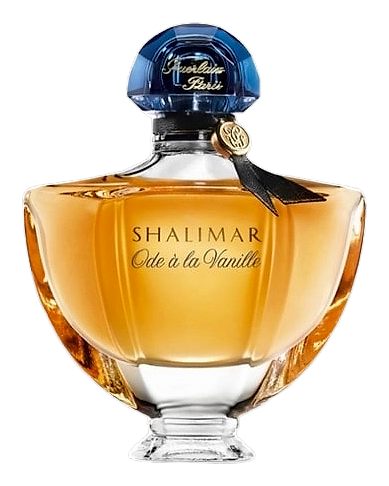
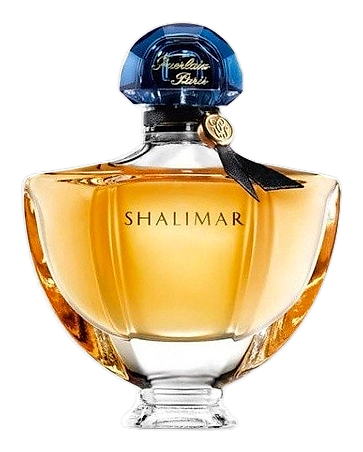
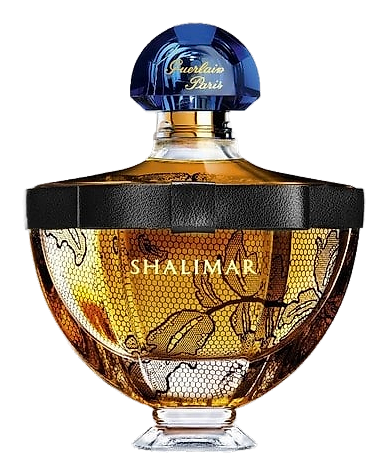
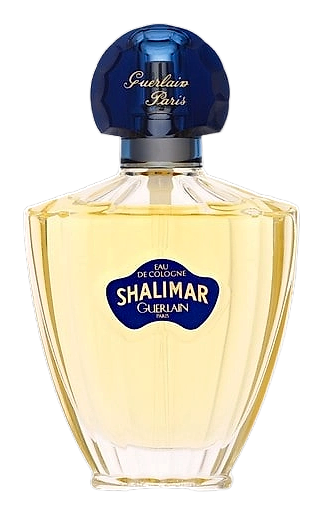
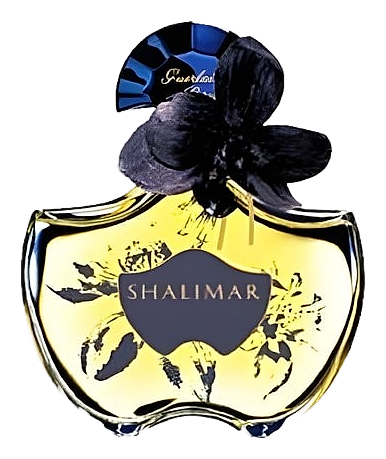
Shalimar takes its name from the Mughal gardens extended by Emperor Shah Jahan for his wife Mumtaz Mahal, the same inspiration behind the Taj Mahal. The Persian word means "the purest of all human pleasures," and Guerlain has spent decades trying to justify that name. The 2009 EDP limited editions arrived as a pair: light and dark, day and evening, each one pulling the original's oriental foundation toward something more floral, more restrained, more willing to wear flowers instead of spice. Jacques Guerlain built this interpretation around dominant vanilla, letting it anchor bergamot's citrus brightness and hold the iris-jasmine-rose heart in place for hours.
The note pyramid is deceptively simple, bergamot, three florals, vanilla. What makes it work is the proportions. The vanilla doesn't arrive last or whisper in the background. It arrives mid-drydown and makes itself at home, turning the florals powdery and warm rather than fresh. Iris does the heavy lifting: it bridges the citrus and the vanilla, giving the composition its signature softness. Jasmine and rose add dimension without competing, together they make the heart feel larger than it is, a floral cloud that holds its shape longer than most.
The evolution
The bergamot opens crisp, almost sharp, cutting through the air with citrus brightness that lasts about twenty minutes. Then the florals move in, iris first, powdery and cool, followed by jasmine's sweetness and rose's green edge. They blend into something that smells like expensive face powder, the kind in a compact you've never owned. The vanilla announces itself around hour two, and from there it takes over. The drydown isn't a transition, it's a landing. The vanilla stays for six, seven, sometimes eight hours, sweet and warm against skin, projecting moderately rather than filling the room. On fabric, it ghosts for a full day.
Cultural impact
Shalimar has been in continuous production since 1925, which makes it one of the most enduring oriental fragrances in history. The 2009 limited editions added floral volume to the original, appealing to those who wanted the Guerlain heritage without the original's heavy spice. It sits comfortably between the vintage formulations and the brand's more modern interpretations, appealing to collectors and new wearers alike.
The House
GuerlainGuerlain stands as one of the oldest and most revered perfume houses in the world, founded in Paris in 1828 by Pierre-François-Pascal Guerlain. What began as a boutique on rue de Rivoli quickly became the preferred destination for Parisian society, attracting dandies and elegant women who sought custom-crafted fragrances. The house's influence grew to such heights that Guerlain earned the title of Official Perfumer to Napoleon III after presenting Eau de Cologne Impériale to Empress Eugénie as a wedding gift in 1853. This royal patronage marked the beginning of Guerlain's enduring association with European aristocracy, as the house went on to create fragrances for Queen Victoria and Queen Isabella II of Spain. Today, under the creative direction of Thierry Wasser, the fifth-generation perfumer, Guerlain continues to shape the landscape of fine fragrance with a portfolio spanning over 1,100 olfactory creations. The house remains headquartered at its legendary Champs-Élysées mansion, a historic monument that anchors Guerlain's position at the intersection of heritage and contemporary luxury.
The Creator
Jacques GuerlainJacques was among the first perfumers to work seriously with synthetic ingredients alongside naturals, publishing on essential oils with chemist Justin Dupont and experimenting with perfuming ink. His technical approach was precise: volume measurements for liquids, careful wei…