The Story
Why it exists.
The beginning
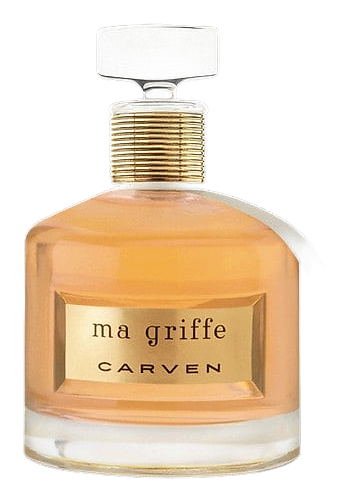
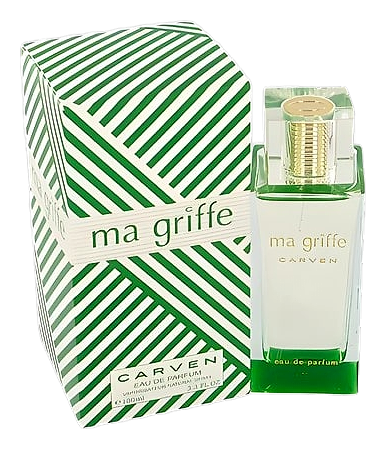
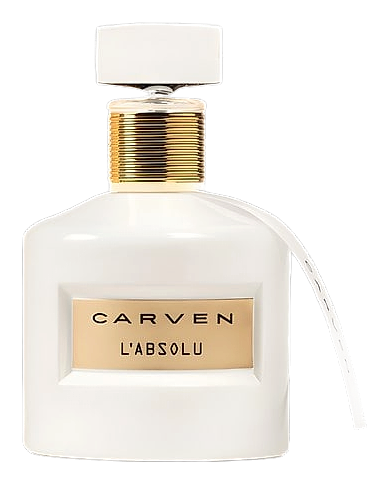
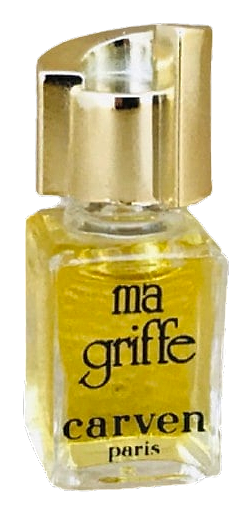
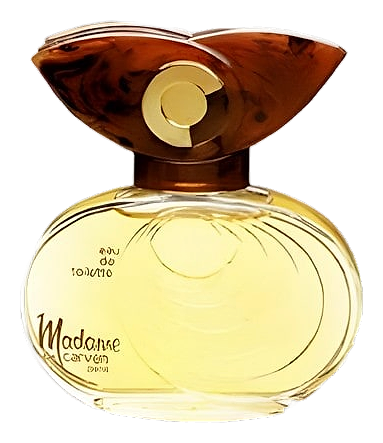
By the time Madame de Carven was composed, the Paris house that bears the Carven name had established itself as a presence in French fashion and fragrance, rooted in a sensibility that prized accessibility and wearability over pretension. The house had already made its mark with Ma Griffe, a composition that introduced the Carven olfactory signature to the wider public and set the template for what a Carven fragrance could be. Madame de Carven arrived as a later expression of that same house, but it is a distinctly different creature: warmed up, turned toward the tropics, and dressed in white floral rather than the crisp, tailored green that had come before.
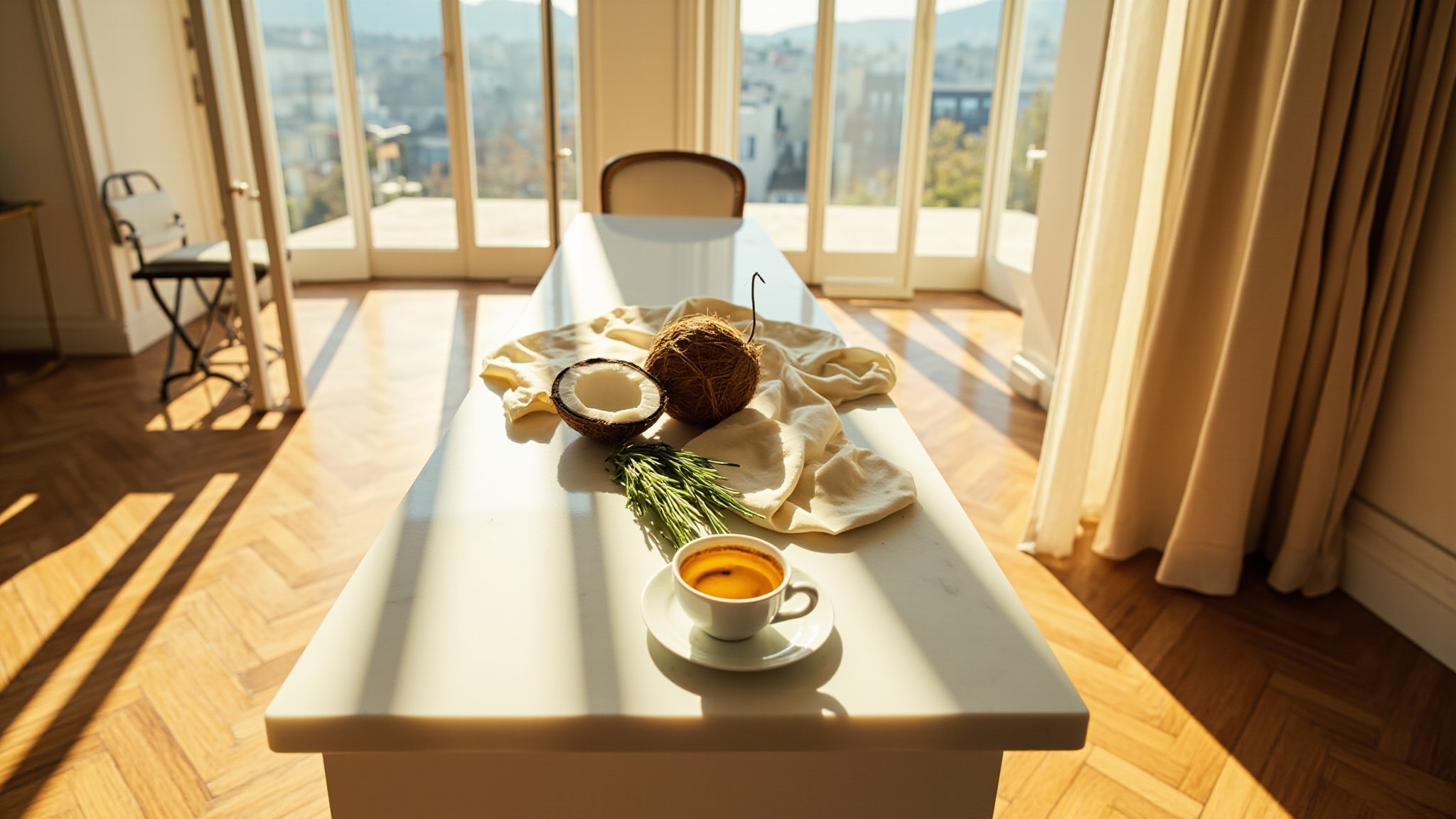
What makes the composition worth attention is the galbanum-coconut pairing at the top. Galbanum brings that bitter, resinous green sharpness, a note that reads almost vegetal in its intensity, cold and slightly metallic on first contact with the skin. Coconut softens the entry, adds sweetness without sugar, and creates a bridge into the white floral heart that follows. The accord is unusual: a green chypre note set against a tropical sweetness, and the tension between the two is what gives the opening its character.
The evolution
Galbanum and bergamot crackle on first spray, sharp and almost astringent, with the coconut sliding in underneath like warm sand underneath cold water. The contrast is immediate: that bitter green snap set against something soft, creamy, and unmistakably tropical. Within fifteen minutes the green notes begin to settle and the floral heart takes over. Tuberose and jasmine arrive together, rich and a little indolic, cushioned by iris powder and the green sweetness of hyacinth. The coconut never leaves. It just moves backward, a thread connecting the bright top to the warmer base, and you can sense it repositioning itself with each phase of the wear. By the two-hour mark, the oakmoss and benzoin have taken hold. The fragrance turns golden, slightly balsamic, with the coconut now reading almost amber-like, as if the sun has been pouring into it for hours.
Cultural impact
Madame de Carven has been compared to Balenciaga's Michelle for its tropical-floral weight and confident projection, and wearers often describe it as the scent of Ava Gardner in the tropics rather than a Parisian afternoon. The comparison makes sense: both compositions lean into white floral density, both carry a sun-warmed tropical sweetness through a classic chypre structure, and both were designed for a woman who wanted to be noticed without apology.
The House
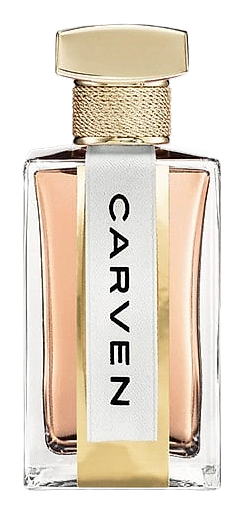
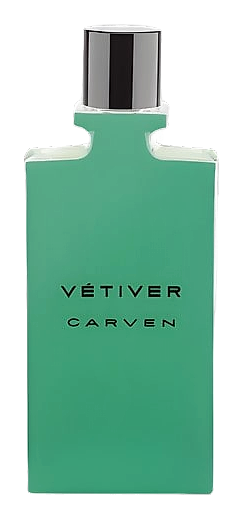
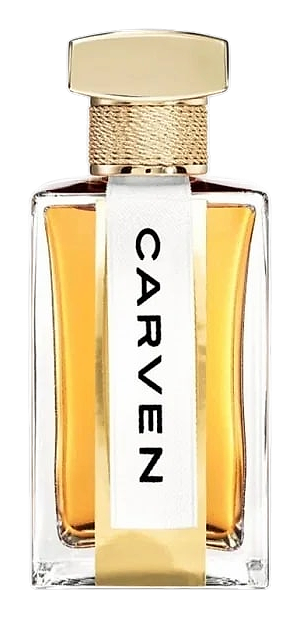
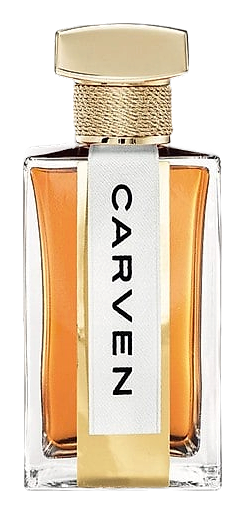
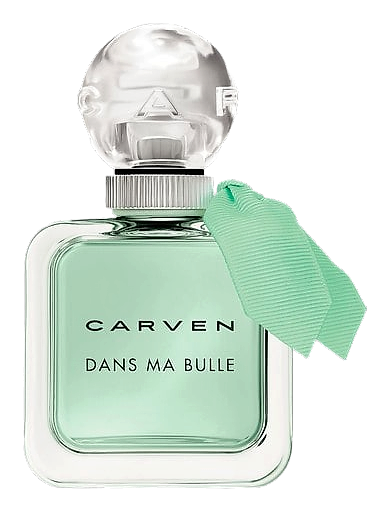
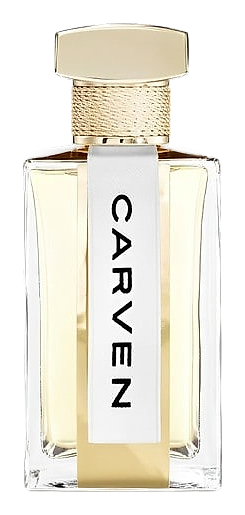
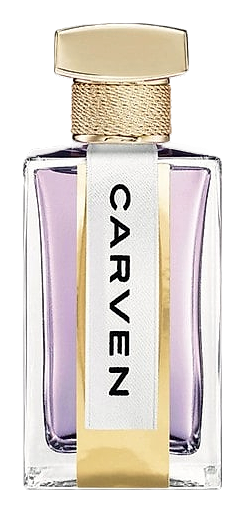
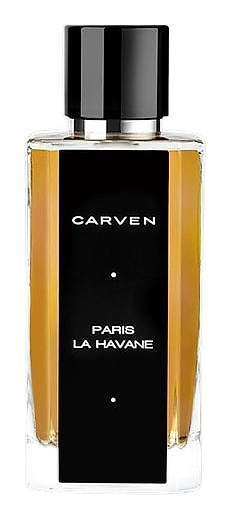
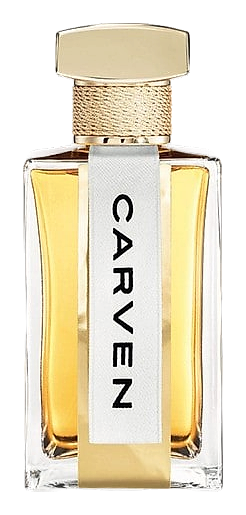
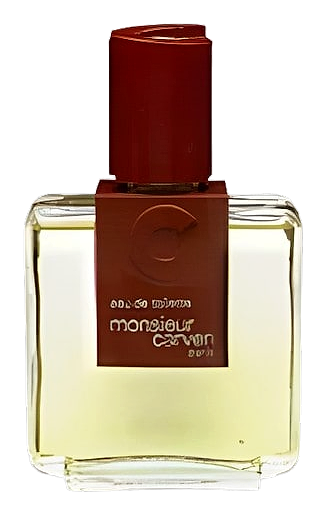
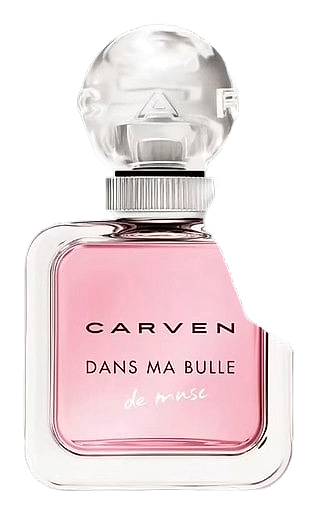
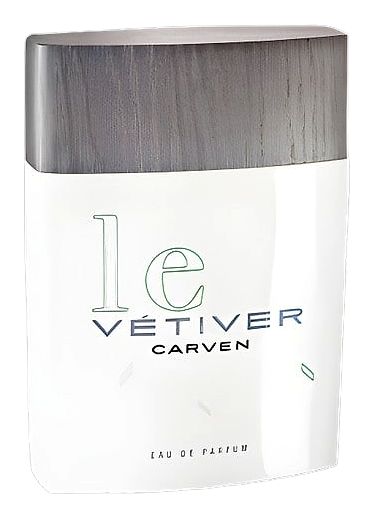
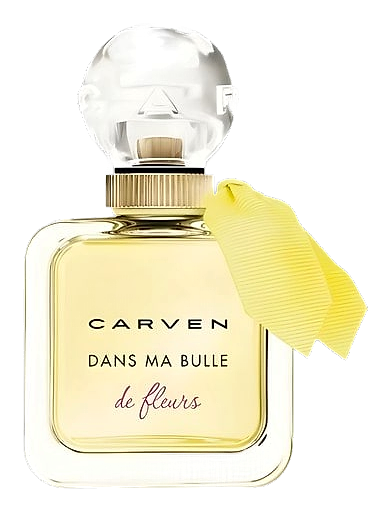
CarvenCarven is a Parisian fashion house founded in 1945 that built its early reputation on youthful, wearable couture before expanding into fragrance. The house became widely known through its 1946 launch of Ma Griffe, a green chypre that established Carven as a serious contender in post-war French perfumery. Over the following decades, the house maintained a consistent presence in both fashion and fragrance, releasing scents that reflected its broader design ethos of accessible elegance. Recent years have seen Carven expand its perfume line with the Paris collection, including releases such as Paris Alexandrie (2019) and Paris Sambava (2024), signaling a continued commitment to the fragrance market alongside its fashion operations.
The Creator
Jean GuichardGuichard's compositions share an architectural confidence. He favors density, building fragrances that feel substantial on first application and deepen over hours.