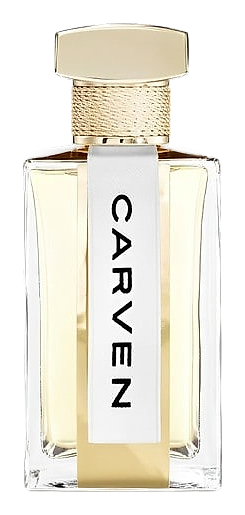

The Story
Why it exists.
The beginning
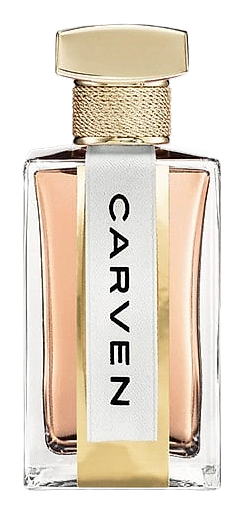
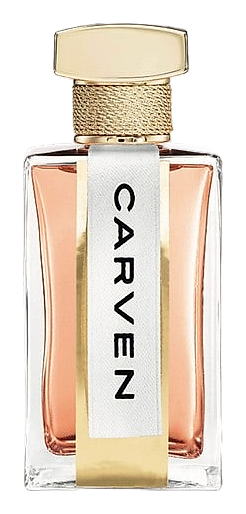
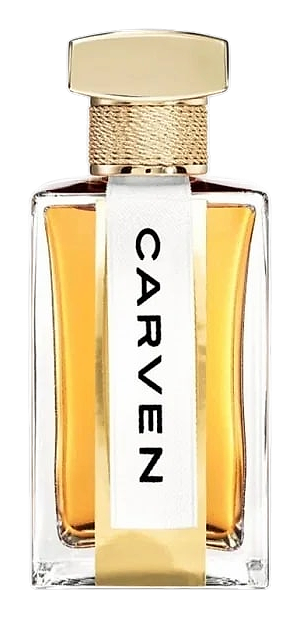
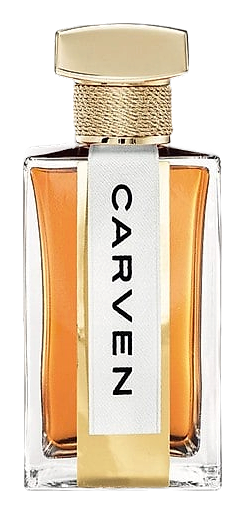
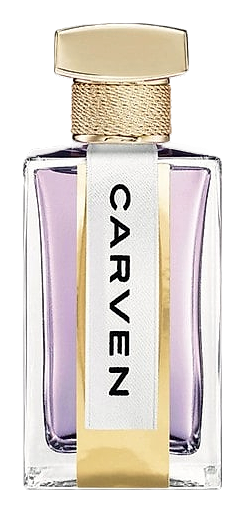
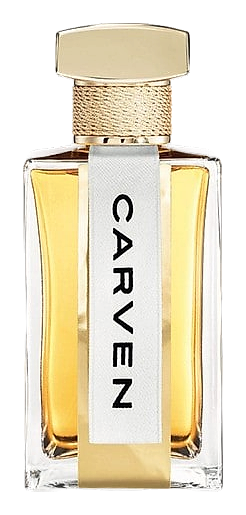
Marine Ipert built Paris Santorin around fig as a way to capture a particular landscape. The fragrance opens with fig in its green, leafy form, the kind of note that smells like the tree itself rather than the fruit. There is something tactile about it, a slight waxy quality on the skin, with a milky sweetness underneath that keeps it from feeling too sharp. The composition uses immortelle to bring warmth and a touch of natural honey, while iris adds a powdery floral element that softens what could have been a one-note interpretation. This is fig taken seriously, built with layers that reveal themselves slowly rather than announcing themselves immediately.
Paris Santorin goes another direction. Immortelle brings a natural honey warmth that lifts the sweetness without making it edible. Iris adds powdery elegance that pushes the whole composition toward something more nuanced. Fig stays central, but it reads as complex rather than simple. The immortelle provides a golden, almost resinous quality that catches the light differently as the fragrance develops. Iris works quietly in the background, giving the composition a soft, slightly floral edge that keeps the fig from becoming too heavy or too green.
The evolution
The opening is a quick bright flash: bergamot, fig leaf, a little pink pepper spice underneath. It does not linger in the citrus. Within minutes, the fig takes over, rounder, fruitier, with iris softening the edges. The immortelle shows up around the second hour, adding warmth and a hint of honey that balances the green. Then it settles. Sandalwood and cashmeran wrap around the fig, turning it creamy and intimate. The drydown is soft, warm, close to the skin. The kind of finish that someone notices when you are already gone. The progression feels natural, each stage flowing into the next without sharp transitions, the fig staying present throughout while the supporting notes take their turn at center stage before yielding to what comes next.
Cultural impact
Santorin presents fig in its green, leafy form alongside warm immortelle and powdery iris. The fragrance captures the fruit at a particular moment, before it becomes too sweet, keeping a vegetable quality that grounds the composition. Immortelle adds honeyed warmth without pushing the scent toward something edible, and iris provides a powdery floral counterpoint that softens the green edges. This combination creates a fragrance that feels both natural and composed, the kind of scent that reads as sophisticated rather than simple.
The House
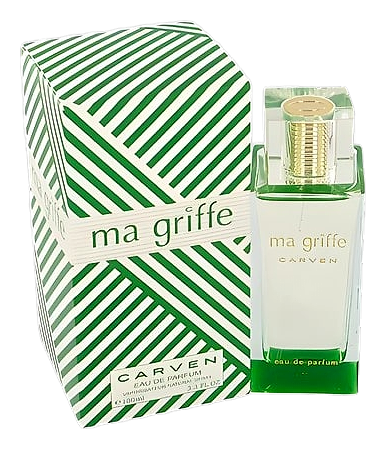
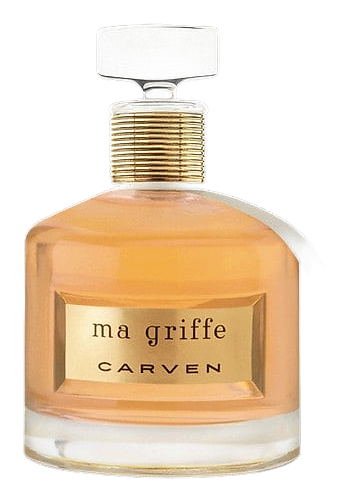
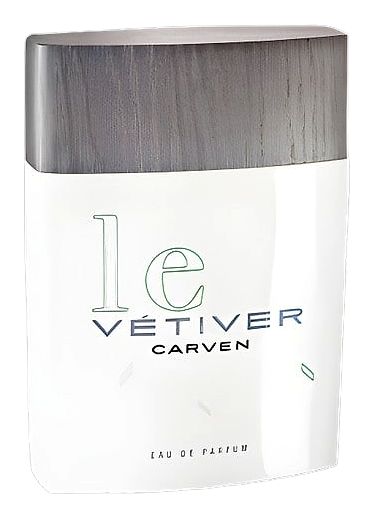
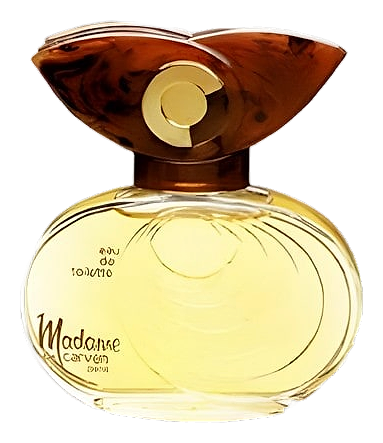
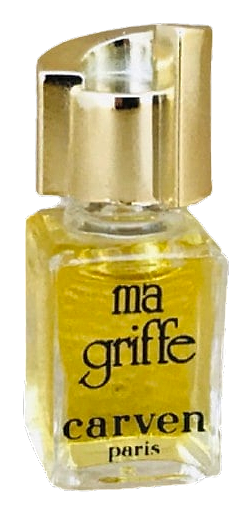
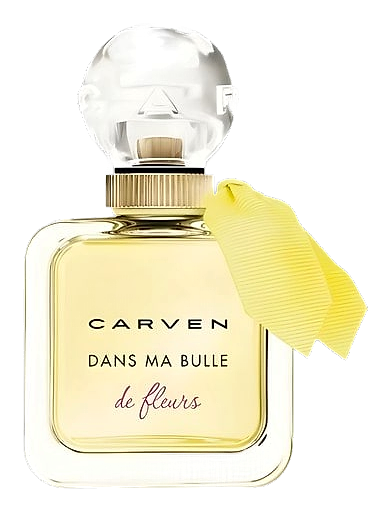
CarvenCarven is a Parisian fashion house founded in 1945 that built its early reputation on youthful, wearable couture before expanding into fragrance. The house became widely known through its 1946 launch of Ma Griffe, a green chypre that established Carven as a serious contender in post-war French perfumery. Over the following decades, the house maintained a consistent presence in both fashion and fragrance, releasing scents that reflected its broader design ethos of accessible elegance. Recent years have seen Carven expand its perfume line with the Paris collection, including releases such as Paris Alexandrie (2019) and Paris Sambava (2024), signaling a continued commitment to the fragrance market alongside its fashion operations.
The Creator
Marine IpertMarine favors a structural approach that starts with a clear backbone—often a mineral or marine accord—then layers nuanced florals or spices to create depth. She leans on ingredients such as seaweed absolute, Calabrian bergamot, and Tuscan lavender, pairing them with modern sy…