The Story
Why it exists.
The beginning
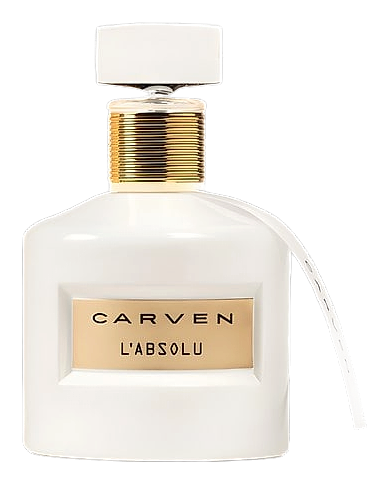
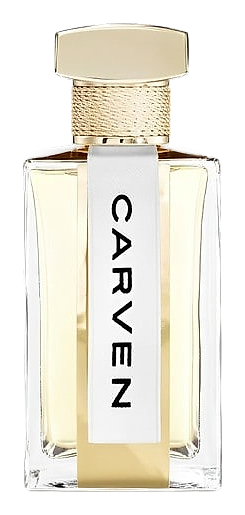
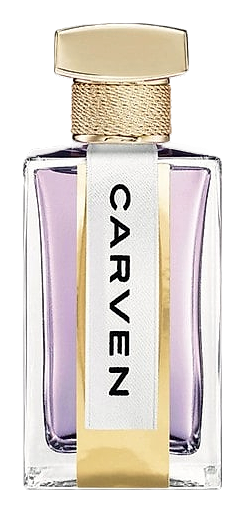
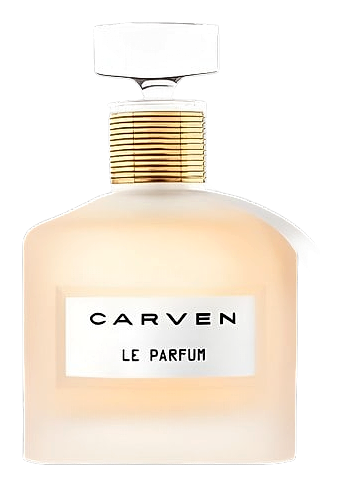
Carven Le Parfum marked the house's return to fragrance, and it was composed by Francis Kurkdjian under the creative direction of Guillaume Henry. The brief was to represent ideas of spontaneity, Parisian elegance, and approachability, qualities that don't need to announce themselves to make themselves felt. The result was a composition built around white florals and grounded by sandalwood, designed to feel unmistakably French in its restraint. Kurkdjian's approach leans into wearability rather than spectacle, a fragrance meant to live alongside you rather than perform for the room. The white florals carry the structure while sandalwood anchors everything beneath them, giving the whole composition a softness and warmth that reads as effortless even when the construction is anything but.
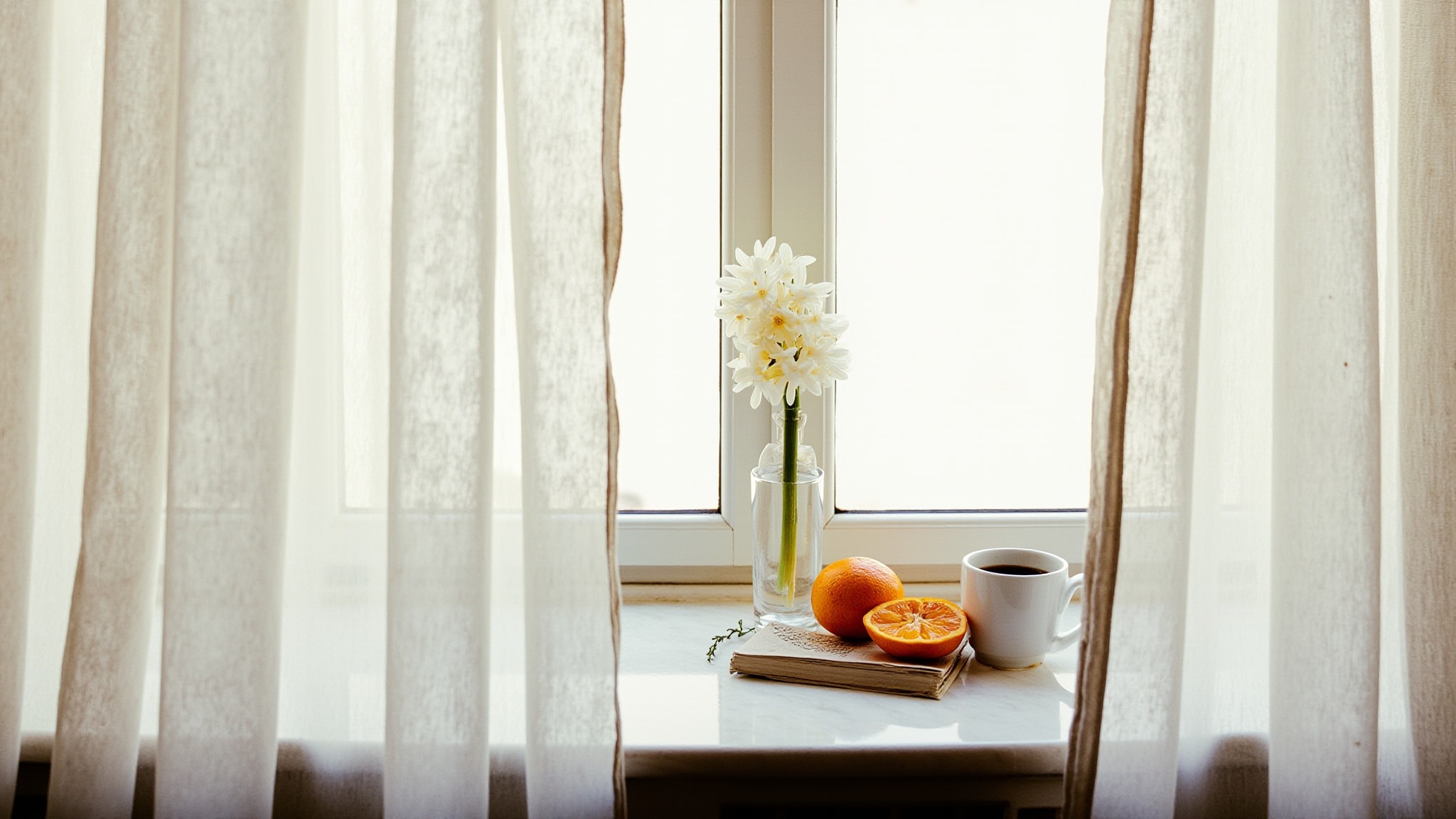
What makes this composition distinctive is its restraint. Kurkdjian built the top around mandarin blossom and white hyacinth, two materials that read fresh on first spray, then layered jasmine, sweet pea, and ylang-ylang into a heart that stays luminous through the middle stretch. The base of Indonesian patchouli, osmanthus, and Indian sandalwood adds warmth without weight, giving the white florals something to settle into rather than float above.
The evolution
The first fifteen minutes are bright and almost crystalline, white hyacinth and mandarin blossom arriving together with an airy, effervescent lift. Then the florals take over. Jasmine and sweet pea come in close, soft and almost creamy, with ylang-ylang adding a touch of yellow fruit underneath that keeps the heart from feeling too austere. The drydown shifts the temperature as the woods emerge. Indonesian patchouli and Indian sandalwood settle into skin, and osmanthus threads through with its faintly apricot warmth, a soft, skin-like fruitiness rather than anything jammy. As the hours pass, the sandalwood grows more present, smooth and quiet, a close-to-skin warmth that stays with you through whatever the day brings. The white florals fade gracefully, leaving the creamy wood base as the lasting impression, the part of the fragrance that whispers rather than announces itself.
Cultural impact
Wearers reach for Carven Le Parfum when they want a white floral that doesn't perform. It sits comfortably among the modern French florals, the kind of composition that works for daytime, for warmer months, for occasions where subtlety matters more than projection. There's a quiet confidence to it, the scent of someone who already knows where they're going. It doesn't ask for compliments, but it tends to earn them anyway, a fragrance that rewards close attention rather than demanding it from across the room.
The House
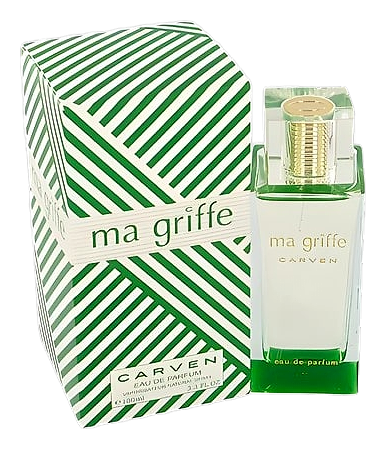
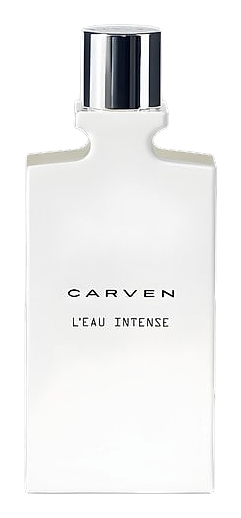
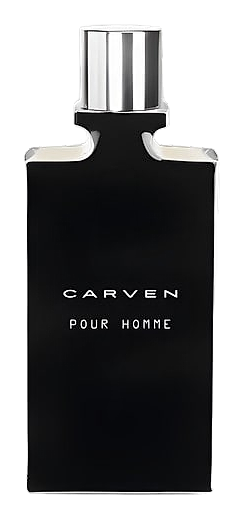
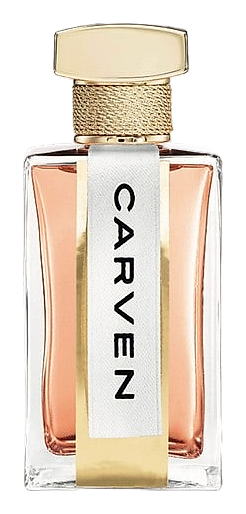
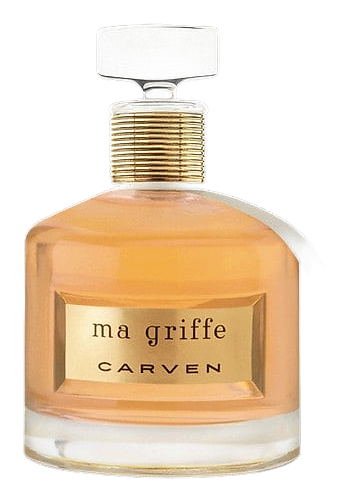
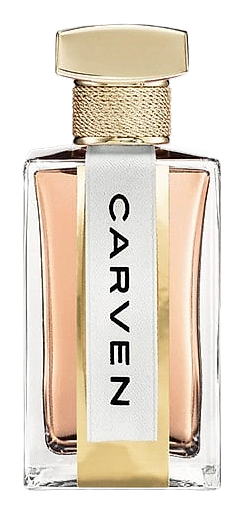
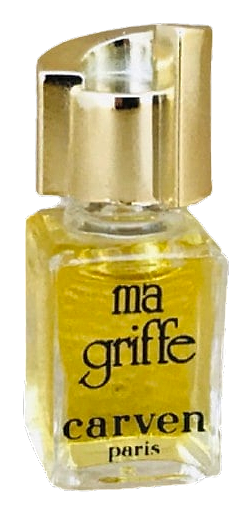
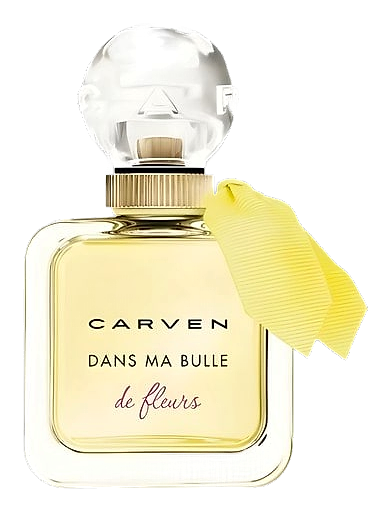
CarvenCarven is a Parisian fashion house founded in 1945 that built its early reputation on youthful, wearable couture before expanding into fragrance. The house became widely known through its 1946 launch of Ma Griffe, a green chypre that established Carven as a serious contender in post-war French perfumery. Over the following decades, the house maintained a consistent presence in both fashion and fragrance, releasing scents that reflected its broader design ethos of accessible elegance. Recent years have seen Carven expand its perfume line with the Paris collection, including releases such as Paris Alexandrie (2019) and Paris Sambava (2024), signaling a continued commitment to the fragrance market alongside its fashion operations.
The Creator
Francis KurkdjianFrancis Kurkdjian's signature style is characterized by a remarkable luminosity and a sophisticated elegance. He often employs a radiant, almost translucent quality in his compositions, even when working with rich or dense materials.