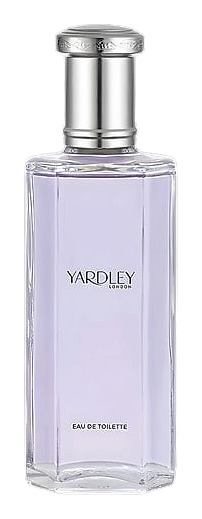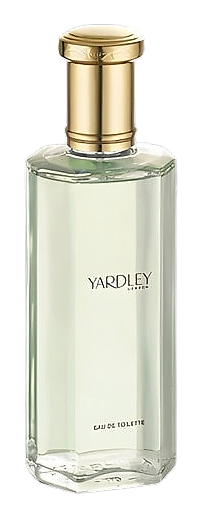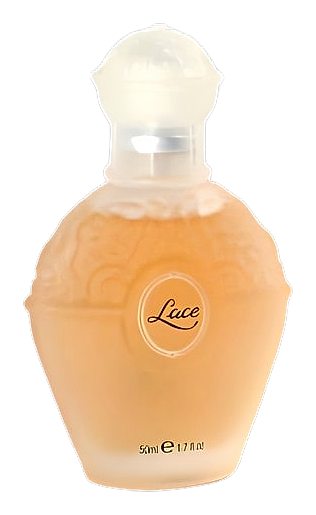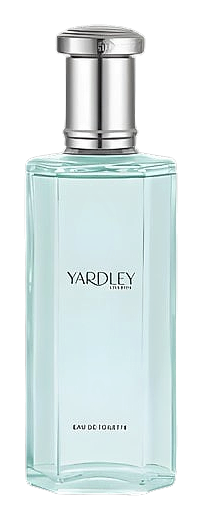
The Story
Why it exists.
The beginning
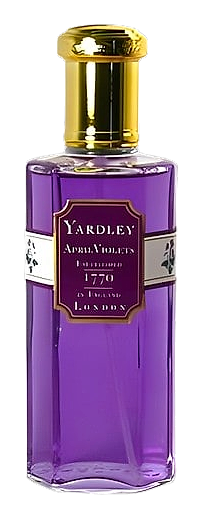
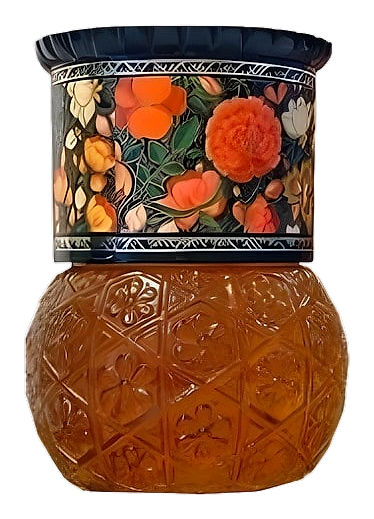
Khadine arrived in 1968 from Yardley, composed by perfumer Raymond Chaillan. Yardley is a British fragrance house with a long-established catalogue of polite florals, and Khadine broke that pattern. The composition leans on distinctive materials: frankincense-like incense, sharp galbanum, and carnation at the heart. It opens with a cool, green-resinous quality that sets it apart from the brand's softer offerings like April Violets, turning instead toward something darker, more austere, more alive. Where most Yardley fragrances settle into powder and petal, Khadine pulls toward resin and smoke. The incense gives it a churchy gravity, the galbanum adds that bitter green bite, and the carnation warms the whole structure from underneath.
What makes Khadine distinctive is its note architecture: opening materials including incense, iris, and violet, paired with a heart of carnation, galbanum, and lily of the valley that keeps the whole thing from sinking into incense-fuel territory. The galbanum does the heavy lifting. It's the gummy, bitter green bite that defines the composition. Without it, Khadine would be another powdery floral. With it, the fragrance pulls toward something stranger, more resinous, more alive.
The evolution
The first fifteen minutes belong to incense and violet, with iris threading underneath like cool smoke through a quiet room. There's an almost church-like hush, but the galbanum keeps interrupting. Around the half-hour mark, the heart blooms: carnation arrives with its clove-pepper edge, lily of the valley softens the green sharpness, and the composition turns warmer, more textured. It feels layered now, not just smoky. As hours pass, the sandalwood base gradually emerges, rounding the edges without flattening them. The incense doesn't vanish; it drifts backward, becomes a memory rather than a presence. By the five-hour point on skin, what remains is a soft sandalwood-and-musk hum with green flecks still embedded. On fabric the next morning, the galbanum and incense linger longest, sharp and cool against the cotton.
Cultural impact
Khadine sits in an unusual position: a 1968 composition that one wearer described as shockingly quite modern in design. Its green-resinous character and powdery iris heart give it a contemporary feel, and its darker, more complex profile sets it apart from the brand's softer florals. The contrast between Khadine and the rest of the Yardley catalogue is part of what makes it memorable, a composition that doesn't follow the expected script for a 1960s feminine release. It's a quiet outlier, the kind of fragrance that rewards revisiting, offering layers that reveal themselves slowly across hours of wear.
The House
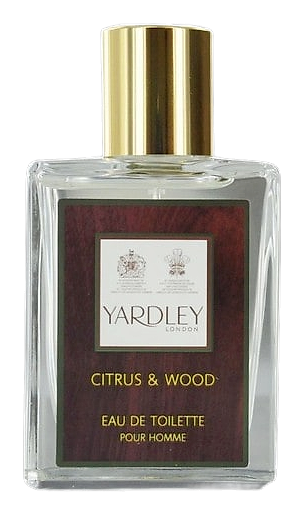
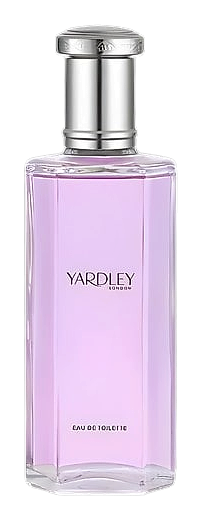
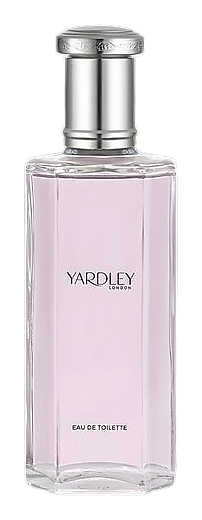
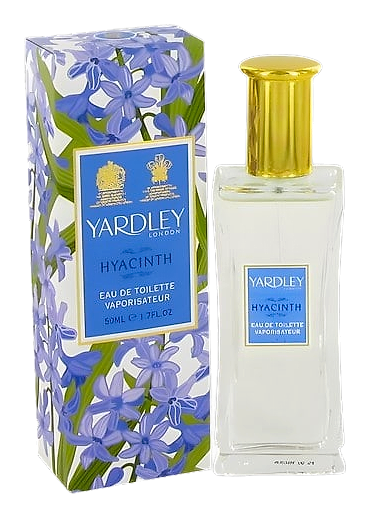
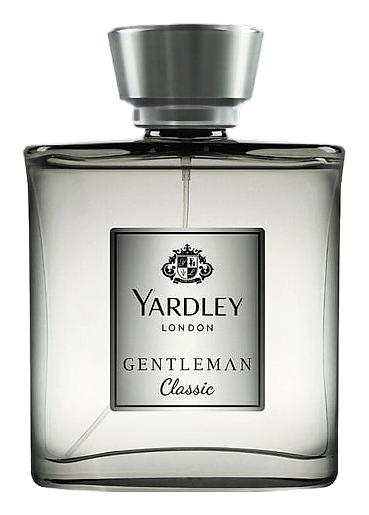
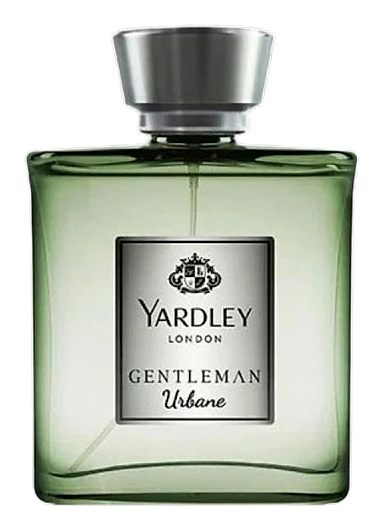
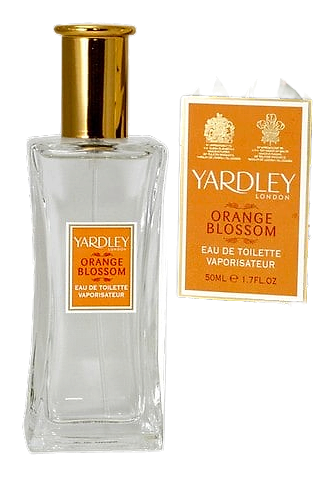
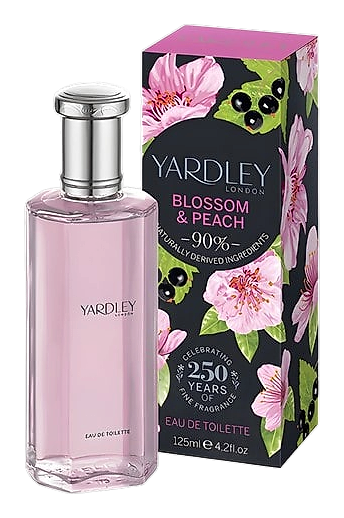
YardleyYardley London is a British fragrance house that traces its commercial origins to 1770, when the Cleaver family opened a modest soap shop in the City of London. Over two centuries the brand expanded from hand‑crafted soaps to a portfolio of eau de toilettes, body lotions and grooming accessories. Its scent catalogue includes enduring classics such as Yardley Original, the floral Laughter (1975) and the bright Pink Lace (1988). Today Yardley balances historic British charm with contemporary retail channels, offering consumers a recognizable scent heritage.
The Creator
Raymond ChaillanLavender runs through Chaillan's signature like a golden thread. He treats it not as a static material but as a living one, coaxing unexpected facets from fields he knew as a boy.