The Story
Why it exists.
The beginning
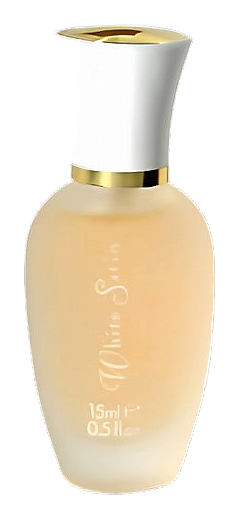
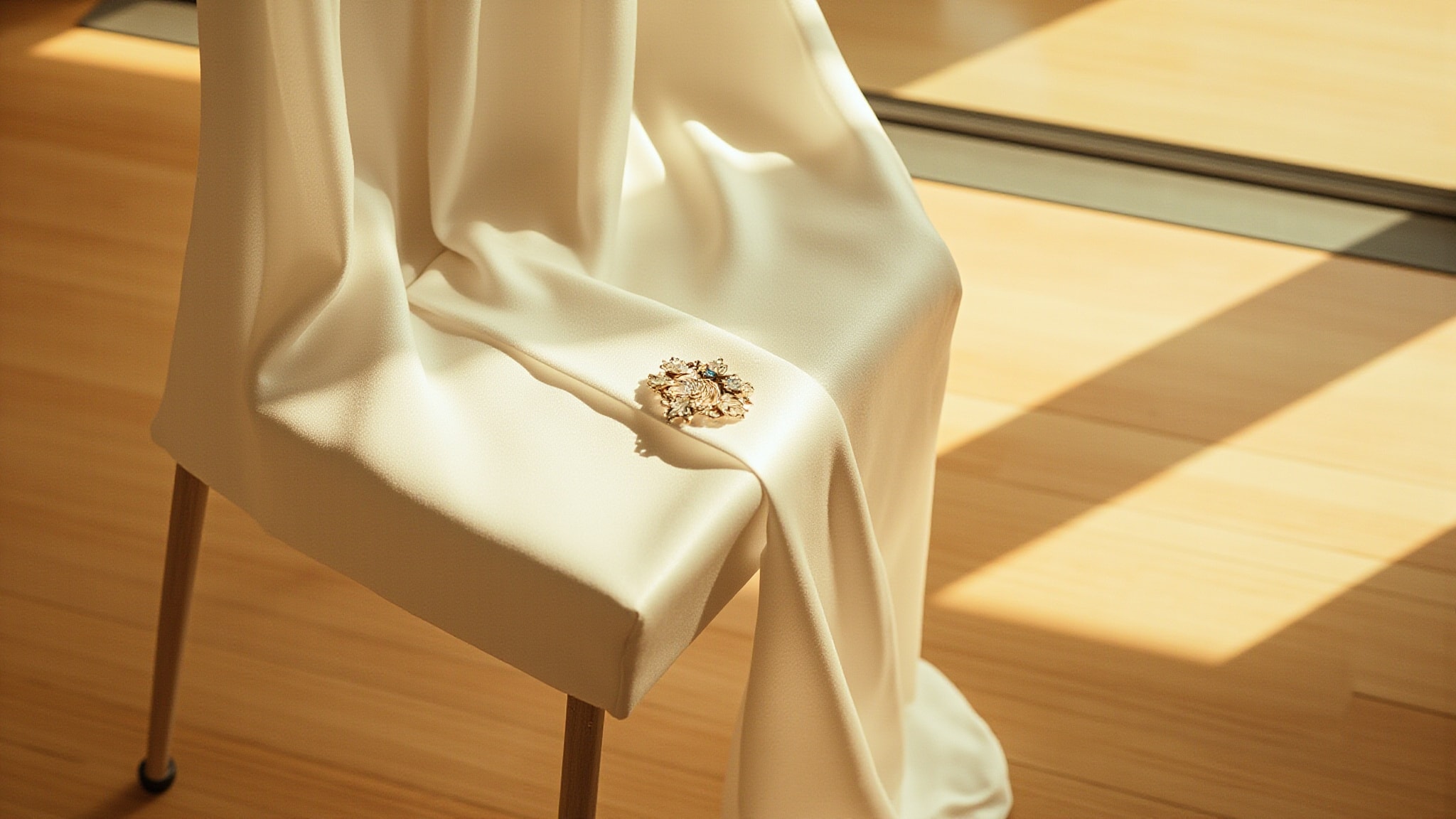
Yardley introduced White Satin in 1984 as part of a long tradition of refined British florals. The name itself, White Satin, speaks to the fabric of old English formality: the wedding dress, the christening gown, the proper blouse worn to the office. This was a fragrance for a woman who wanted elegance without announcement, sweetness without sweetness overload. The green notes were the calculated choice here, they keep the florals from cloying, giving the composition a coolness that feels less like fantasy and more like the breeze through an English garden in June. It's quietly confident. It's correctly dressed. It's White Satin.
What makes this composition work is the restraint. Floral, green, and musk could easily tip into something synthetic and overwhelming, the 1980s were not known for their subtlety. But White Satin threads the needle. The green notes don't announce themselves as a top note the way citrus does in a chypre; they appear as a coolness that runs underneath the florals from the start, keeping the sweetness honest rather than saccharine. The musk anchors everything without becoming animalic or loud. It's the structural choice that keeps the fragrance wearable across decades, a lesson in what happens when a heritage brand resists the obvious move.
The evolution
The opening arrives with clean florals, bright, unapologetically sweet, with that green coolness running underneath like a bass note. Within the first hour, the florals begin to settle; the green lifts and softens, and the musk starts to read as warmth rather than base. There's something almost smoky in the heart, not combustion, but the memory of warmth, like a sun-warmed room. The drydown is where White Satin earns its name. The powder arrives gently, not as an assault of iris, but as a soft close: musk, warmth, and something clean that stays close to the skin for hours. Six to eight hours, on most. The sillage never becomes loud, this is a fragrance for the person next to you, not the person across the room.
Cultural impact
White Satin belongs to a lineage of properly British florals, refined, restrained, and quietly confident. It was designed for everyday elegance, not performance. What keeps it relevant is that it doesn't demand attention, it rewards it. The Yardley brand built its reputation on exactly this kind of understated approach, and White Satin remains a textbook example of that philosophy.