
The Story
Why it exists.
The beginning
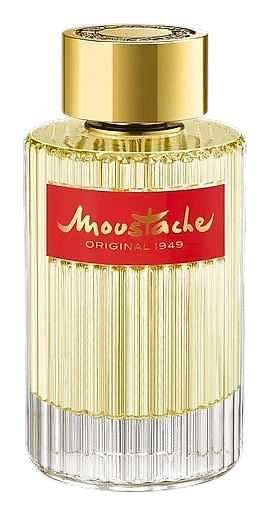
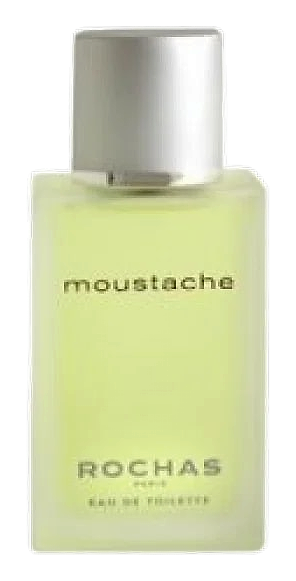
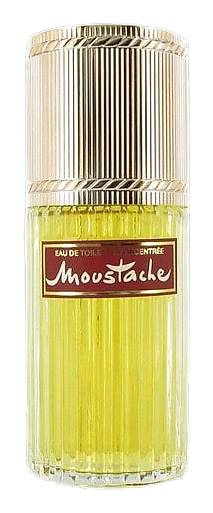
Edmond Roudnitska composed Moustache in 1948, a period when masculine perfumery was finding its footing beyond the barbershop register. Rochas, the Parisian house that commissioned the work, was building a reputation for dressing men with a deliberate, architectural sense of style, and Roudnitska answered with a citrus composition that opens bright and stays precise. The fragrance announces itself in the first breath: lemon and bergamot cut clean through, lavender and basil sharpen the edges, and petitgrain adds a bitter green that keeps the opening from feeling polite. It warms through the heart, where geranium, carnation, and a thread of honey pull the composition somewhere more inhabited, more lived-in.
What's structurally unusual about Moustache is the weight distribution. Most compositions with this much citrus would stay thin and bright, anchored only in the top notes. This one pulls honey and oakmoss into the middle and base with enough density to change the gravity of the whole thing. Roudnitska used the chypre framework, oakmoss and a mossy animalic undertone, but injected enough aromatics and florals to make it read as a cologne rather than a classical chypre. The result sits in a narrow lane between aromatic discipline and chypre sensuality. Nothing is blended into anonymity.
The evolution
The first ten minutes are almost aggressive in their brightness. Lemon, lemon verbena, bergamot, and lavender hit like cold water on a Monday morning, with basil threading a green sharpness through the citrus and petitgrain adding a slightly bitter, leafy edge. It announces. Then the honey arrives, and everything recalibrates. The honey is not a sweetness, it's a weight. It pulls the composition down from the bright top into something rounder, warmer, more inhabited. Geranium and carnation take over the heart, bringing a spiced-rose quality that feels lived-in rather than floral. Rose and jasmine hover at the edges without ever becoming a bouquet. After two to three hours, the base takes over. Oakmoss grounds it, cedar gives it backbone, and the tonka-vanilla-amber combination brings a quiet sweetness that never goes sugary. The musk underneath keeps it close to skin.
Cultural impact
Moustache holds a specific place in the history of French masculine perfumery. The composition bridges categories that usually sit apart, combining citrus brightness with chypre depth, aromatic herbs with honeyed warmth, and pulling them into a single coherent structure. Edmond Roudnitska's work on the scent set a template for how masculine colognes could carry weight without abandoning their freshness, and the fragrance has been studied and referenced by perfumers working in the citrus-aromatic tradition ever since.