
The Story
Why it exists.
The beginning
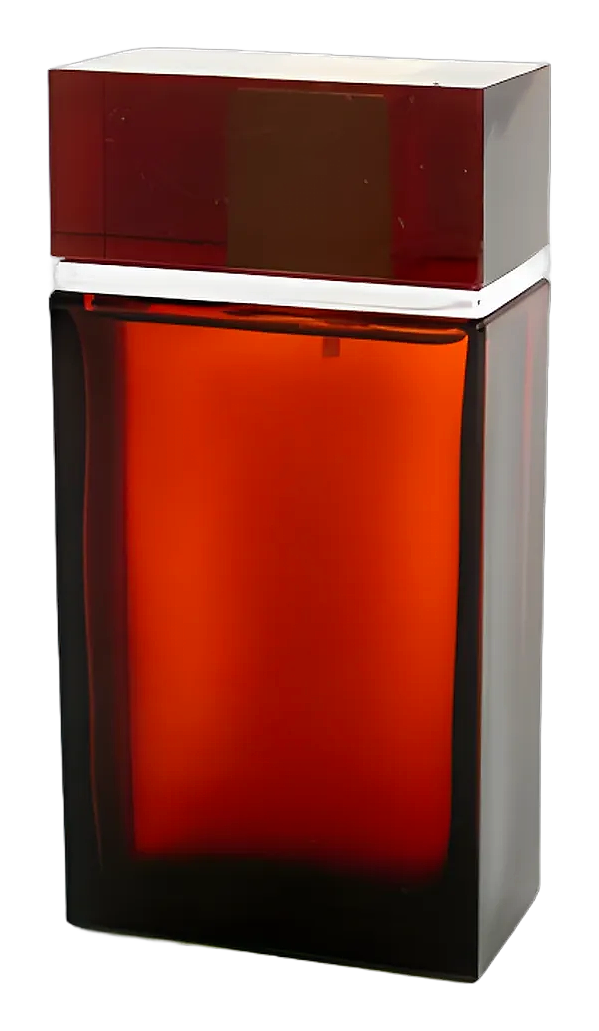
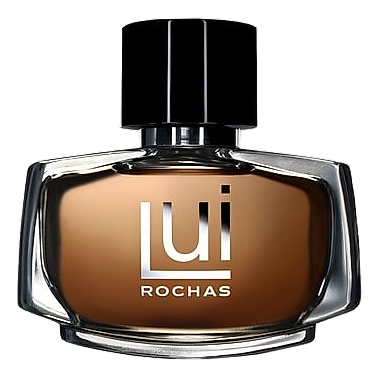
Lui Rochas arrived in 2003, the same year Procter & Gamble acquired the house. Michel Almairac created it alongside Amandine Clerc-Marie. The name says everything: lui means "him" in French. No ambiguity, no hedging. A men's fragrance from a house better known for feminine iconics like Femme. The timing reads like a statement, right as the brand entered new ownership, it staked out territory on the other side of the gender line.
The pyramid is unusually clean for a 2003 masculine. Neroli and lemon open. Cedar and sweet grass anchor the heart. Vanilla, amber, patchouli close. Nothing decorative. Each layer has weight. The sweet grass is the unusual element, most masculine fragrances of that era reached for mint or lavender in the heart. Sweet grass brings a green, slightly animal quality that makes the cedar feel less architectural and more organic. And the vanilla-patchouli base is doing something interesting: vanilla often dominates in masculine compositions, but here patchouli keeps it grounded. Earthy, not dessert-sweet.
The evolution
Neroli and lemon hit first, bright, immediate, gone within the first hour. The citrus doesn't linger. Cedar arrives around the 30-minute mark and takes over for the next two to three hours, dry and warm with that pencil-shaving note some wearers swear by. Sweet grass adds a green thread that keeps the wood from feeling clinical. Then vanilla and amber start to bloom underneath, lifting the base. By hour five or six, the drydown is primarily vanilla and patchouli, warm, powdery, intimate. It stays close to the skin but persistent. On fabric, the vanilla hangs on until the next morning.
Cultural impact
Discontinued in an era of limited editions and reissues, Lui Rochas has become a collector's piece, harder to find, pricier when you do. That scarcity shapes its identity now. It sits apart from the heritage house's feminine line and apart from the citrus-aquatic trend that dominated men's fragrances in the early 2000s. The woody-vanilla base is its own statement.