Sycamore Wood
Sycamore Wood: Nature's scentless canvas. Discover how perfumers capture ethereal green warmth from an almost odorless wood, and why Chanel built a fragrance around it.
Character
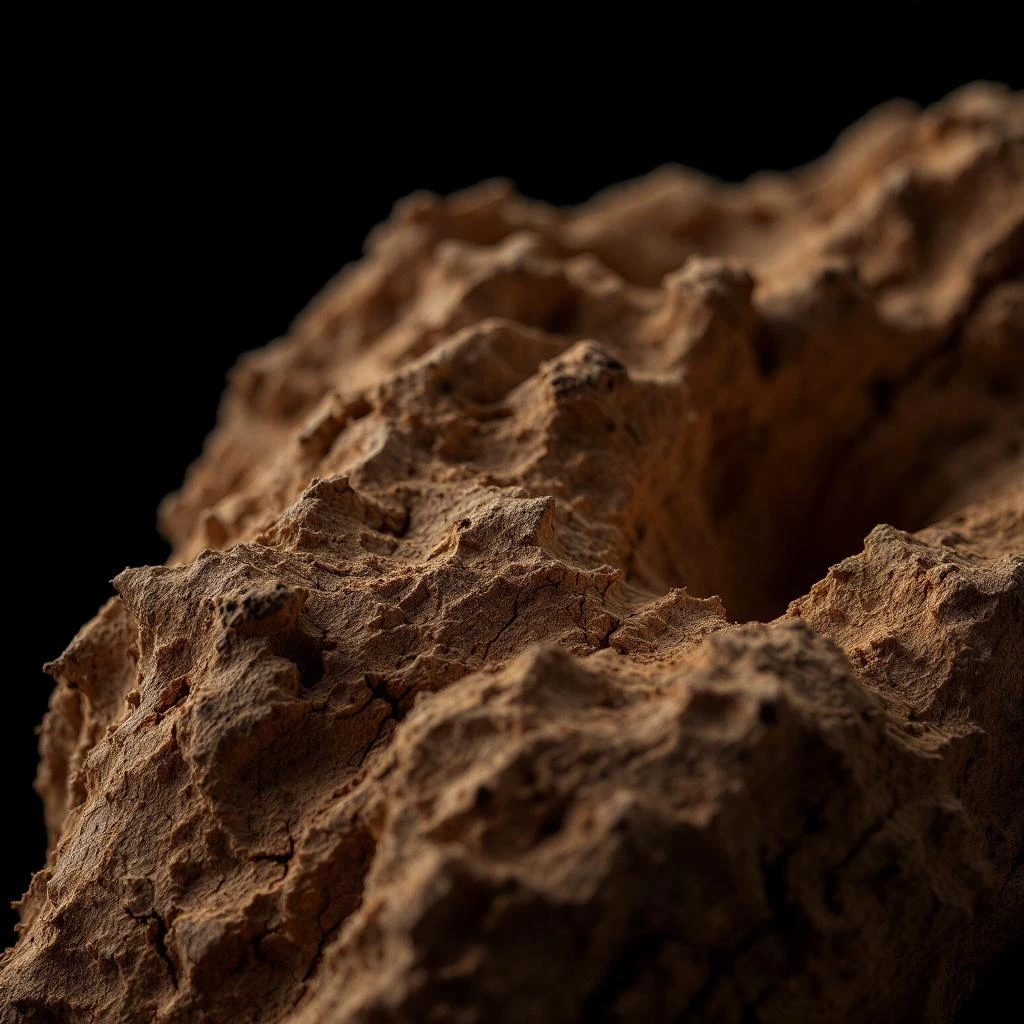
How it smells
The quiet elegance of neutral wood.
Chanel named an entire fragrance after the sycamore tree, even though sycamore wood itself is virtually odorless.






Origin
Mediterranean regions
The sycamore held sacred status in ancient Egypt, where the plane tree represented the goddess Nut and marked boundaries between worlds. Egyptians planted these giants at temple entrances and carved their massive trunks into coffins meant to preserve bodies for eternity. The wood's practical virtues drove its spread: sycamore heartwood resists rot, imparts no taste, and holds up under continuous moisture, which made it the standard material for butcher blocks throughout American history.
Perfumers discovered the tree relatively late, with Chanel's launch of Sycomore in 2019 bringing attention to what the plane tree could contribute as a fragrance note. The scent honors the tree's legendary status while acknowledging its paradoxical role in perfumery: a material defined by what it lacks rather than what it contains.
Wears it best
Fragrances featuring Sycamore Wood

Brands
Brands known for Sycamore Wood
Good to know
Questions, answered
The essentials on Sycamore Wood in perfumery: how it smells, where it comes from, and how it behaves on skin.
Does sycamore wood have a natural scent?
No, sycamore heartwood is essentially odorless. Perfumers capture the note from leaves and twigs instead, or build a synthetic accord evoking the tree's dry, papery character.
What does sycamore smell like in perfume?
Sycamore reads as a dry, slightly green, almost paper-like impression. It is quieter than cedar and less creamy than sandalwood, functioning as a skin-like base note.
Is sycamore wood sustainable?
Sycamores grow rapidly and regenerate well from seed. Plane trees were planted extensively across Europe and North America as shade trees, making sustainable sourcing feasible.
Which famous perfume features sycamore?
Chanel Sycomore (2019), composed by Olivier Polge, centers on vetiver but takes its name from the sycamore to evoke dry, sunlit wood and Mediterranean landscapes.
Can I grow sycamore for perfumery use?
Yes, sycamores adapt to many climates and grow quickly. Harvesting young leaves and flexible twigs provides material without sacrificing the tree itself.
How does sycamore differ from cedar in perfumery?
Cedar offers a bold, aromatic presence with distinctive pencil-shaving warmth. Sycamore stays neutral and dry, contributing texture rather than fragrance to a composition.
Is the sycamore note natural or synthetic?
Both exist. Natural extracts come from leaves via solvent extraction. Synthetic accordbuilding also creates a sycamore impression using molecules like Iso E Super and vetiver derivatives.
What family does the perfumery sycamore belong to?
Most perfumery references point to Platanus orientalis, the Oriental plane tree native to the Mediterranean and Middle East, rather than the American sycamore.