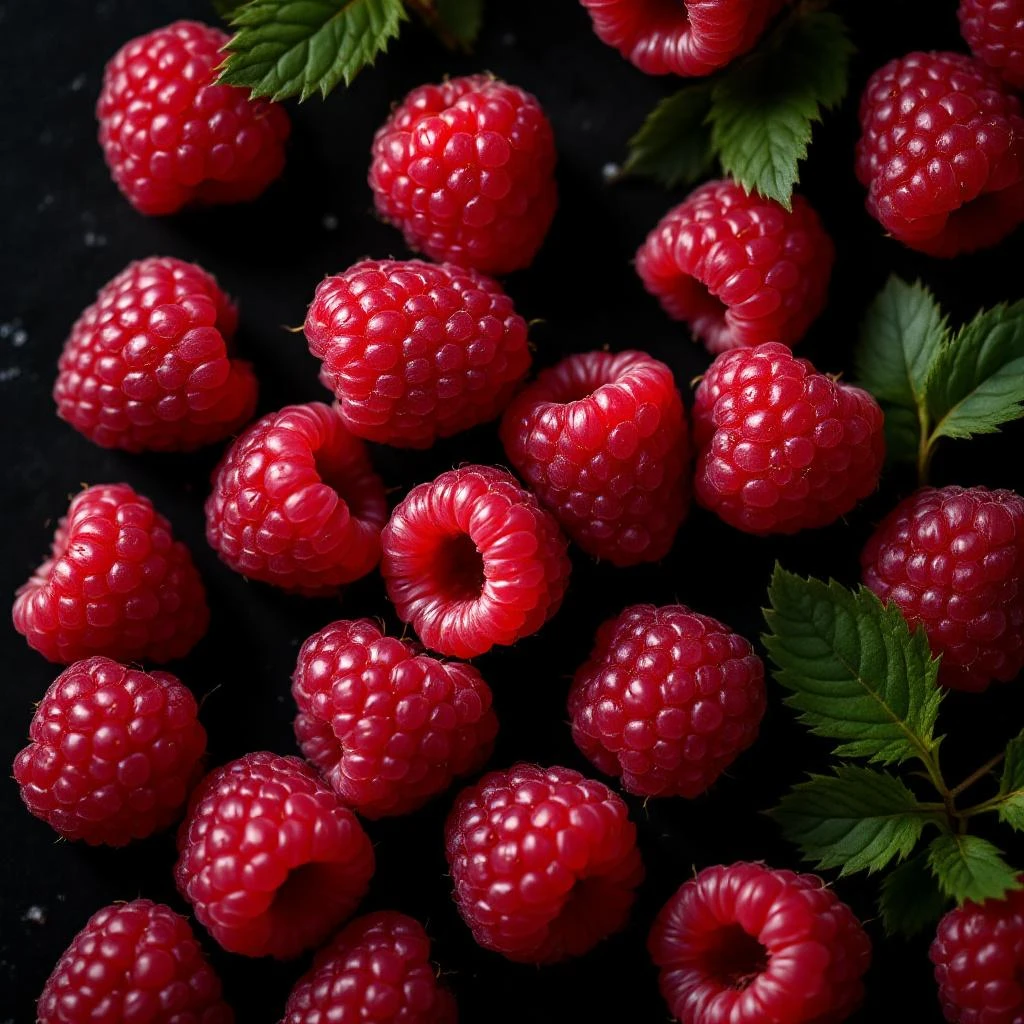
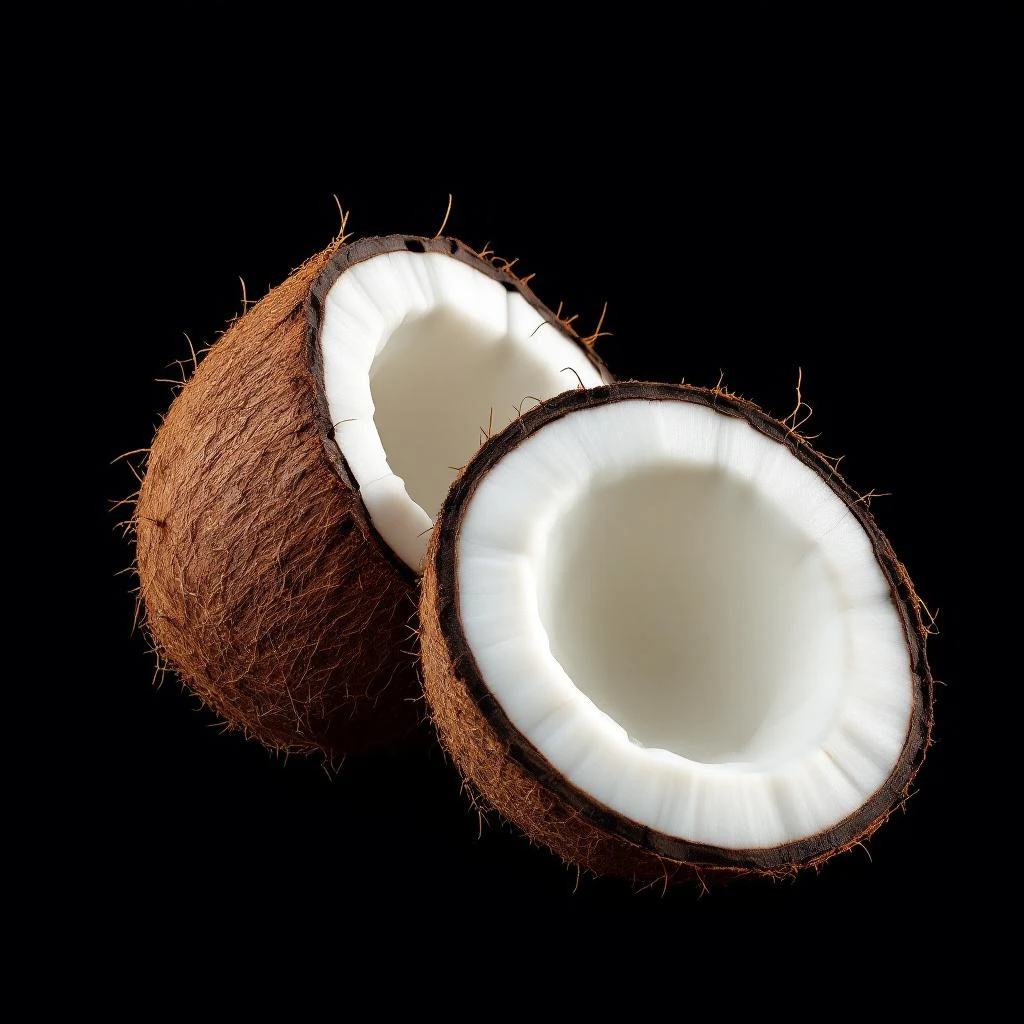
Green fig
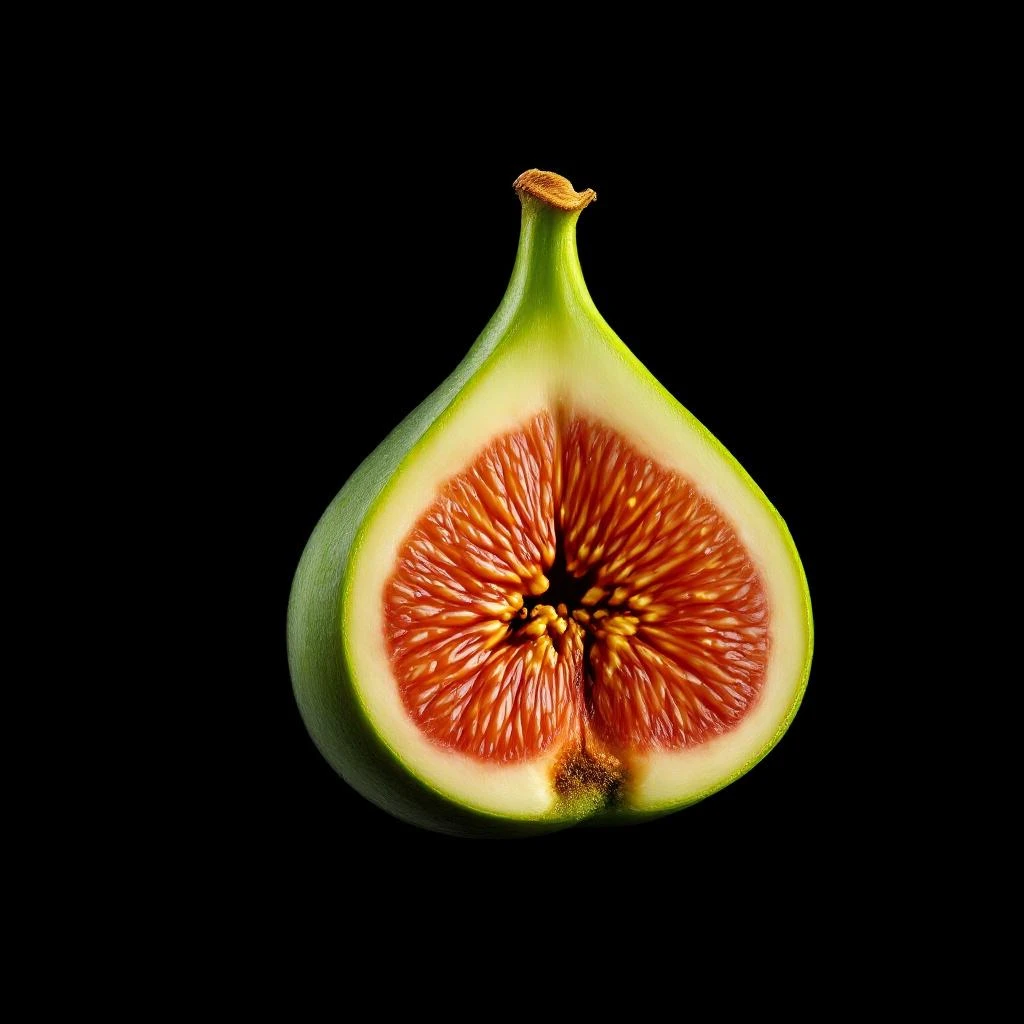
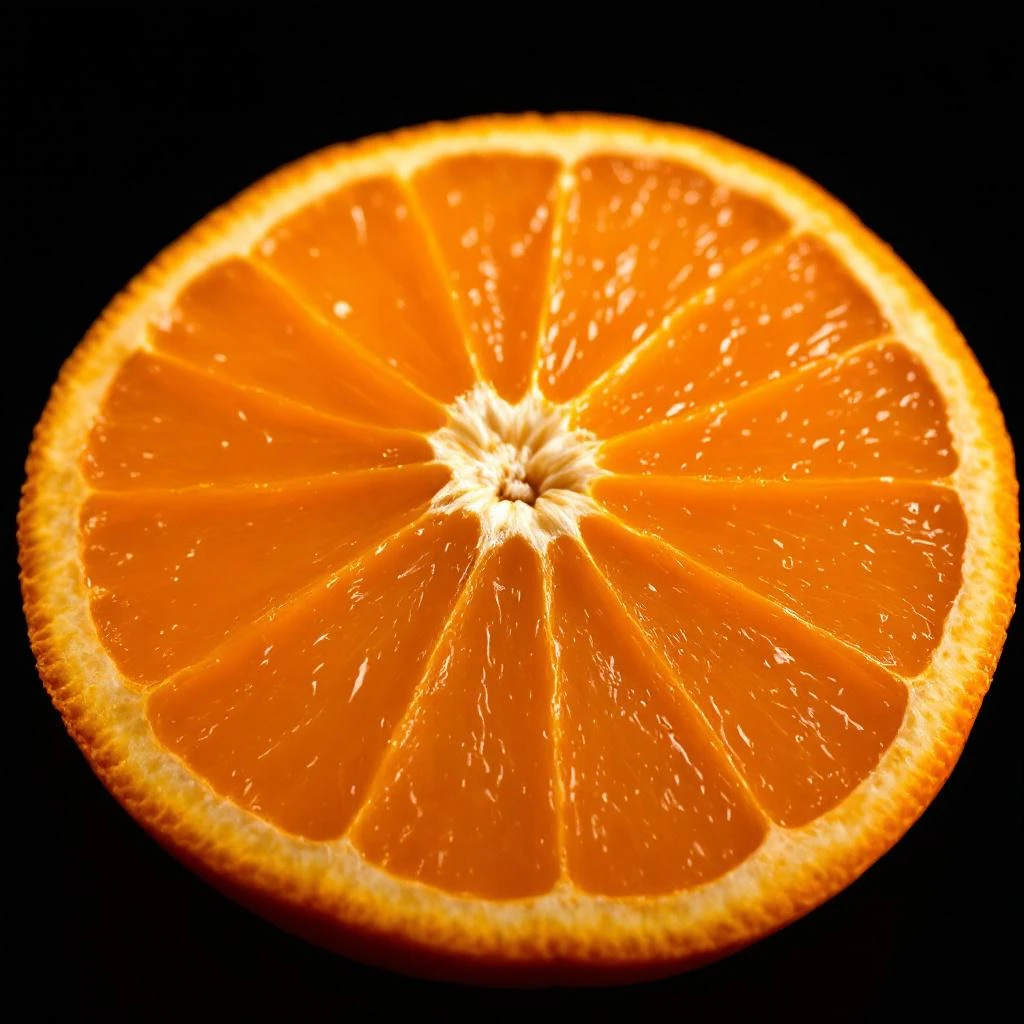
Green fig captures the sun‑kissed leaf of the Mediterranean fig tree, delivering a crisp, green‑herbaceous aroma with a whisper of milky sweetness and subtle earth tones.
Character
How it smells
Fresh, leafy green fig – the scent of sun‑warmed foliage.
Fig leaves were burned as incense in ancient Egyptian temples, making green fig one of the oldest recorded fragrance ingredients still used today.







Origin
Turkey
Fig trees have been cultivated since the Neolithic era, and their leaves entered early perfume traditions as incense and medicinal aromatics. In Greco‑Roman Egypt, priests burned fig leaf bundles to cleanse sacred spaces, a practice documented on temple walls dating to 200 BCE. Despite this ancient use, the green fig note remained marginal in Western perfumery until the late 20th century.
The breakthrough arrived in 1994 when perfumer Olivia Giacobetti launched Premier Figuier, the first fragrance built around a dedicated fig leaf accord. The success sparked a wave of modern compositions that explored the note’s fresh, verdant profile. Throughout the 2000s, green fig migrated from niche creations to mainstream blends, often paired with citrus, woods, or creamy accords to balance its sharpness.
Today, the note symbolizes a bridge between historic botanical reverence and contemporary olfactory innovation.
Wears it best
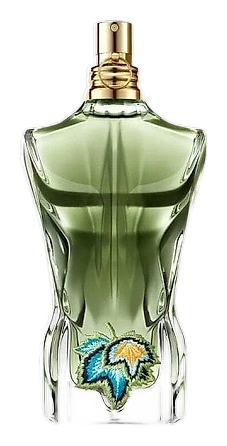
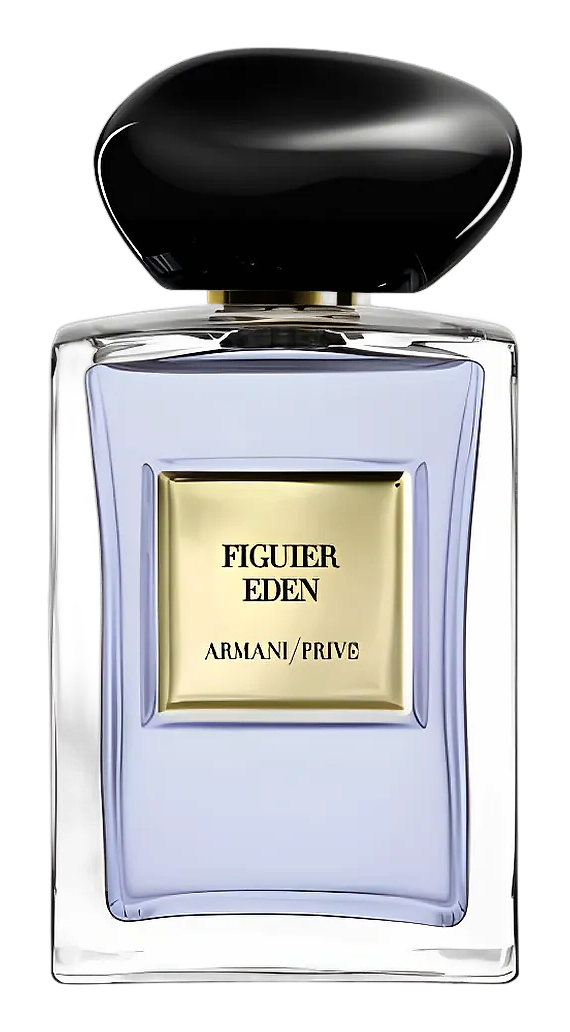
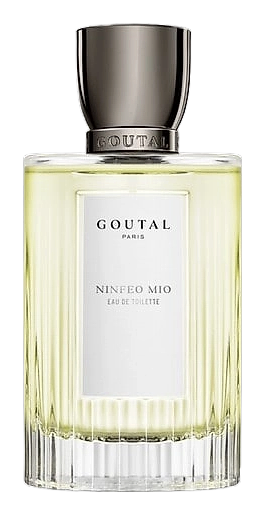
Fragrances featuring Green fig
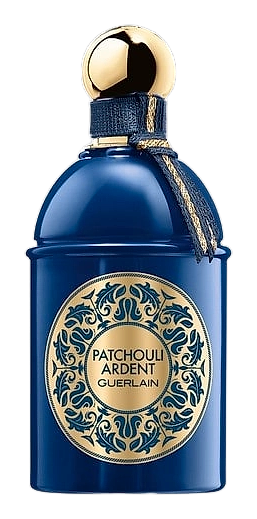
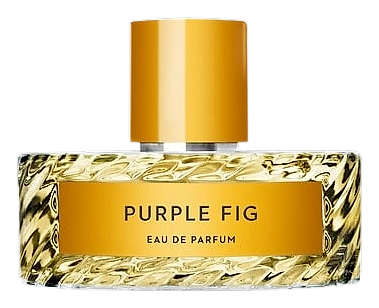
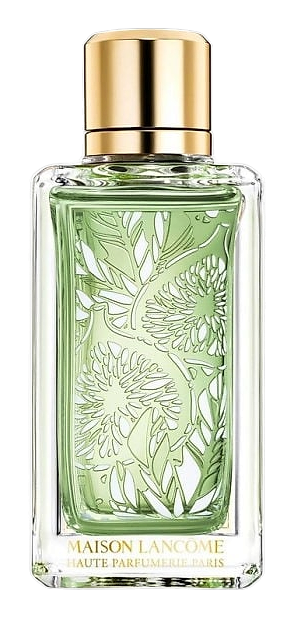
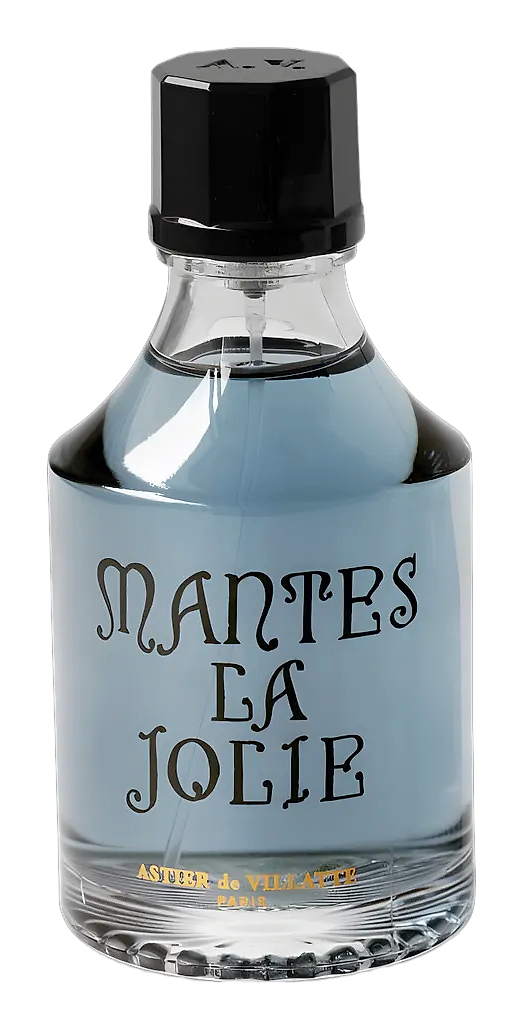
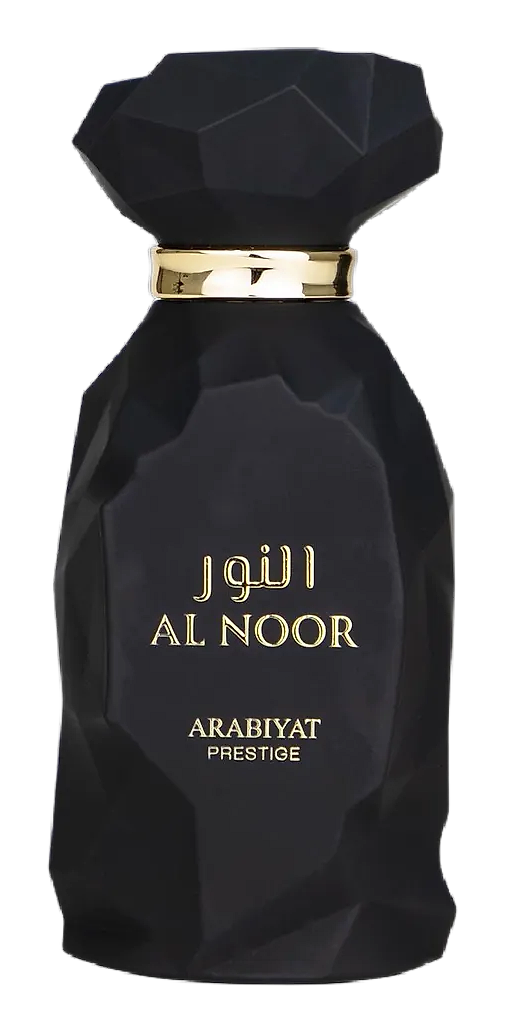
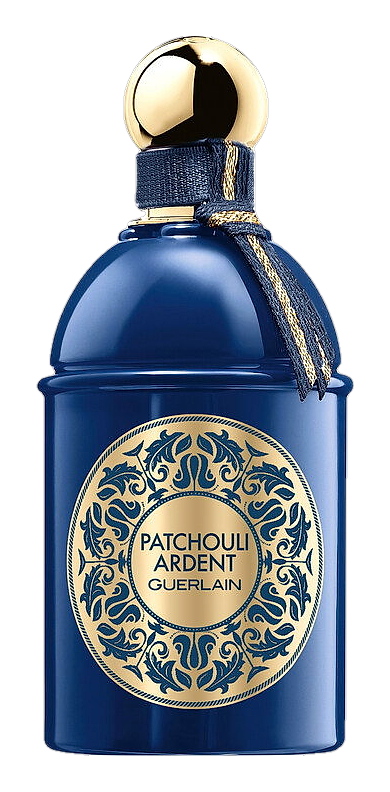
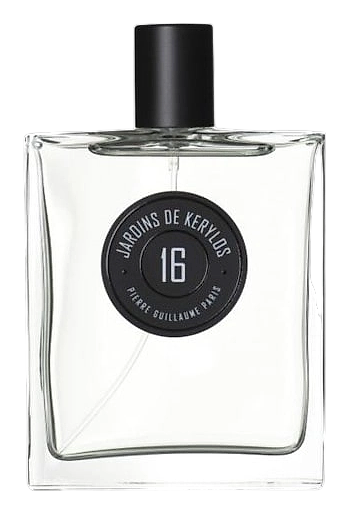
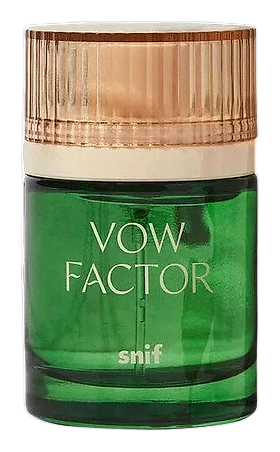

Brands
Brands known for Green fig
Good to know
Questions, answered
The essentials on Green fig in perfumery: how it smells, where it comes from, and how it behaves on skin.
What does green fig smell like?
Green fig offers a crisp, leafy aroma with subtle milky sweetness. The scent recalls sun‑warmed foliage, a hint of fresh cut grass, and a faint honeyed undertone. A 2021 sensory panel recorded a 68 % recognition rate for the “leafy‑green” descriptor among trained perfumers.
How is green fig extracted for perfumery?
The note is obtained mainly through supercritical CO₂ extraction of freshly harvested fig leaves. This method preserves volatile aldehydes while limiting oxidation. CO₂ yields an absolute with 0.12 % fig aldehyde, the key aroma compound.
Why are synthetics used in fig accords?
Natural fig leaf yields very little essential oil, so perfumers blend synthetics to achieve consistency. Molecules such as cis‑3‑hexenal supply the bright green facet. Synthetic fig aldehyde accounts for roughly 85 % of fig accords in commercial releases.
When did fig become a recognized perfume note?
Modern perfumery embraced fig in the early 1990s, highlighted by Premier Figuier in 1994. That fragrance built an entire composition around the fig leaf accord. Premier Figuier’s launch year is documented as 1994 in industry archives.
Which regions produce the best fig leaves for fragrance?
Mediterranean groves, especially those in western Turkey, deliver leaves with a balanced mineral and sun‑kissed profile. The terroir influences the aldehyde concentration. Leaves from the Aegean coast contain 15 % higher cis‑3‑hexenal than those from inland farms.
Can green fig be used in both masculine and feminine scents?
Yes, the note’s fresh green character adapts to a wide range of olfactory families. It pairs with citrus in bright compositions and with woods in deeper structures. Market analysis of 2022 shows fig appears in 42 % of gender‑neutral launches.
Is green fig safe for skin contact?
The extracted absolute meets IFRA standards for topical use up to 2 % in leave‑on products. Proper dilution prevents irritation. IFRA Category 2 limits fig leaf absolute to a maximum of 2 % in perfume.
How long does the green fig aroma last on the skin?
The top‑note evaporates within 15‑20 minutes, leaving a faint creamy trail that can linger up to an hour. Its volatility stems from low‑molecular aldehydes. A 2020 GC‑MS study measured a half‑life of 12 minutes for cis‑3‑hexenal on skin.