
The Story
Why it exists.
The beginning
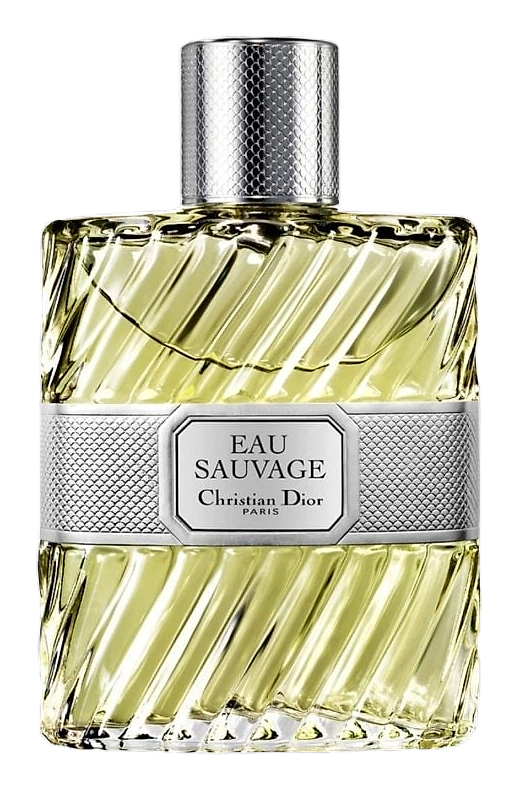
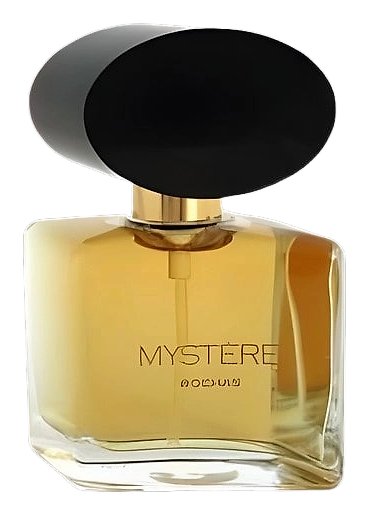
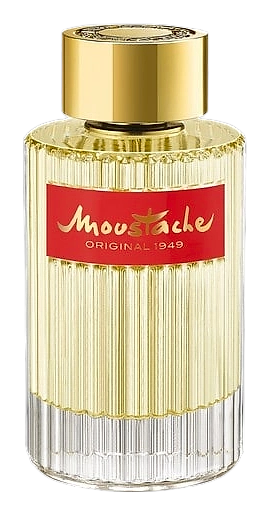
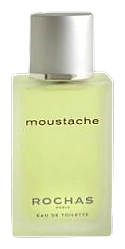
Moustache arrived in 1949, when a man's fragrance was supposed to smell like a man's fragrance. Edmond Roudnitska had other ideas. He'd already proven his dexterity with Dior Eau Sauvage, that 1966 creation proved he understood restraint. But Moustache is something else: a cologne that takes its name from facial hair and uses it to mean something. The mustache as a symbol, cultivated, deliberate, a statement of a certain kind of man. Roudnitska built the scent around that tension. Sharp enough to be masculine. Soft enough to be interesting.
What makes Moustache structurally unusual is the heart. Honey and carnation don't typically live in masculine colognes, especially not ones built on lavender and petitgrain. But Roudnitska wasn't interested in typical. The floral heart acts as a bridge, it keeps the citrus from becoming just cleanliness, and it keeps the oakmoss base from feeling too heavy. It's the part that makes you lean closer. Without it, Moustache would be a competent 1949 cologne. With it, the composition becomes something that still rewards attention decades later.
The evolution
The opening hits fast, basil's green bite, lavender's medicinal calm, lemon verbena brightening everything into sharpness. Thirty minutes in, the citrus pulls back and the honey appears. Not sweet exactly, more like the memory of sweetness, warmed by skin. Rose and geranium arrive quietly, not fighting the herbs but joining them. The carnation is the quiet signal: this isn't trying to be fresh and clean only. Then the base takes over. Oakmoss and cedar, that old-world chypre structure, settling into something warmer as amber and vanilla arrive. The drydown lasts four to six hours on most skin. It's intimate by then. Close. The kind of smell that lives in a collar rather than filling a room.
Cultural impact
Moustache sits in a curious position: a 1949 masculine cologne that doesn't smell like what most people expect from the era. The floral heart, honey, carnation, rose, was unusual then and remains unusual now. It shares company with Dior Eau Sauvage (also Roudnitska) and Guerlain Vetiver in the canon of masculine fragrances that refused to be merely soapy. Wearers who find it tend to keep wearing it. Those who don't often cite the floral heart as the reason. That's not failure, that's honesty. This cologne knows what it is.
The House
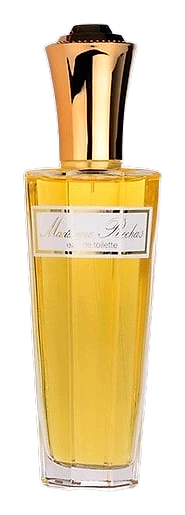
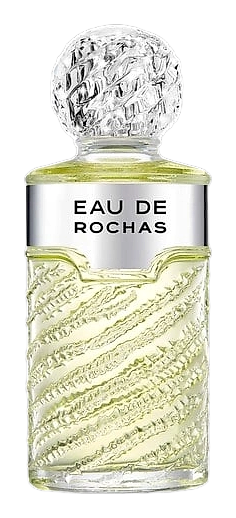
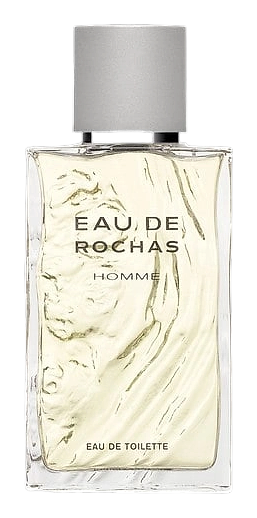
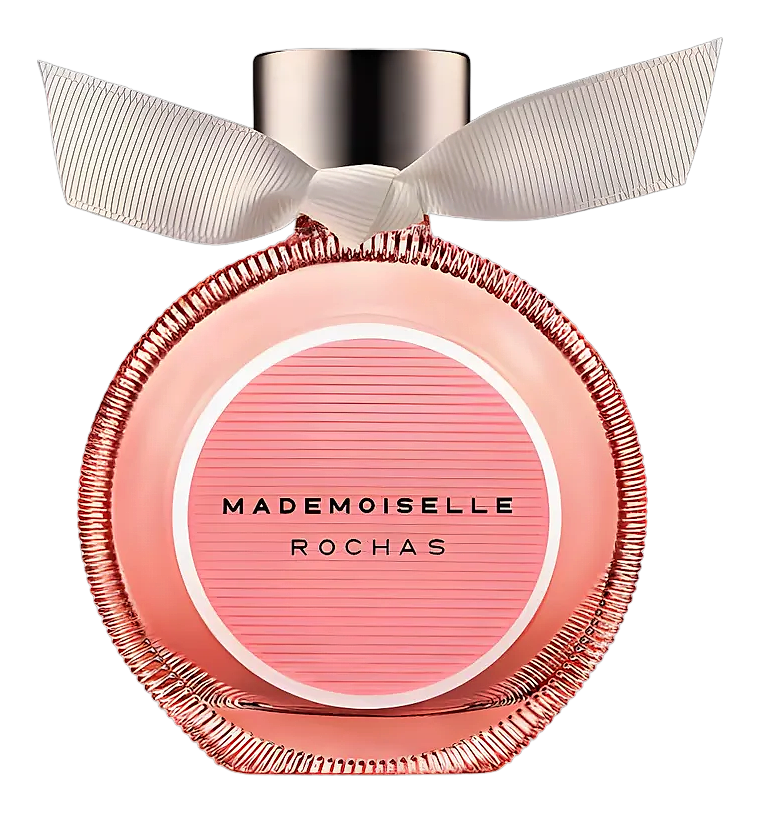
RochasRochas is a French perfume and fashion house established in Paris in 1925 by couturier Marcel Rochas. The house began as a haute couture fashion brand before transitioning into a fragrance powerhouse under the leadership of Hélène Rochas following her husband's death in 1955. Today, Rochas maintains both a fashion division under creative director Alessandro Vigilante and a fragrance collection of 84 perfumes, managed by in-house perfumer Jean-Michel Duriez since 2008. The house is currently owned by Procter & Gamble, which acquired Rochas in 2003. Notable fragrances include Femme (1943), Eau de Rochas (1970), Mademoiselle Rochas (2010), Girl (2015), and Mademoiselle Rochas Couture (2023). The house continues to reinterpret its heritage of Parisian elegance and feminine audacity across both fashion and fragrance.
The Creator
Edmond RoudnitskaRoudnitska's great gift was solving problems nature presented but refused to solve herself. The lily-of-the-valley cannot be extracted; he built Diorissimo from scratch using hydroxycitronellal and allied chemicals, achieving something so convincing that generations of perfume…