
The Story
Why it exists.
The beginning
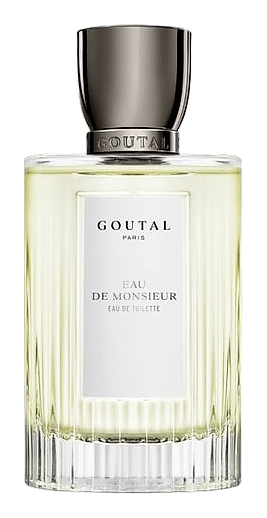
Eau de Monsieur arrived in 1980 as Annick Goutal's first men's fragrance, a quiet departure from what a masculine scent was supposed to do. Rather than projecting authority, she built something translucent. A citrus composition on a bed of amber, citruses, oakmoss, and sandalwood that reads less like a fragrance and more like light caught in glass. The name itself is a nod to tradition, then a gentle sideways step from it. Monsieur, yes. But which one? The one who doesn't need to fill the room.
What makes the 1980 formula distinctive is the drydown, or rather, the near-absence of one. The base notes are so light there's almost no earthiness, spiciness, or milkiness to them at all. As if they've been sun-dried, shimmering, soap-like. Most fragrances build toward something. This one disperses. That restraint was radical for 1980, when the prevailing logic still favored projection and permanence. Goutal composed for the memory of the scent, not its performance.
The evolution
The opening hits bright and clean, bergamot and mandarin orange sparkling with the kind of clarity that says morning, or the hour before a meeting, or the first glass of something cold. The mint arrives quietly, threading coolness through the citrus so it doesn't tip into sweetness. Then the handoff: amber warms the mid-section, oakmoss adds a green, slightly resinous counterpoint to the sandalwood's cream. The composition stays close to the skin throughout. No drama. No announcement. The drydown is where Eau de Monsieur reveals its true nature. Where most fragrances build toward something heavier and more assertive, this one disperses into something almost intangible, soap-like, sun-warmed, with an almost gossamer quality that makes it vanish rather than linger. The sandalwood doesn't anchor so much as dissolve. On fabric, it may as well have never been there. On skin, it persists for 6-8 hours as a whisper rather than a statement.
Cultural impact
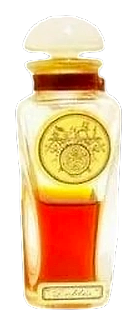
Eau de Monsieur holds a particular place among collectors for its 1980 formula, a luminous, transparent citrus that was discontinued and replaced with a 2013 version that shifts heavier into patchouli and geranium. The original represents a specific moment in Goutal's philosophy: fragrance as memory rather than performance. Wearers describe it as the scent of someone who walks into a room and doesn't need to announce themselves.
The House
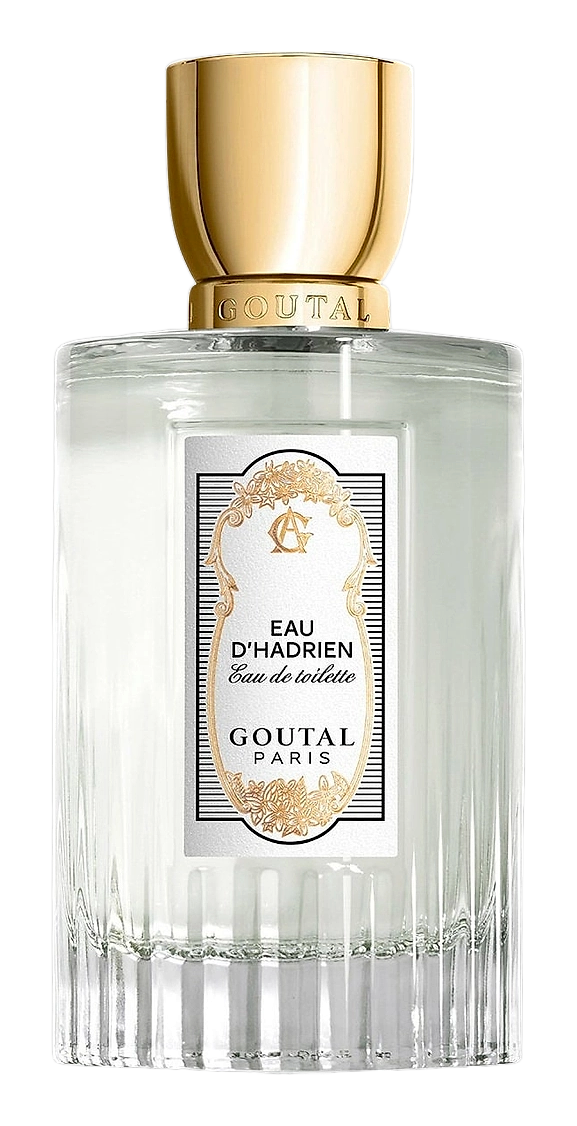
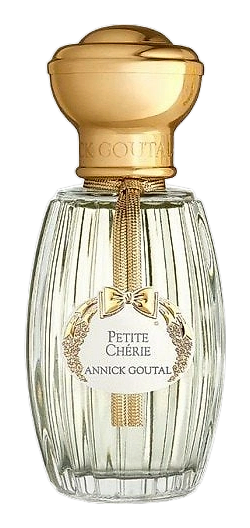
GoutalAnnick Goutal, now known as Goutal Paris, is a French niche perfume house that blends personal storytelling with classic French perfumery. Founded at the turn of the 1980s, the brand quickly earned a reputation for intimate fragrances that echo memories of gardens, travel and music. Its catalogue spans timeless citrus blends such as Eau d’Hadrien, aromatic vetiver, and modern alcohol‑free lines like Rose Pompon Eau sans Alcool. The house remains family‑run, with daughter Camille Goutal steering the creative direction while honoring her mother’s poetic legacy.
The Creator
Annick GoutalAnnick favors a musical structure, layering top, heart, and base notes as a composer arranges melody, harmony, and bass. She reaches for ingredients that echo her childhood: orange blossom, rose, vetiver, and vanilla.