
The Story
Why it exists.
The beginning
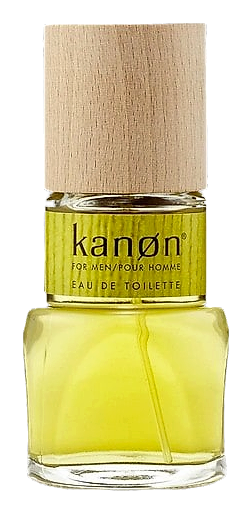
Kanøn arrived as a counterpoint to the prevailing styles of its era. Rather than pursuing bright aldehydic facets or clean citrus bursts, the house chose a different direction entirely. The fragrance draws from moss and wood, from the deep green and long shadows of northern forests. Its opening is cool and austere, the kind of scent that doesn't announce itself but instead invites you to lean closer. The composition builds downward into the earth rather than upward toward glamour. From the first spray, there's a sense of intention, a refusal to soften edges for broader appeal. This scent established the house's character, a scent that commands attention through restraint rather than volume. It doesn't ask to be liked. It asks to be taken seriously, and it still does.
The oakmoss base is the tell. Before IFRA tightened restrictions, oakmoss was the skeleton of classic masculine fragrance, earthy, slightly animalic, impossible to replicate synthetically. Around this foundation, the composition pairs the moss with vetiver, patchouli, and sandalwood in a woodsy foundation that keeps everything grounded. The white florals, lily of the valley, jasmine, violet, add complexity without sweetness. Honey and amber pull just enough warmth to balance the dry opening. The result is a fragrance that feels rooted rather than constructed.
The evolution
The clary sage hits first, herbal, almost medicinal, a little unexpected. Then the Sicilian bergamot cuts in, bright and tart. In the opening phase, this fragrance reads like an aromatic cologne, clean, sharp, almost austere. Then the heart begins to breathe. Lily of the valley and jasmine emerge slowly, cushioned by olibanum and a touch of cinnamon warmth. The citrus doesn't disappear, it softens, becoming a thread rather than a statement. As the fragrance develops, the base takes over. Moss, patchouli, and vetiver settle into the skin. The honey surfaces briefly, a flicker of sweetness in an otherwise dry composition. What lingers is the vetiver and amber, close to the skin, intimate rather than announced. On fabric, it lasts into the evening. On skin, it offers a presence that rewards leaning in.
Cultural impact
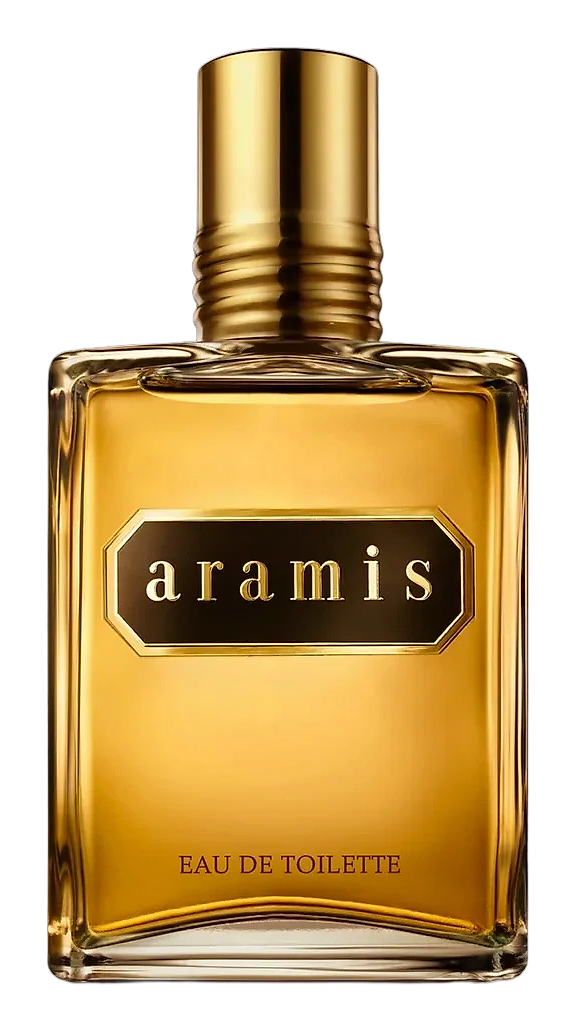
The 1966 heritage places Kanøn for Men alongside vintage classics like Aramis, Antaeus, and Quorum. These were fragrances that defined an era of masculine complexity, each one built on layered woods, resinous bases, and florals that balanced the composition without overwhelming it. Kanøn shares this heritage, this commitment to depth and restraint. Its dry, mossy character and woodsy-floral heart represent a approach to masculine fragrance that prioritizes complexity over immediate agreeability.