
The Story
Why it exists.
The beginning
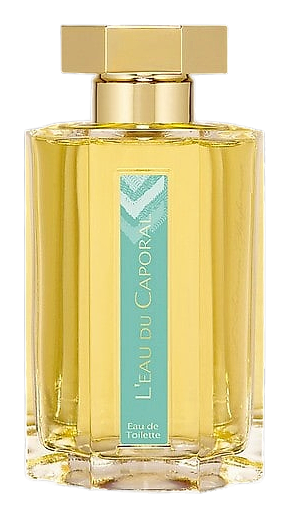
Jacques Fraysse built L'eau du Caporal in 1985. The opening bursts with lemon and tangerine, citrus bright and immediate, a sharp but balanced start that announces itself without hesitation. The herbal heart follows quickly: lavender paired with geranium, kept crisp and green, with a certain austerity that keeps the fragrance grounded. Oakmoss anchors the base, giving the structure its characteristic mossy grip rather than mass. There is a deliberate structure to the composition, each layer visible and distinct, working together to create something that feels both classic and purposeful. The arrangement of notes suggests a careful hand, one that understands how citrus can lead without overwhelming, how herbs can ground without obscuring, and how moss can linger without dominating.
The note structure is citrus, lavender, oakmoss. What makes it interesting is the proportions. The herbal heart plays a supporting role, allowing lemon and tangerine to lead without apology. Oakmoss appears in the drydown with a mossy, slightly mineral presence that outlasts the brightness. Cedar and vetiver support it, patchouli adds a faint earthy depth, but the oakmoss is the point. The drydown reveals the full intent of the composition, a moss-forward finish that stays close to the skin while asserting itself confidently.
The evolution
The opening hits immediately: lemon and tangerine together, a citrus brightness that feels sharp without being acidic. Tangerine softens the lemon's edges within minutes, making the introduction less jarring than a lemon-only top would allow. Lavender and geranium step forward as the heart establishes itself, green, slightly bitter, herbal in a way that grounds the citrus rather than replacing it. The composition settles into its middle phase as cedar and vetiver arrive to reshape the base. Patchouli adds a faint earthy bass note beneath the oakmoss, which asserts itself last and longest. The drydown is mossy, woody, and quietly persistent. Hours later, what remains is a faint warmth of oakmoss and patchouli, a subtle but unmistakable presence that lingers on fabric.
Cultural impact
L'eau du Caporal stands out within L'Artisan Parfumeur's collection. The citrus opening is unapologetically classical, but the lean herbal heart and oakmoss-forward drydown give it a distinctive character. This remains a traditionally masculine composition, a clear presence among the house's more diverse range. Its straightforward approach to the fougère structure sets it apart from narrative-driven releases, offering something direct and purposeful.
The House
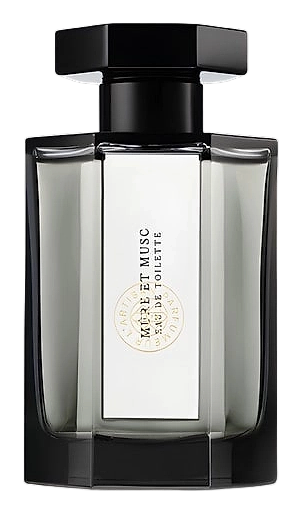
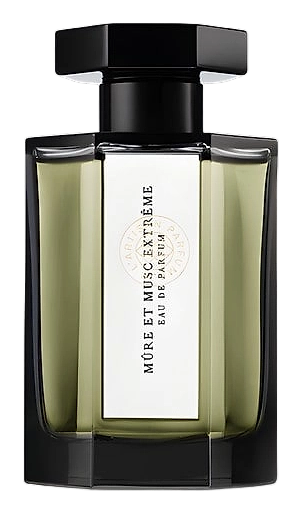
L'Artisan ParfumeurL'Artisan Parfumeur arrived in 1976 with a quietly radical idea: perfume should feel personal, not mass-produced. Founded by chemist Jean Laporte in Paris, the house became one of the first true niche fragrance houses, championing natural ingredients and artisanal craft at a time when blockbuster launches dominated the market. Its Mûre et Musc, launched in 1978, paired blackberry and musk in a way no one had attempted before, and it became a sensation. Over nearly five decades, the house has continued to create unusual fragrances with distinguished noses, never following trends but trusting instead in beautiful materials and imaginative composition.
The Creator
Jacques FraysseGiven his heritage within the French perfumery tradition, Fraysse's work likely reflects the elegant structure and refined balance characteristic of classic French fragrance design. The family's association with houses like Lanvin and Caron points toward an appreciation for op…