
The Story
Why it exists.
The beginning
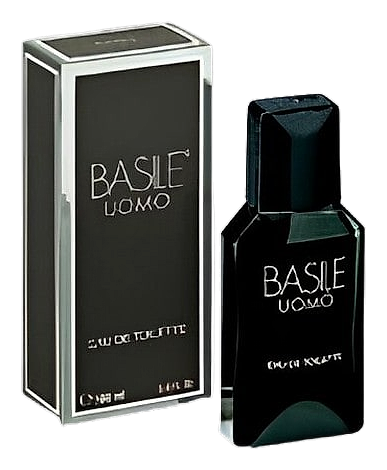
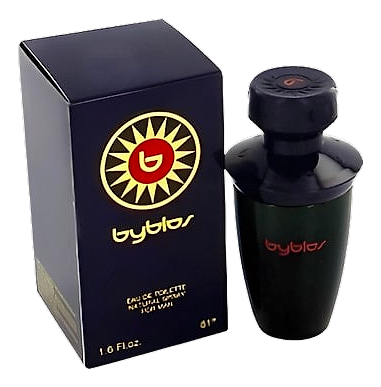
Byblos launched its fragrance collection in 1993, marking the house's entry into olfactory storytelling. Byblos Uomo arrived as the men's counterpart, a bold aromatic fougère. The composition opens with crisp citrus that immediately catches attention, followed by aromatic herbs that add complexity without becoming medicinal. Earthy woods form the backbone, grounding the lighter top notes and lending the fragrance a natural, unpretentious character. The overall effect is something that provokes rather than conforms, inviting the wearer into a dialogue rather than broadcasting a declaration. Byblos Uomo was made for a man who treated personal style as a conversation, not a statement.
The note architecture follows a classical fougère structure, citrus and spices at the top, a heart of lavender and herbs, a mossy-woody base, but Byblos Uomo earns attention through its herbal density. Artemisia and tarragon sit alongside the expected lavender, giving the heart an almost bitter-green undertone that sets it apart from softer contemporaries. The base leans earthy rather than sweet: vetiver and oakmoss provide texture without heaviness, creating a drydown that reads as refined and slightly wild at once. This is an unusual combination in post-1990s masculine fragrance, where sweetness typically wins.
The evolution
The opening arrives bright and immediate, cardamom and bergamot punching through alongside Amalfi lemon and lime. There's a green bite from violet leaf that keeps the citrus from reading as soapy. The heart develops with lavender leading the way, joined by artemisia and tarragon that give the composition an herbal, almost bitter edge. Nutmeg provides warmth underneath without sweetness. As the fragrance progresses, the base asserts itself: vetiver and oakmoss take the lead, with patchouli and cedar adding structure. The drydown is where Byblos Uomo earns its reputation: mossy, earthy, with a musk that stays close to the skin. What lingers is a faint herbal-woody impression, not a statement, a reminder, not a declaration.
Cultural impact
Byblos Uomo belongs to a specific moment in Italian masculine fragrance, the early-to-mid 1990s, when houses were exploring new directions in aromatic compositions. The scent appeals to those drawn to herbal density and earthy restraint rather than sweet woods or aquatic freshness. Byblos Uomo represents a particular approach to masculine scent design that prioritized depth and complexity, making it notable within its category.