





















Heritage
A house, in its own words
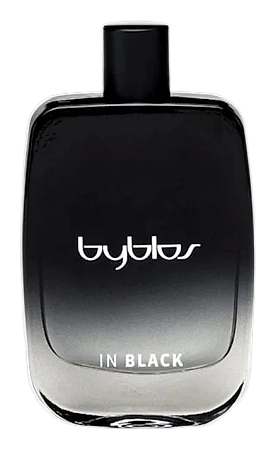
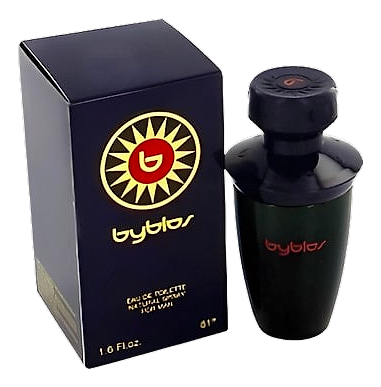
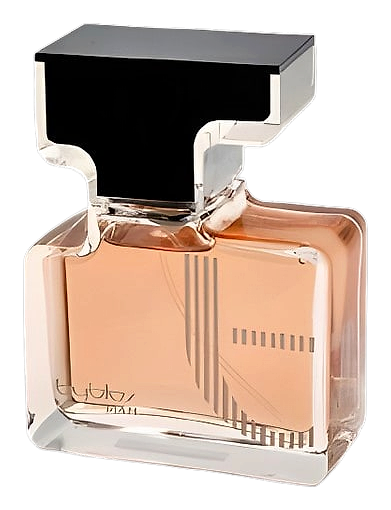
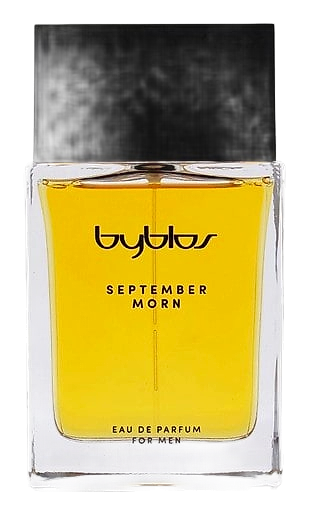
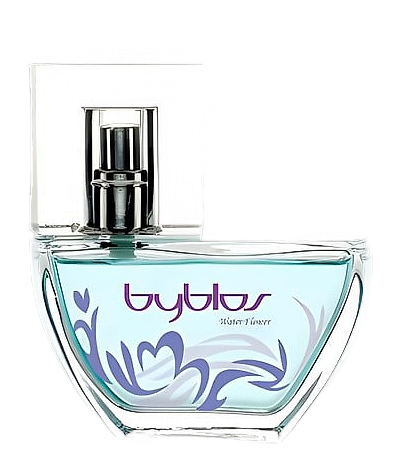
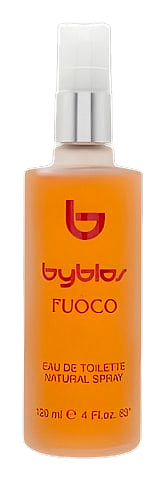
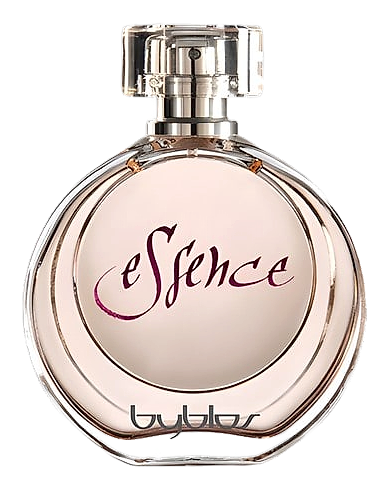
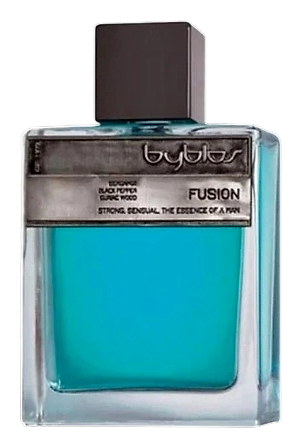
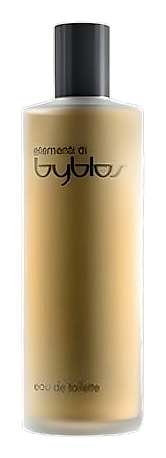
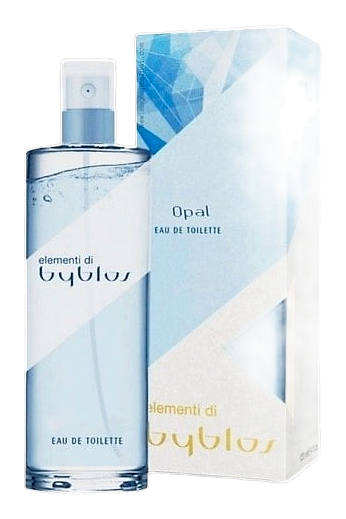
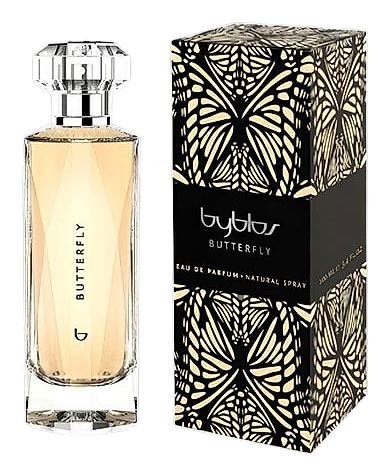
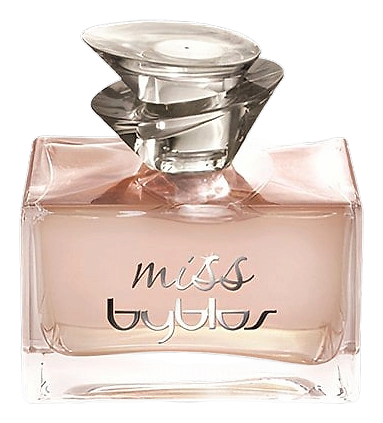
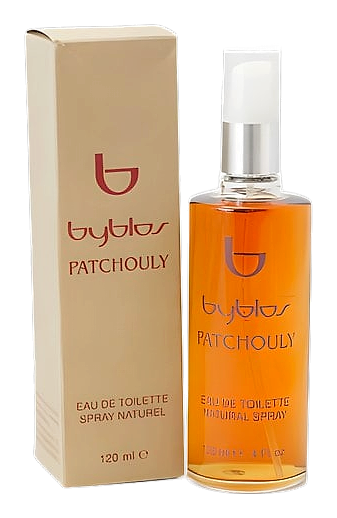
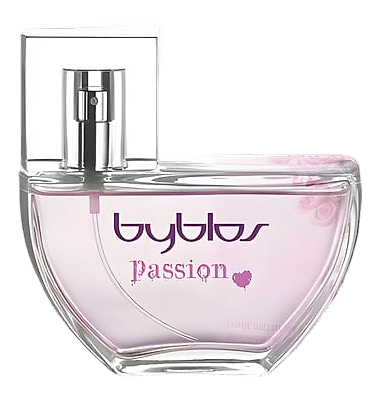
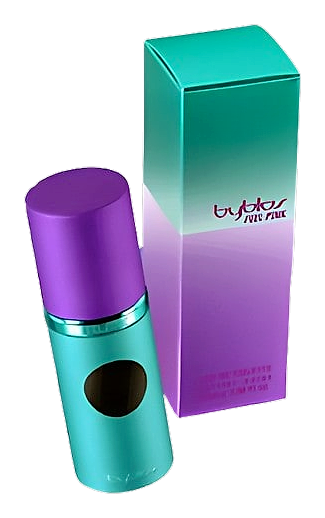
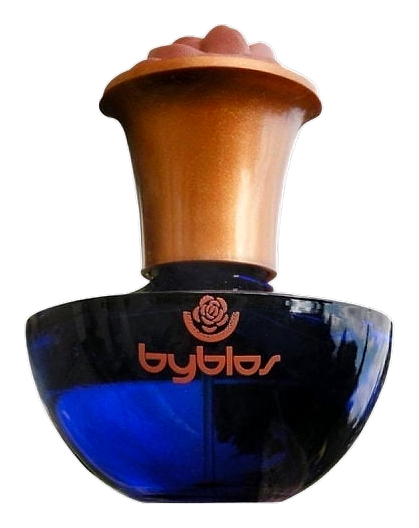
Byblos arrived in Milan in 1973, created for a generation that wanted fashion to feel bold, colorful, and unconventional. The brand rejected established codes from the start, positioning itself as a platform where emerging designers could experiment freely. The pivotal moment came in 1975, when a young Gianni Versace took creative direction. His early work for Byblos introduced the concept of fashion as visual storytelling, layering graphics, prints, and theatrical silhouettes that captured the cultural shifts of the era. Versace remained until the early 1980s, leaving behind a stylistic language rooted in irreverence and vibrancy. The house then entered a phase of continued experimentation under designers like Guy Paulin, Keith Varty, and Alan Cleaver from 1983 to 1996, establishing Byblos as one of the first Italian brands combining Made in Italy craftsmanship with provocative international design. During this period, the brand expanded beyond clothing into eyewear and fragrances, with the fragrance division partnering with Diana de Silva Cosmétiques Group to launch its first scents around 1990. The 1990s and 2000s saw Byblos strengthening its disruptive identity in global markets. In 2022, Manuel Facchini, a Central Saint Martins graduate, took the helm as CEO and Creative Director, opening a new chapter that integrates technology and artificial intelligence into the brand's creative process while honoring its original spirit. Byblos operates from a belief that fashion and fragrance should provoke, not conform. The brand describes its DNA as the fusion of nature and technology, conceived through sport-chic and futuristic design. This tension between organic and hi-tech shapes everything the house produces. Contemporary art and music infiltrate every collection, injecting saturated color and kinetic energy into the fashion landscape. The philosophy centers on transformation rather than permanence, research over repetition. Byblos positions itself as a laboratory before it is a fashion house, a reference point for those seeking alternatives to dominant aesthetics. The name itself carries meaning: Byblos was the ancient Phoenician city where glassblowing was perfected, a place of craft and reinvention. Under Facchini, this experimental mindset extends into digital territory, embracing AI tools in creative and communication processes while maintaining the fearless creativity that defined the house from its founding.