
The Story
Why it exists.
The beginning
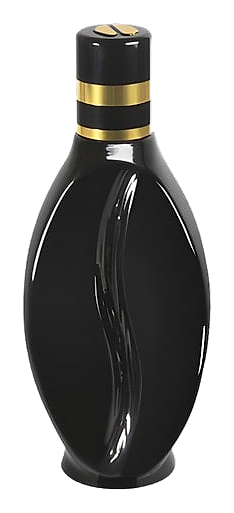
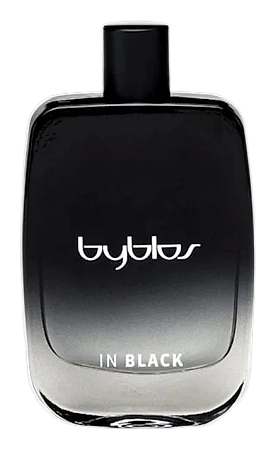
Byblos, founded in Milan in 1973, built its identity on bold experimental fashion that refused easy categorization. In Black, launched in 2011 and crafted by perfumer Guillaume Flavigny, translates this design sensibility into olfactory form. The fragrance draws on Byblos's history of sport-chic energy and futuristic aesthetics, using materials that feel precise and calculated rather than soft and romantic. The pepper and grapefruit in the opening reflect this mentality: clean, intentional, designed to make an impression rather than ease into it.
The note structure reflects a deliberate choice to open boldly and settle into restraint. Black pepper and grapefruit function as an immediate statement, while the drydown built on vetiver, cedarwood, and benzoin offers longevity without excess. The resinous heart acts as a bridge between these two extremes, providing warmth and complexity that prevents the transition from feeling abrupt. This construction mirrors Byblos's approach to fashion: bold initial impact, careful construction, and a final result that rewards attention.
The evolution
The fragrance moves through three distinct phases, each with its own character. The opening is defined by black pepper's clean heat and grapefruit's tart brightness, a pairing that feels like cold air on skin. Neroli softens the initial sharpness just enough to keep it wearable. The heart shifts toward resinous warmth, where geranium brings an aromatic complexity that bridges the gap between the sharp top and the woody base. The drydown unfolds slowly, revealing vetiver's dry, smoky character alongside cedarwood's warm timber notes. Benzoin adds a gentle sweetness that rounds the base, while tonka bean and patchouli complete the composition with a rich, slightly earthy finish that remains close to the skin for hours.
Cultural impact
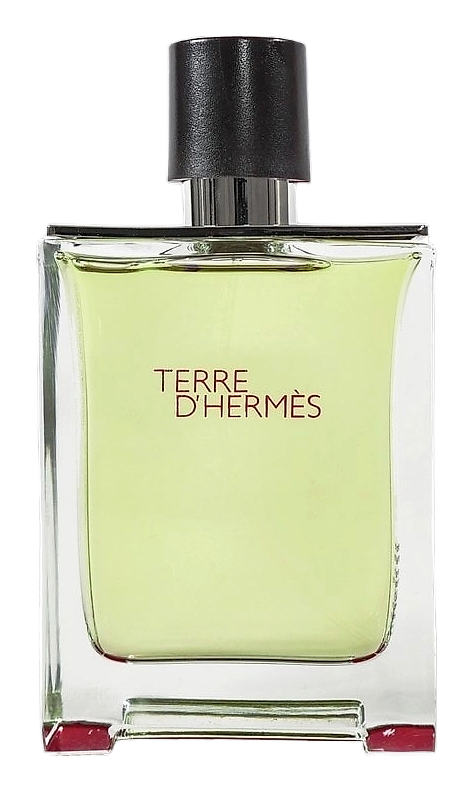
Since its 2011 debut, In Black has been noted for its sharp citrus‑spice opening that sets it apart from typical woody men’s scents. Wearers often compare its vetiver‑cedar backbone to Terre d’Hermès (2006), while its peppery edge recalls Bushukan’s aromatic vigor (2005). The fragrance has become a quiet staple for those who favour a confident, urban vibe without overt sweetness.