The Story
Why it exists.
The beginning
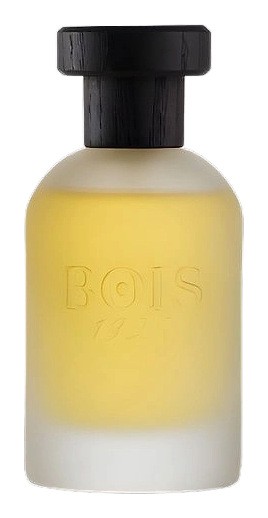
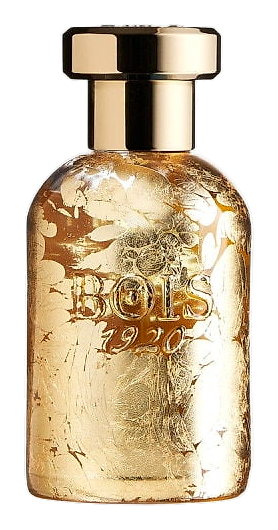
Vento di Fiori, Wind of Flowers, arrived in 2008 from Enzo Galardi at Bois 1920, a house that has built its name on quiet understatement rather than bold statements. The name itself is a provocation: call a fragrance something as light and transient as wind through petals, then build it from materials that do the opposite. The Sicilian citrus at the opening is immediate and effervescent, bright and lively, the zest of citrus fruit that seems to fill the air. But the heart adds complexity that refuses to stay decorative. Pink pepper introduces a clean, almost metallic spice that prickles at the edges of the citrus brightness. Coriander deepens it into something herbal and dry, its slightly soapy quality keeping the composition grounded and preventing any veering toward sweetness.
What makes the structure unusual is the relationship between the opening and the drydown. The citrus in Vento di Fiori is not a polite formality, it's genuine Sicilian mandarin, juicy and tart, carrying actual fruit character rather than a citrus accord that merely suggests brightness. The pink pepper in the heart amplifies that energy rather than tempering it, adding a spice that reads as pink rather than black, clean, slightly floral, with a hint of effervescence. Coriander is the surprise material here: its soapy, herbaceous quality keeps the composition from tipping into sweetness even as the amber in the base builds warmth.
The evolution
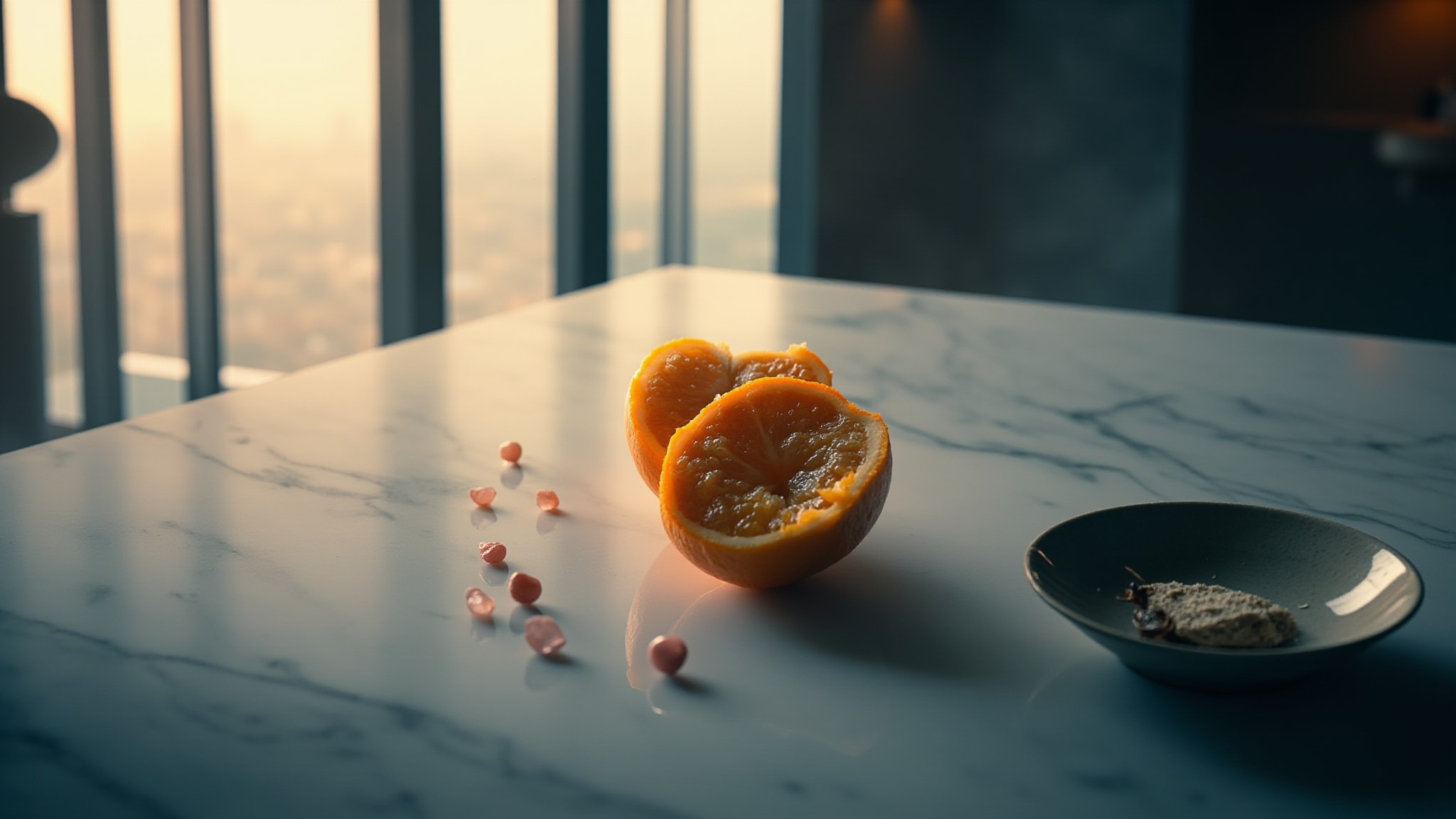
The opening arrives clean and bright, Sicilian mandarin and sweet orange giving you the juice without delay. It smells like citrus fruit split open, the oils on your fingers. Soon the pink pepper and coriander take over the transition, and that is where the fragrance reveals its hand: not a floral at all, but a warm spice that keeps the citrus honest. The coriander has that dry, slightly soapy herb quality that prevents the composition from ever reading as sweet. The rosewood contributes a warm, slightly resinous wood that sits just beneath the spice, adding body to the mid-section. Then the base arrives, and it is a full hand-off. The citrus is gone. The spice softens. What remains is Indonesian patchouli, clean and earthy, intertwined with incense and amber.
Cultural impact
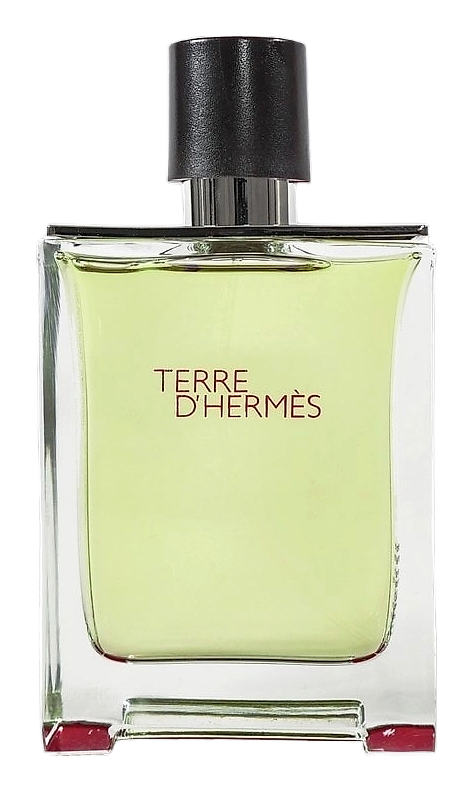
Vento di Fiori occupies an unusual position among Bois 1920's catalog, it carries a floral name but performs like something earthier and more complex. The composition draws comparisons to Terre d'Hermès for its dry spice-and-wood structure, though Vento di Fiori's citrus opening is brighter and its incense drydown more pronounced. The 2008 release positioned the fragrance within a space that values restraint and nuance, appealing to those who seek depth beyond surface impression.