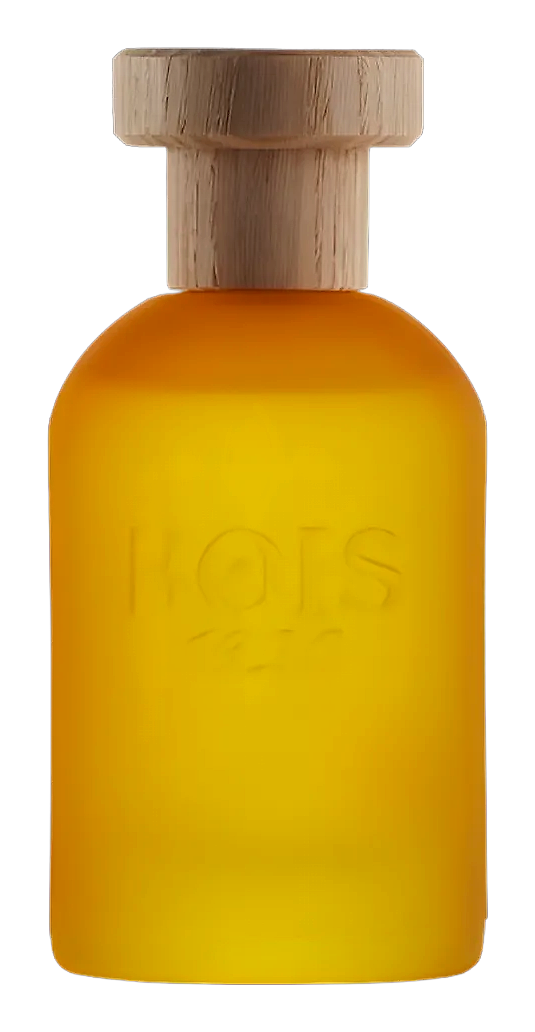
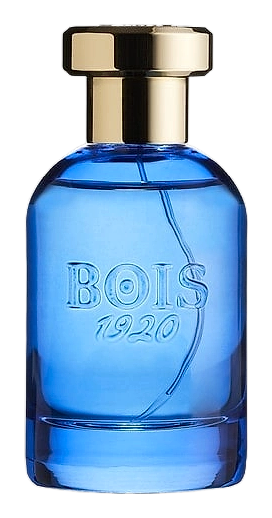
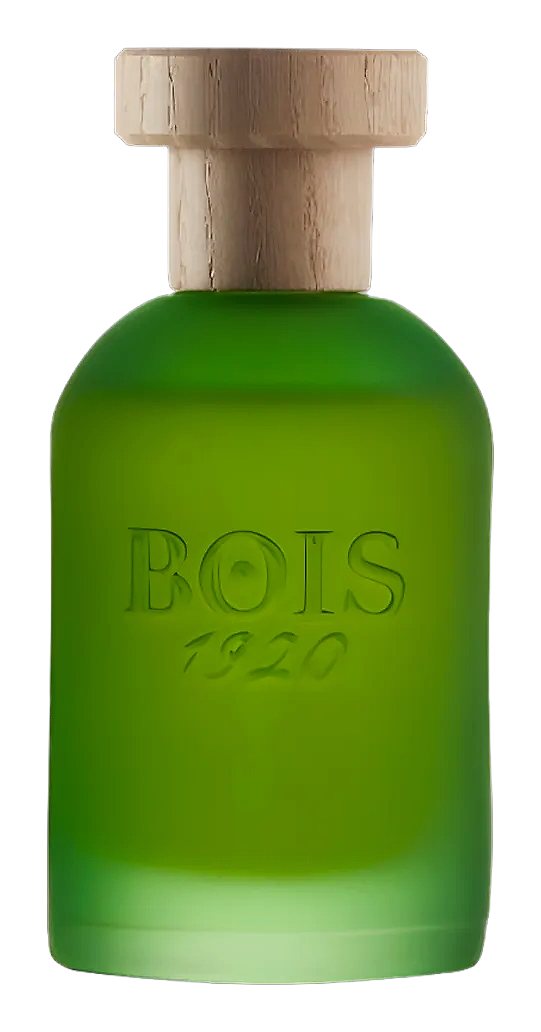

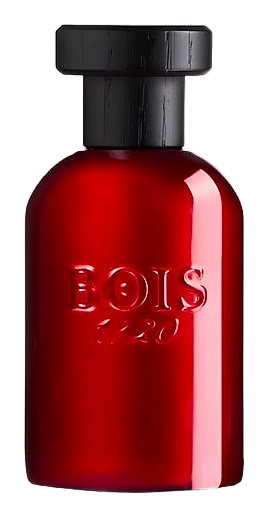












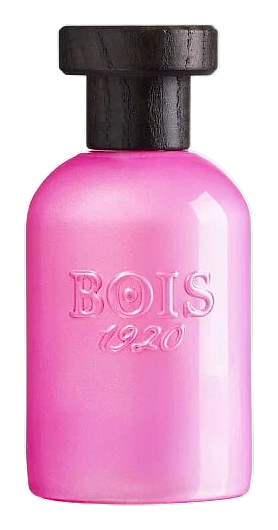

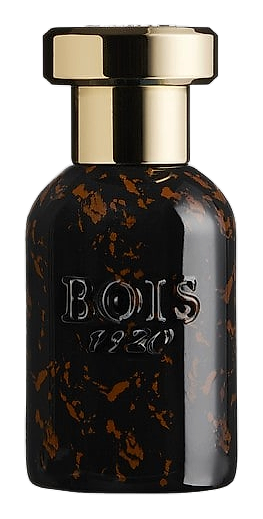
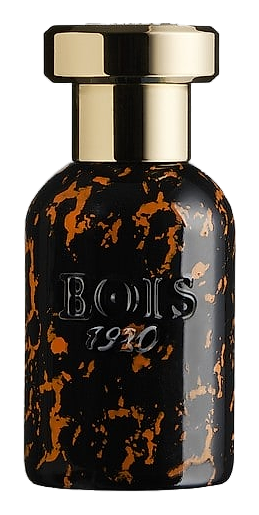
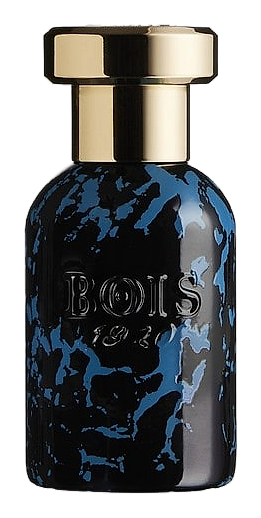




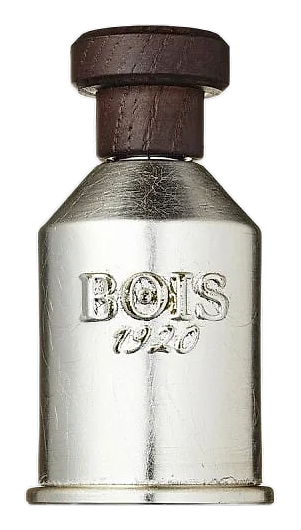
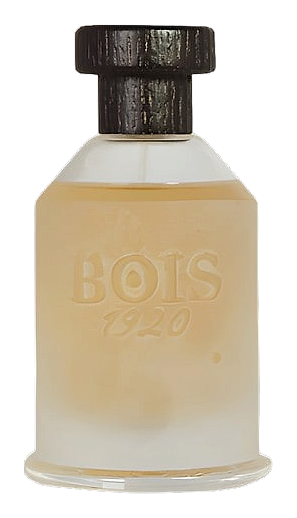
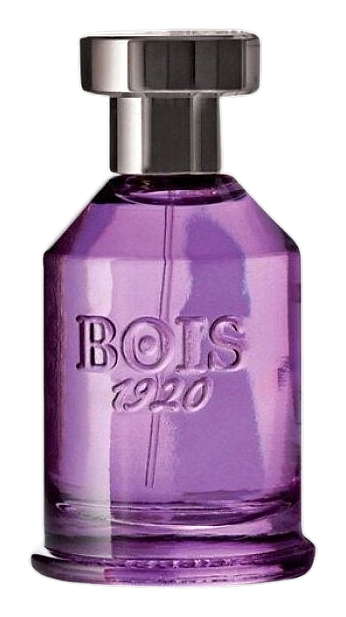
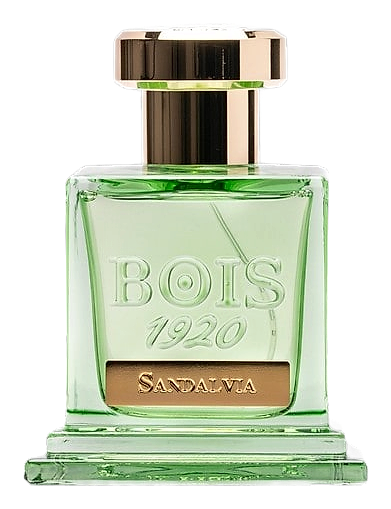
The Heritage
The Story of Bois 1920
Bois 1920 is an artisan perfume house rooted in Florence, Italy. The label draws its name from the year its founder, Guido Galardi, first mixed scents in a modest workshop on Via de’ Benci. Today the brand offers a catalogue that spans more than two decades, from the early vetiver‑rich Vetiver Ambrato to the recent floral Decisamente Rosa. Each fragrance is presented as a singular experience, reflecting a commitment to raw‑material quality and a quiet, measured creativity.
Heritage
The story of Bois 1920 begins in 1920, when Guido Galardi, a young Florentine with a fascination for botanical extracts, set up a tiny laboratory in his family’s courtyard. He harvested lavender from the hills that ring the city and experimented with tinctures using copper stills that had been employed by local apothecaries. Over the next decade he refined a handful of simple blends that were shared with friends and neighbours. By the 1950s the Galardi workshop had grown enough to serve a small circle of boutique retailers in Tuscany. The brand remained a family operation; after Guido’s death, his son Marco continued the practice, adding a focus on sourcing ingredients from specific terroirs. In 2005 the house released Vetiver Ambrato, its first widely documented fragrance, marking a shift toward limited‑edition releases that appealed to collectors. The following years saw a steady stream of new scents: Notturno Fiorentino (2010) explored nocturnal florals, Come L’Amore (2011) blended citrus and amber, and Oro 1920 (2013) celebrated the original year of the house with a gold‑tinged amber accord. Vento nel Vento (2013) and Real Patchouly (2005) reinforced the brand’s commitment to natural raw materials. Recent milestones include Sacro E Profano (2022), a fragrance that pairs incense with rare woods, and Scorzaforza (2024), a modern reinterpretation of a 1920s leather scent. The most recent addition, Decisamente Rosa (2026), showcases a rose harvested from a historic garden in the Tuscan countryside. Throughout its century‑plus existence, Bois 1920 has remained a small‑scale operation, with production still centred in the original Florentine workshop.
Craftsmanship
Production at Bois 1920 still takes place in the original Florence workshop, where hand‑mixing remains the norm. Raw materials are sourced from regions known for their aromatic heritage: Tuscan lavender, Haitian vetiver, Indonesian patchouli, and Moroccan ambergris substitutes are among the most frequently cited origins. Ingredients arrive in sealed glass containers, which are inspected for clarity and aroma before entering the blending room. The house uses stainless‑steel vats that are cooled to a precise temperature, allowing volatile top notes to integrate without premature evaporation. After the initial blend, the mixture rests for several weeks in dark glass bottles, a practice that mirrors the aging techniques of historic perfume houses. Quality control involves a small panel of family members and long‑standing collaborators who evaluate each batch for consistency with the original formula. Bottling is performed by hand; each bottle is filled using a calibrated pipette, capped with a wooden stopper sourced from reclaimed Italian furniture, and labeled with a hand‑written script that reflects the year of creation. The final product is boxed in a simple kraft paper sleeve, reinforcing the brand’s minimalist aesthetic while protecting the fragrance during transport.
Design Language
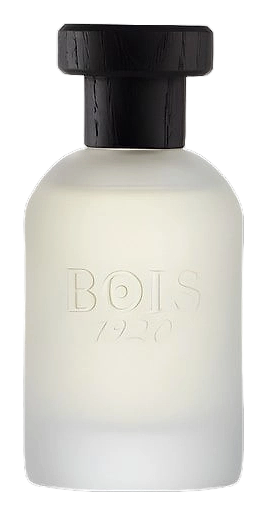
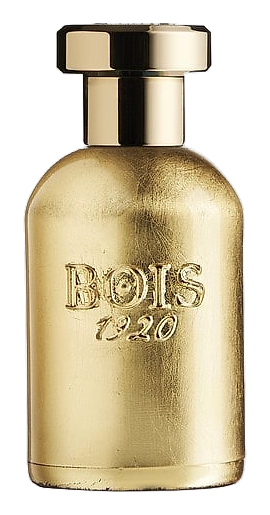
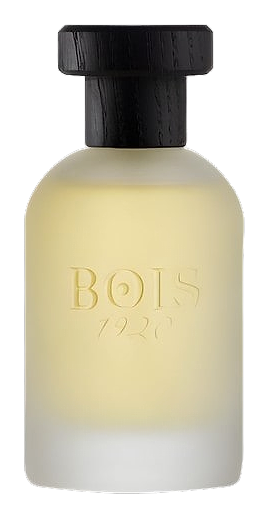
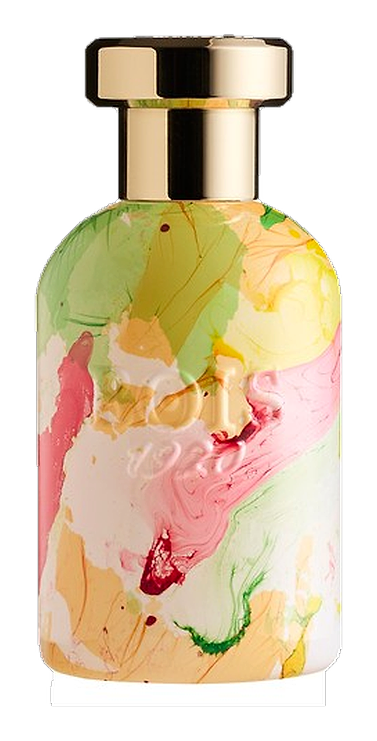
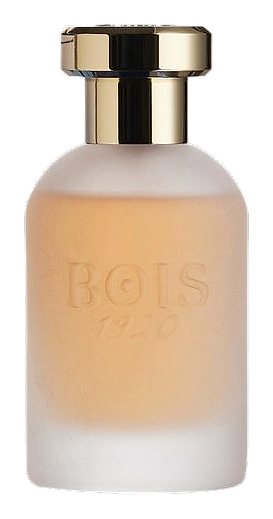
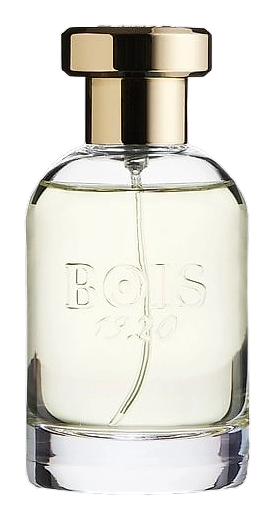
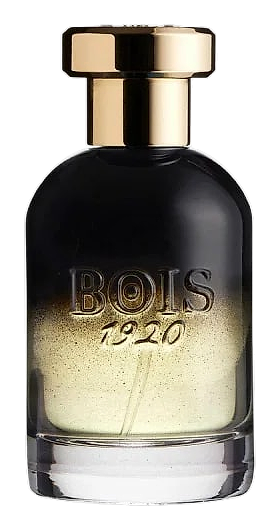
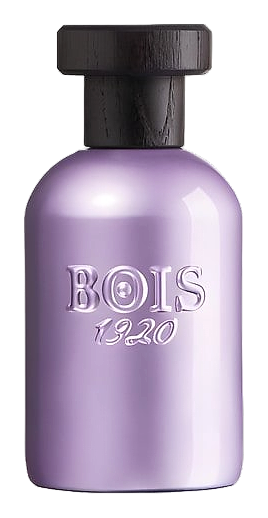
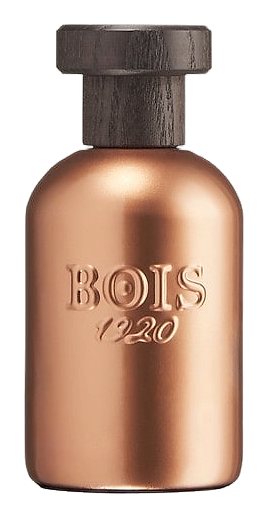
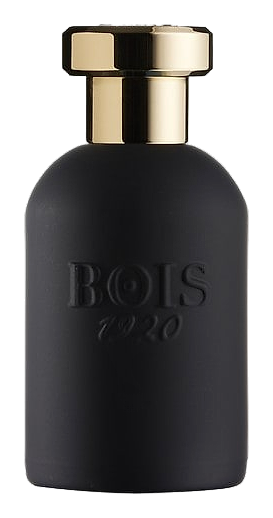
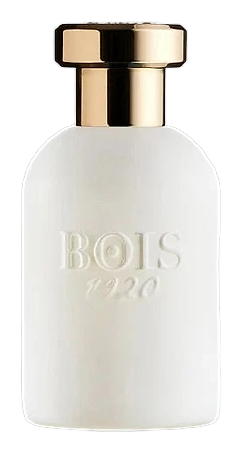
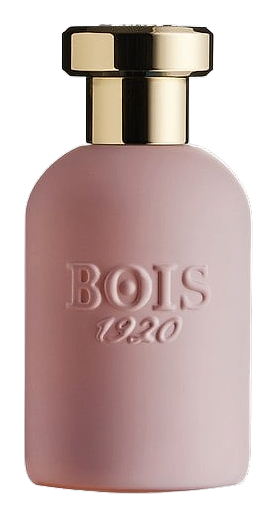
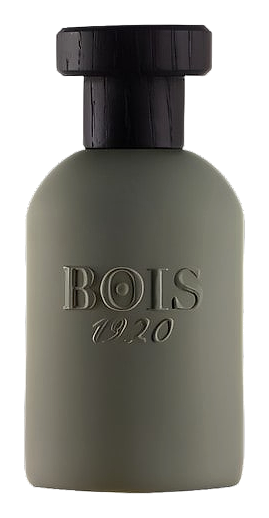
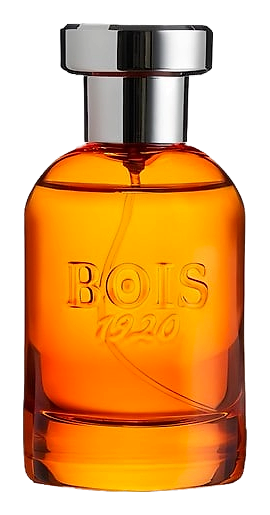
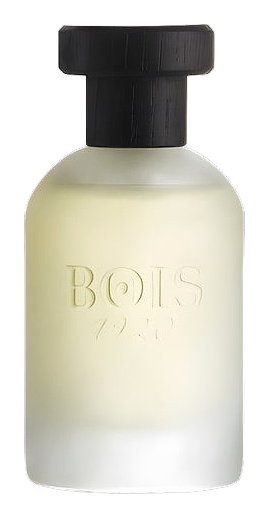
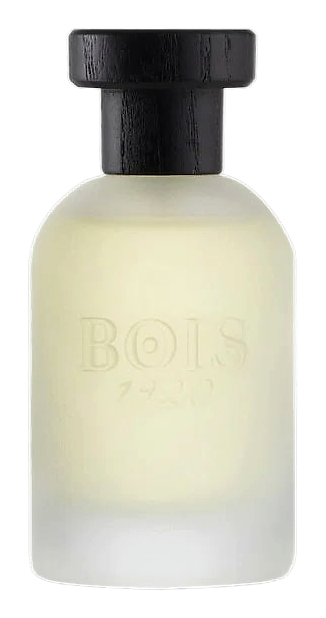
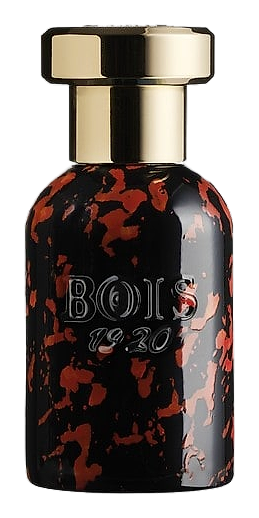
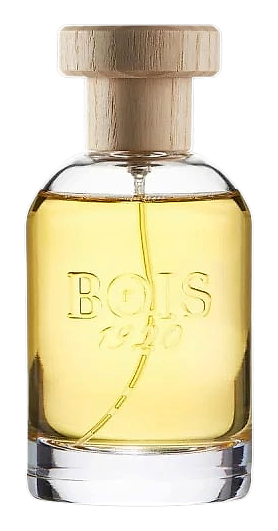
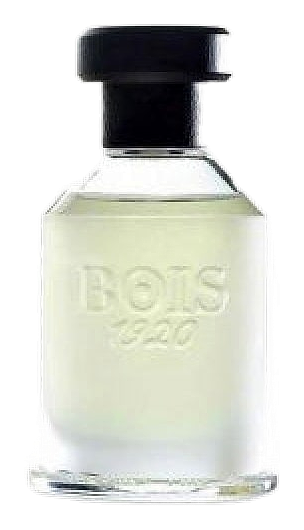
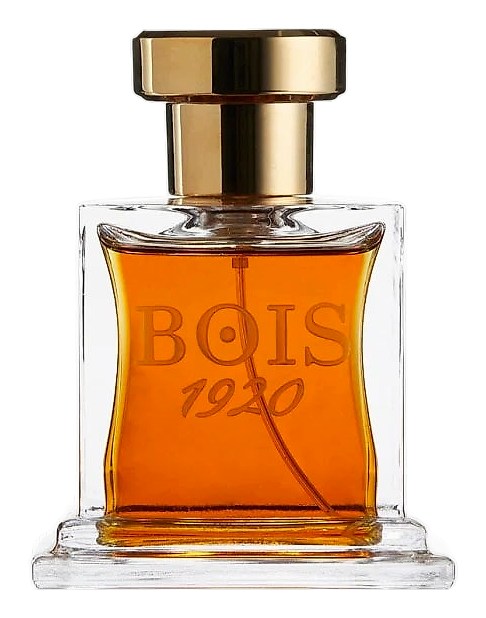
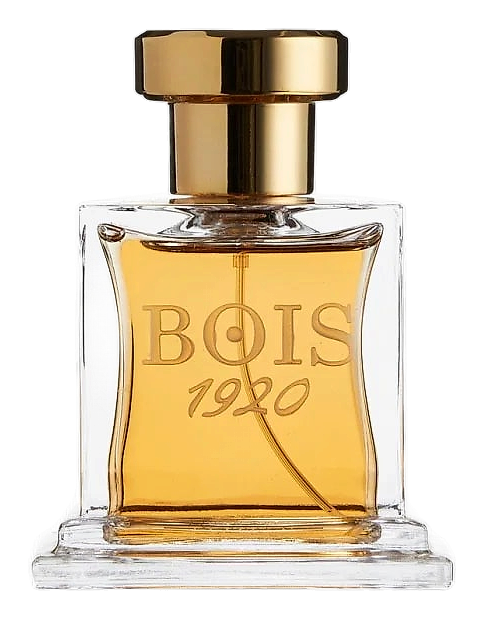
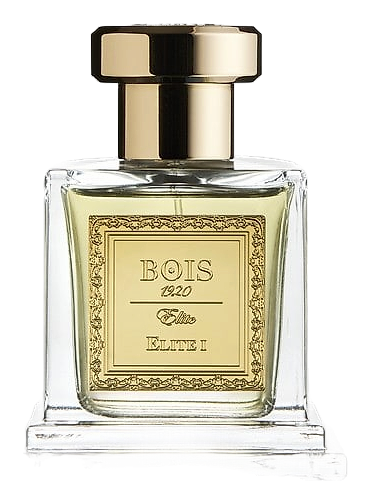
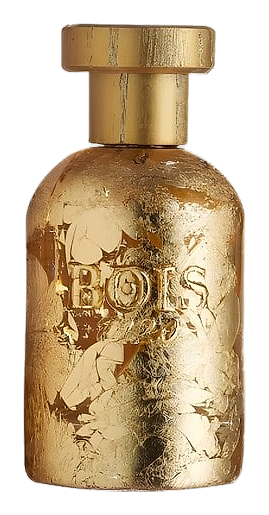
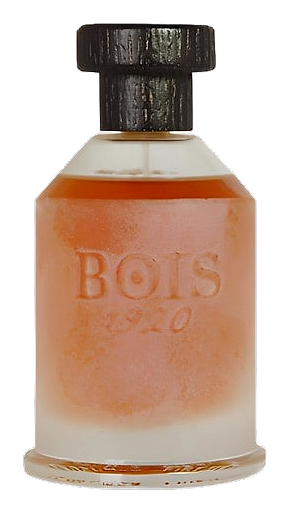
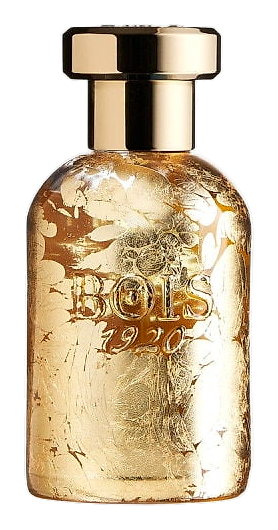
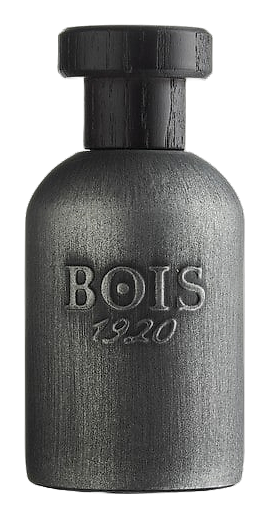
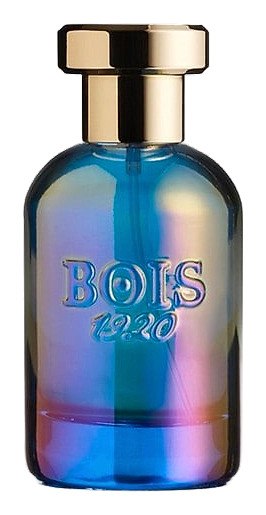
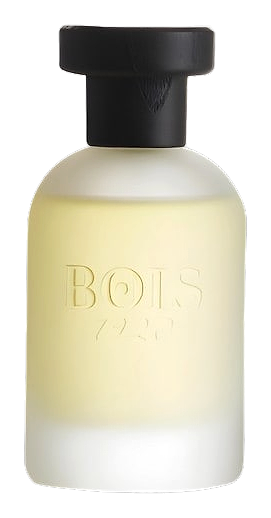
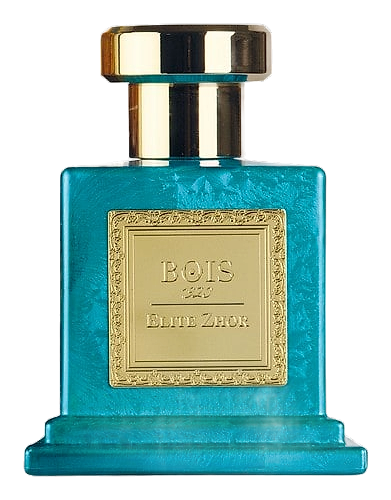
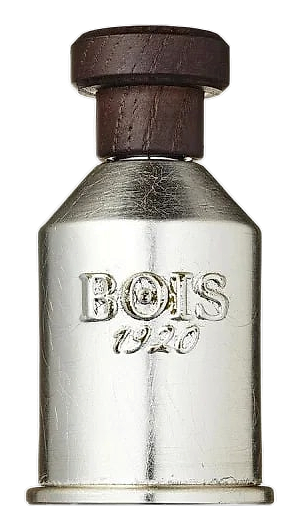
Visually, Bois 1920 embraces a restrained, vintage‑inspired language. Bottles are typically clear or amber glass with clean lines, allowing the colour of the perfume to become the focal point. Labels feature a thin, serif typeface that echoes early 20th‑century Florentine print, and the brand name is often stamped in gold foil on the neck of the bottle. Caps are made of natural wood, sometimes left raw, sometimes polished, and they bear a subtle imprint of the Galardi crest. The packaging exterior is a muted kraft or recycled cardboard sleeve, printed with minimal information: the fragrance name, year of release, and a brief poetic note. This understated visual identity mirrors the house’s philosophy of letting scent speak for itself, and it positions the brand alongside other niche houses that favour heritage over flash. In retail settings, Bois 1920 displays are arranged on reclaimed wooden shelves, reinforcing the connection between the product and its artisanal roots.
Philosophy
Bois 1920 frames perfumery as a dialogue between nature and the hand that blends it. The house states that each formula is approached as an alchemical act, where the purity of the raw material dictates the direction of the composition. Rather than chasing trends, the brand looks to the historic practices of Florentine apothecaries, allowing those methods to inform contemporary scent structures. Sustainability appears in the choice of ingredients: the team prefers plant extracts harvested at peak ripeness and works with growers who practice low‑impact agriculture. The brand also limits batch sizes to preserve the integrity of each aroma, believing that a smaller volume encourages a more intimate relationship between creator and consumer. Creative decisions are guided by narrative: a fragrance is meant to evoke a specific memory or place, whether it is the scent of lavender fields at dawn or the metallic whisper of an old railway station. This narrative focus is reinforced by the fact that many releases are tied to personal milestones in the Galardi family, turning each bottle into a small chronicle of the house’s ongoing story.
Key Milestones
1920
Guido Galardi begins experimenting with aromatic extracts in a small Florentine workshop.
2005
Release of Vetiver Ambrato, the first widely documented fragrance from the house.
2010
Notturno Fiorentino launches, exploring nocturnal floral accords.
2011
Come L'Amore debuts, blending citrus top notes with a warm amber base.
2013
Oro 1920 and Vento nel Vento are introduced, celebrating the brand’s founding year and a breezy aromatic concept.
2022
Sacro E Profano releases, pairing incense with rare woods.
At a Glance
Brand profile snapshot
Origin
Italy
Founded
1920
Heritage
106
Years active
Collection
2
Fragrances released
Avg Rating
4.1
Community sentiment
Release Rhythm


