The Story
Why it exists.
The beginning
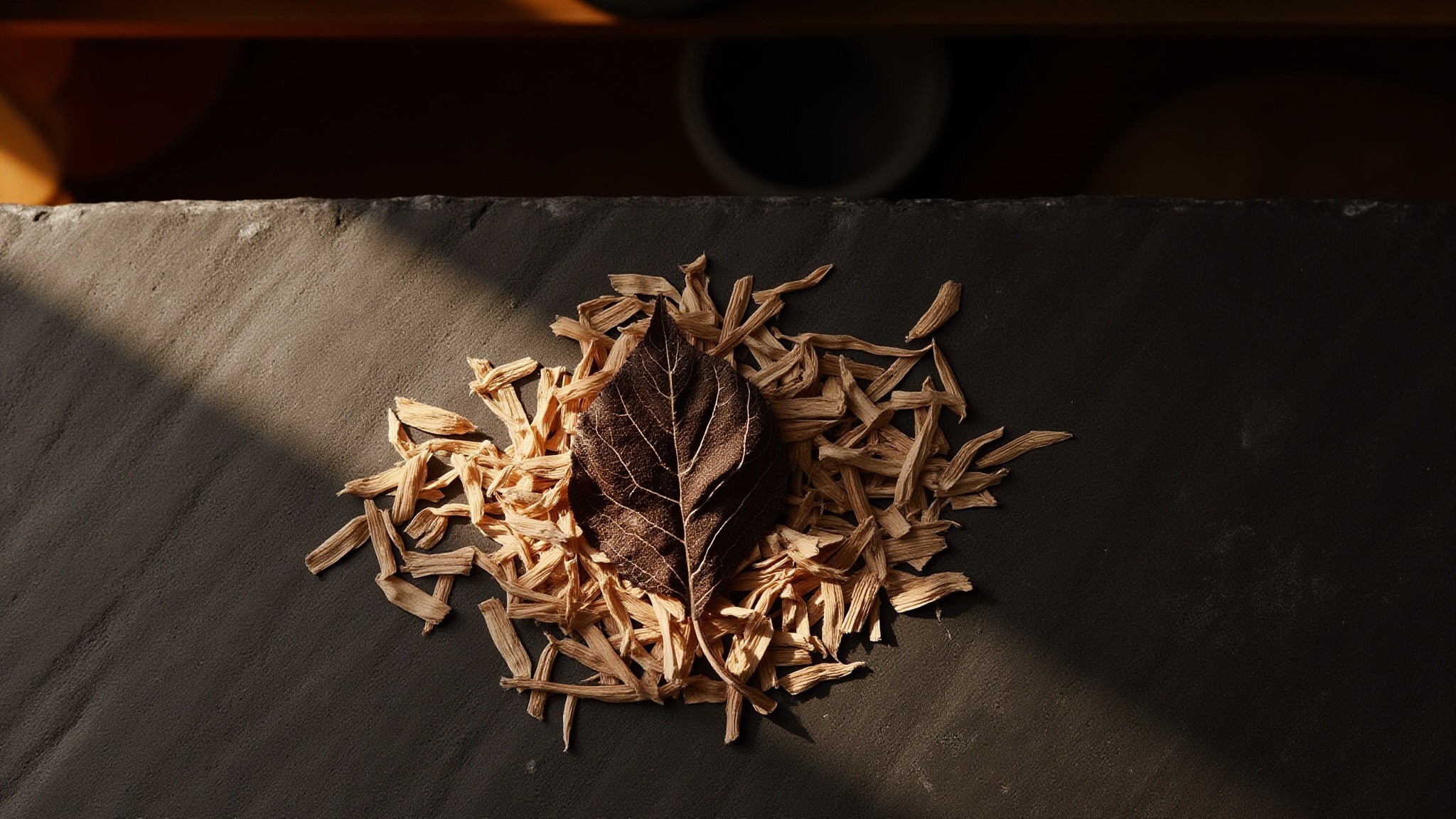
In 2005, Enzo Galardi set out to answer a question that had been haunting patchouli lovers for decades: what would this note smell like if someone actually respected it? The mass market had turned patchouli into a punchline, heavy, dirty, one-dimensional. Galardi wanted something else. He reached for Indonesian patchouli, known for its depth and chocolate-like richness, and paired it with Indian sandalwood and Texan cedarwood. The name said everything: Real Patchouly. Not a variation. Not an interpretation. The real thing.
What makes this structure interesting is the cedar-patchouli dialogue. Texan cedar opens bright and almost aromatic, a foil to the earthiness coming next. The Indonesian patchouli doesn't arrive all at once. It builds. By the time sandalwood joins, the composition has shifted from aromatic opening to something warmer, creamier, with the patchouli finally asserting itself as the dominant voice. Thyme appears in the heart, adding an herbal counterpoint that keeps the whole thing from becoming too sweet. It's the kind of structure that rewards patience, you don't smell the best part in the first spray.
The evolution
The opening hits with Texan cedar and an herbal burst, thyme and something slightly green that some wearers describe as celery, others as eucalyp tus. That initial phase lasts maybe twenty minutes. Then the patchouli arrives. Not gently. It settles in with a thickness that surprises, followed by Indian sandalwood that smooths the edges. The drydown is where Real Patchouly earns its name. Amber, tobacco, and vanilla create a base that lasts 8-10 hours on most skin. That tobacco-tobacco warmth lingers on fabric into the next day. On skin, it becomes skin-warm and close, the kind of sillage that someone three feet away notices only when you move toward them.
Cultural impact
Since 2005, Real Patchouly has become a reference fragrance for patchouli lovers who want depth without the harshness. It occupies a specific niche: warmer and more refined than the punk-rock patchoulis of the 1960s-70s, more substantial than the clean skin scents that dominated the 2010s. Wearers describe it as the fragrance of someone who knows what they want, not performing confidence, but possessing it.