
The Story
Why it exists.
The beginning
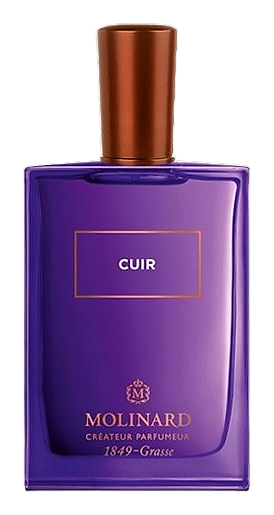
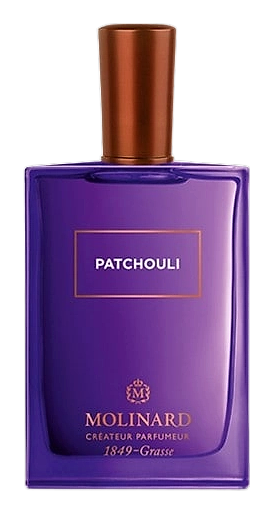
The name says everything. Molinard named this fragrance for its heart, patchouli, and let the note do the talking. Released in 2015 as part of the Matières collection, a series built around single dominant ingredients, the house was making a statement about restraint and depth. Where other houses might have built a fortress around their patchouli, Molinard stripped it back. Three bright top notes, geranium, orange, neroli, circle above the patchouli like attendants, lifting it, opening it up. The base is warm and close: sandalwood, vanilla, musk. The result is a patchouli that breathes. Not a relic of the seventies, not a statement piece. Something more considered, the note made luminous.
What makes this composition interesting is its restraint. Patchouli as a heart note means the fragrance never becomes about the drydown alone, it starts there and returns there, but the journey matters. The bright citrus-floral opening isn't a contrast to patchouli; it's a frame. It gives the earthy depth somewhere to land, something to push against. The vanilla and sandalwood in the base don't overpower the patchouli, they domesticate it, wrapping the earth in something soft and warm. It's a patchouli for people who want the depth without the weight. Clean in the way a well-made perfume can be clean, not simple, but clear.
The evolution
The opening lands fresh. Geranium's green edge lifts against orange and neroli, creating a citrus-floral brightness that reads clean and botanical. For the first thirty minutes, the patchouli waits. Then it arrives, not dramatically, but with weight. Earthy, dry, with a slight bitterness that settles as the vanilla underneath begins to soften it. The shift from bright to grounded happens over the first hour. By the second hour, the base notes have fully arrived. Sandalwood's cream, vanilla's warmth, musk's intimacy, they wrap around the patchouli and hold it close. The drydown is where this fragrance lives. It stays there for hours. On skin, it projects moderately, noticeable at close range, intimate in a way that invites rather than demands. On fabric, it lingers into the next day: warm, soft, the patchouli finally quiet.
Cultural impact
Patchouli's place in perfumery is well-established, it never really left after the seventies, but it found new respectability in the 2010s niche wave. Molinard's take fits into that broader movement: taking an ingredient associated with excess and reframing it for a more considered wearer. The fragrance has earned consistent marks for longevity and value, with the drydown being the most praised phase. The clean, refined character appeals to those who want patchouli's depth without its reputation.