
The Story
Why it exists.
The beginning
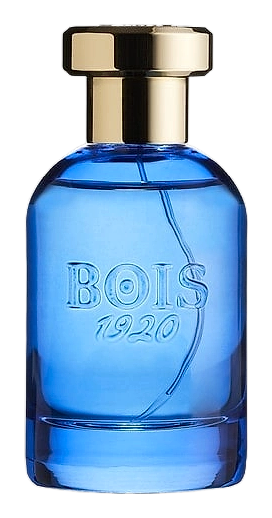
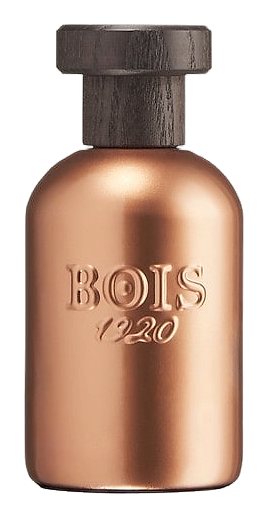
The name is the concept. Astratto, abstract, removed from the literal. A fragrance that refuses to be about one thing, so it becomes about everything at once. The "Limited Art Collection" designation meant something specific: 1920 bottles produced, each one a small argument that restraint and substance matter more than spectacle. Astratto was made to test that argument.
Davana is the tell. The fruit-pineapple-cream triangle could have gone sweet and obvious. Davana said no. That herb, with its wine-like, almost camphoraceous edge, arrives at the opening and refuses to let the composition coast. The florals that follow, rose, jasmine, lavender over gaiac wood, build quietly, powdery and softened, but the davana left its mark. The base finally settles into caramel and vanilla warmth, but now you've been warned: sweet doesn't mean simple.
The evolution
The opening doesn't announce itself, it sneaks in sideways. Milky pineapple, tropical and soft, then davana cuts through like a knife through cream. That herbal bite catches you off guard, then keeps catching you as the florals arrive. Rose and jasmine settle powder-soft over gaiac wood, the transition is gradual, moving from bright to deep with quiet confidence. The drydown builds warm: caramel and vanilla take their time, amber and benzoin adding resinous depth without smoke. White musk keeps it close. The lactonic sweetness lingers long after the davana has faded, intimate and persistent, a soft presence that settles into the skin as the hours pass.
Cultural impact
Limited to 1920 bottles, a collector's piece from a house that has never chased volume. The reception among fragrance enthusiasts has been warm, with particular interest in the davana note and its unexpected contrast against the creamy opening. This scarcity has fueled its status as a sought-after artifact among those who prize eccentricity over mainstream appeal.