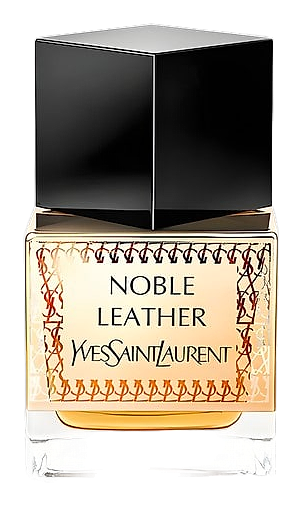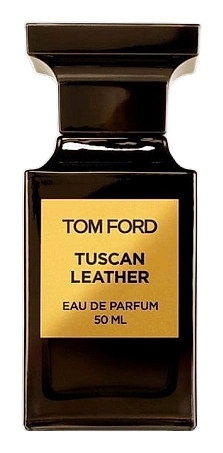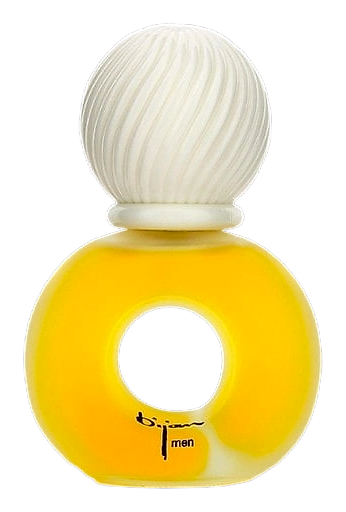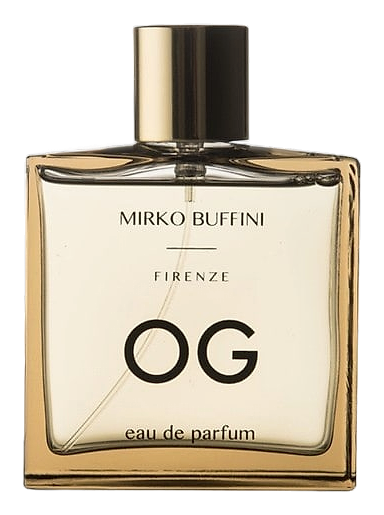
The Story
Why it exists.
The beginning
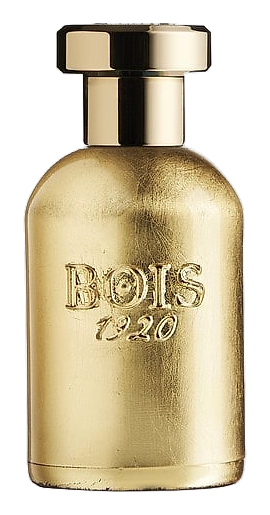
Oro 1920 was created in 2013 by Enzo Galardi at the Florence workshop. The name carries the weight of that century, gold, the precious material, the year itself. What emerged was a leather that doesn't apologize for being leather, fruit that doesn't apologize for being sweet, and a smoke that refuses to behave.
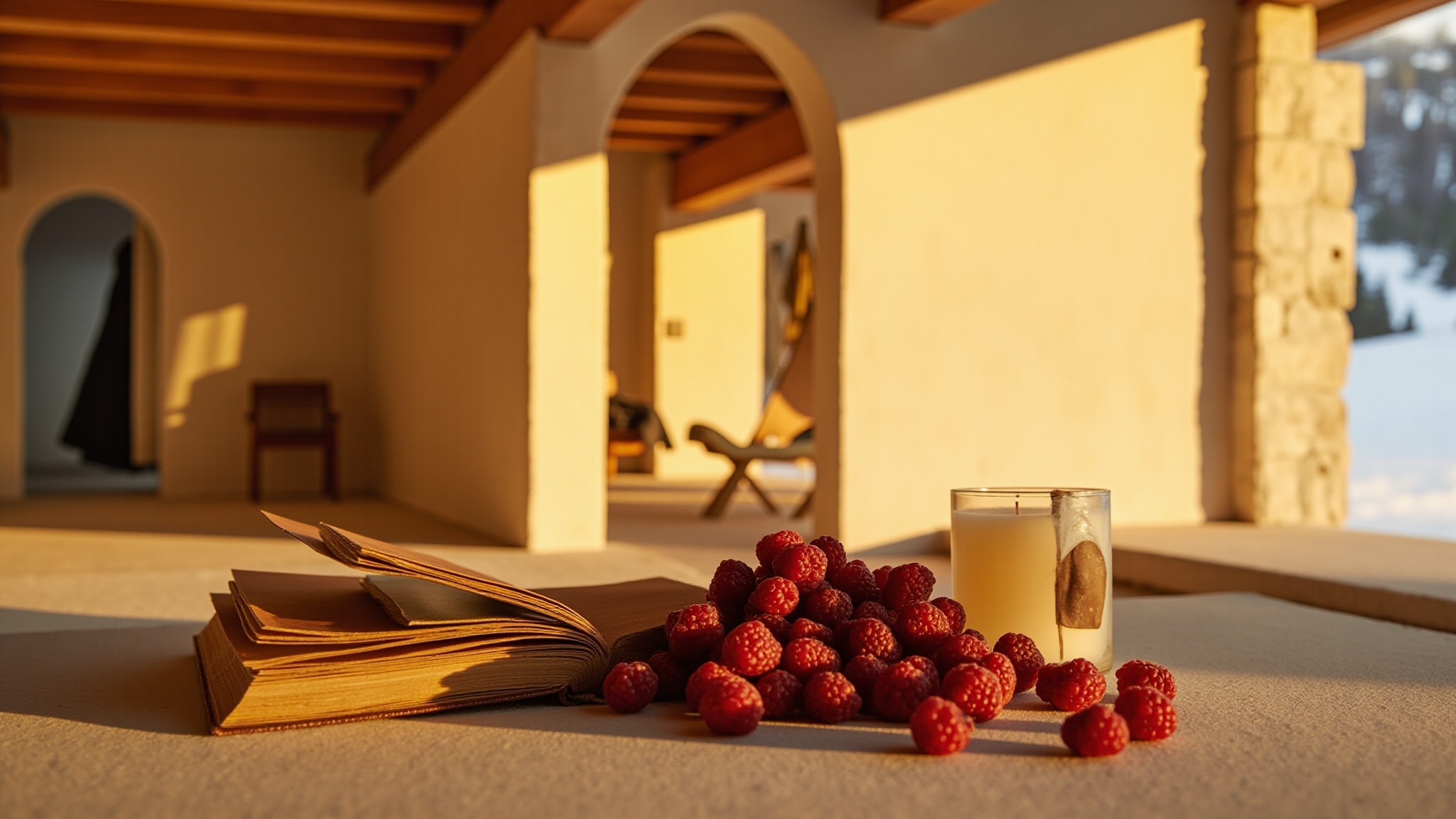
The composition works because it refuses the expected path. Rather than smoke over leather, the obvious route, it opens with raspberry, bright and almost fragile, before letting fir and incense arrive to ground the sweetness into something denser. The heart offers iris and rose absolute, adding a powdery elegance that the guaiac wood anchors with its woody, slightly smoky warmth. The choice of May rose over standard rose is telling, it carries more depth, more natural extract, more of the actual material rather than a sanitized version.
The evolution
The opening announces itself quickly, raspberry bright against fir and incense smoke, a clear signal that this isn't a polite fragrance. Within twenty minutes the heart takes over: iris and rose absolute arrive with a powdery softness that could feel delicate, except guaiac wood keeps its footing. The transition isn't gentle, the fruit sweetness doesn't fade so much as deepen, integrating with the wood and smoke into something warmer. By the second hour the base arrives and doesn't leave. Leather and tobacco settle close to the skin, beeswax adds honeyed warmth, benzoin brings resinous depth. This is where most fragrances start to fade. Oro 1920 doesn't. The drydown holds for eight to ten hours on most skin, projecting strongly for the first two to three hours before settling into intimate territory.
Cultural impact
Oro 1920 occupies a specific corner of the leather-smoky category. The fruit-smoke contrast is what sets it apart from the category leaders.